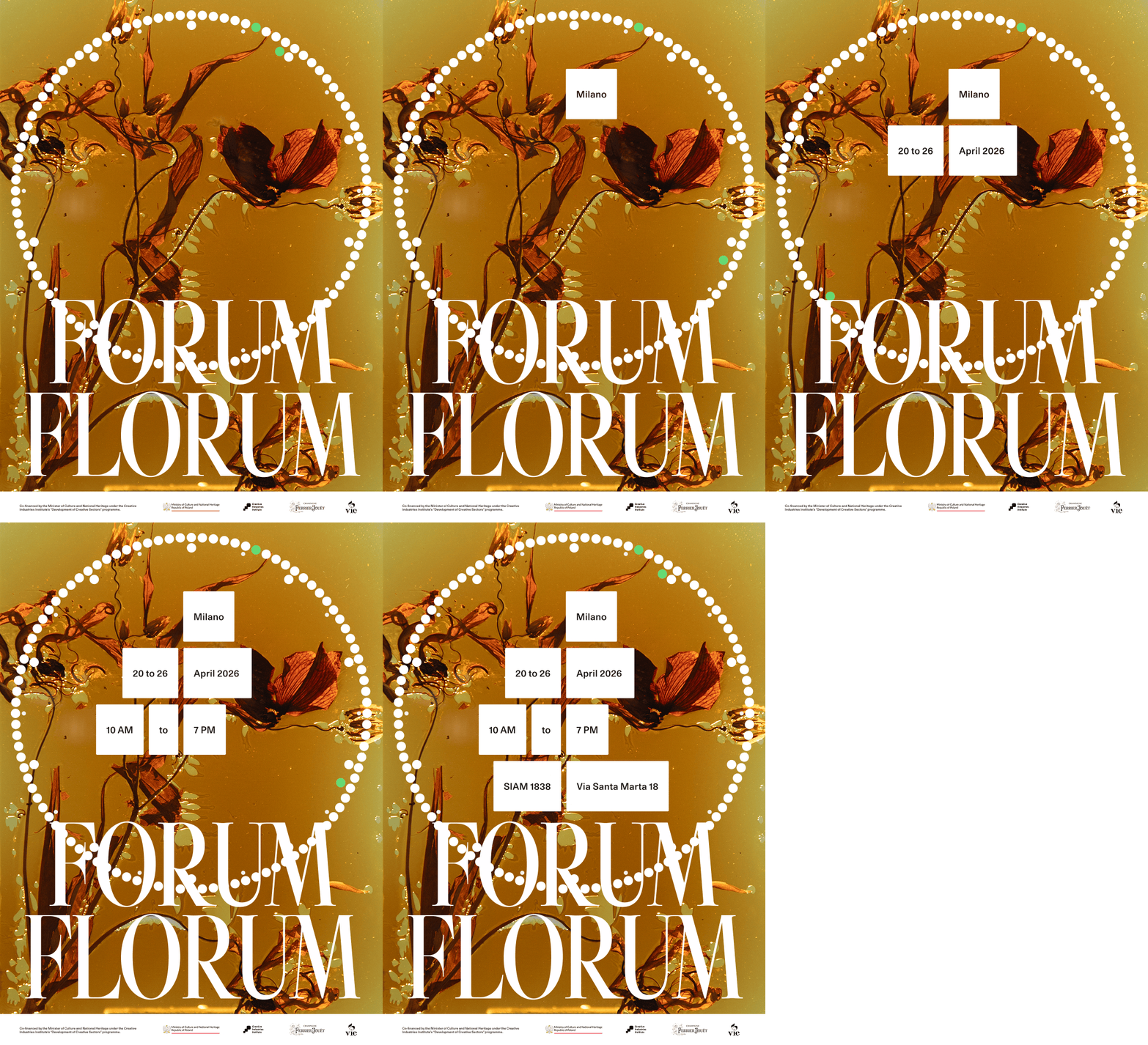
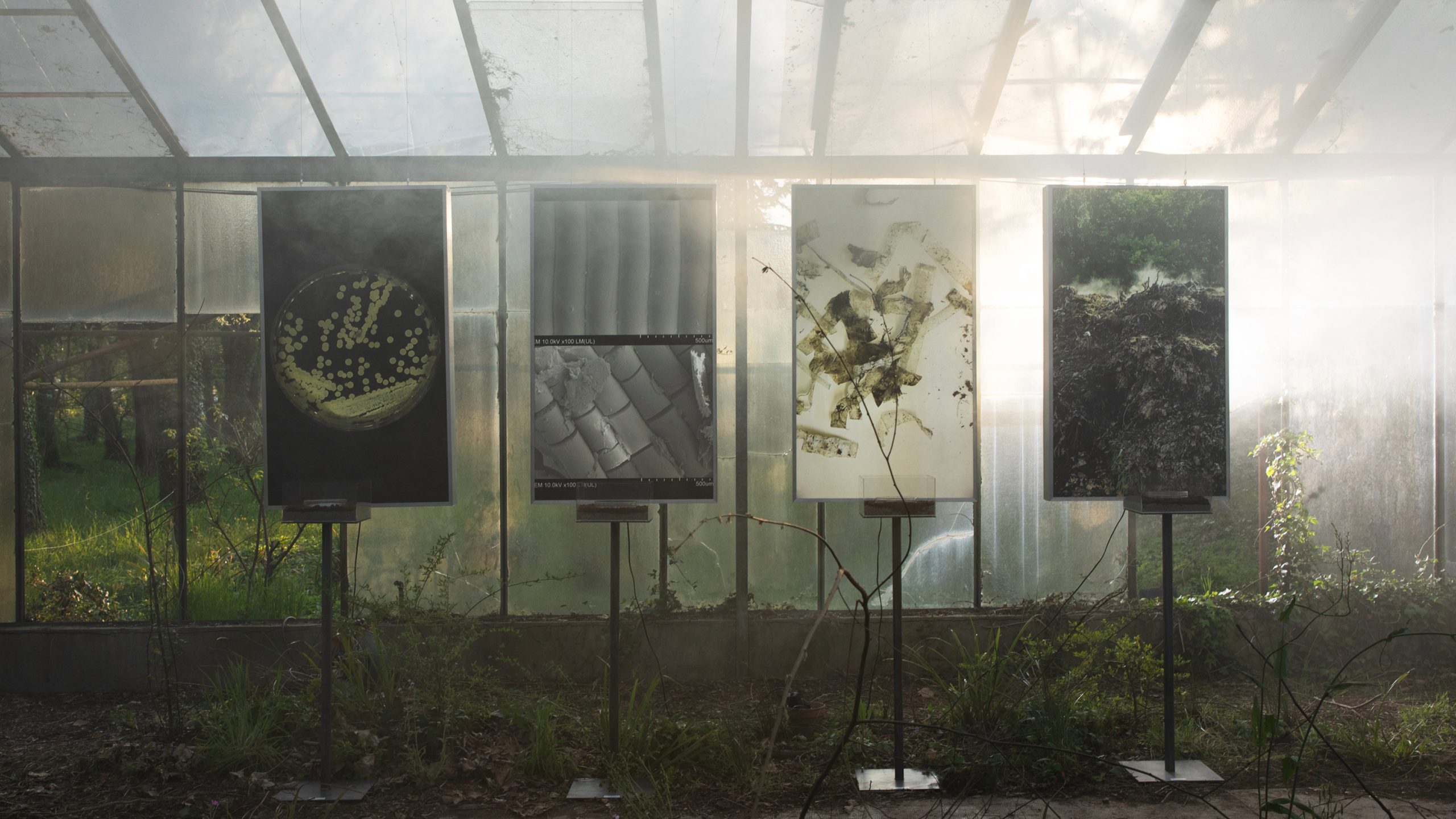
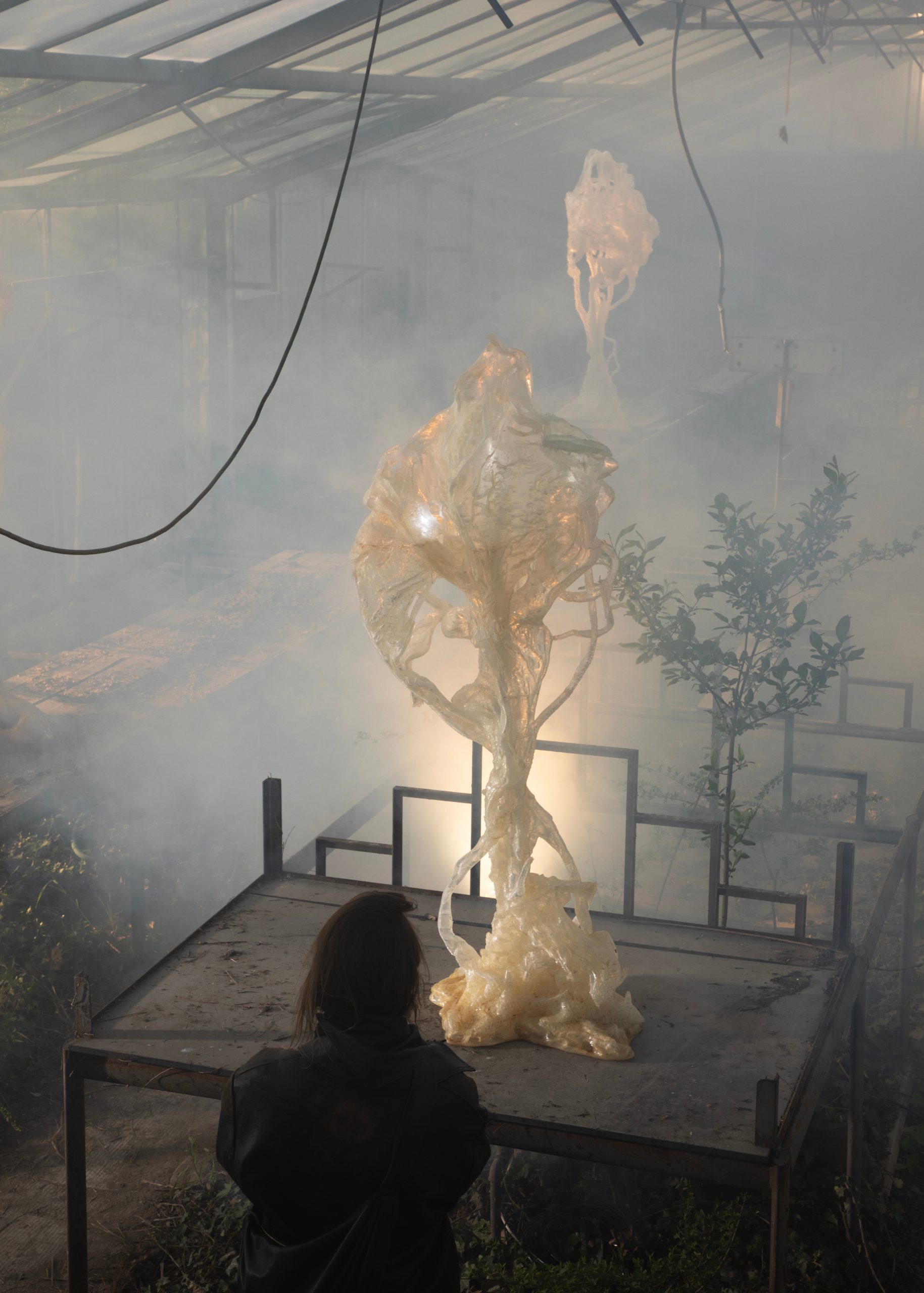
Forum Florum

Herbarium Of The Present

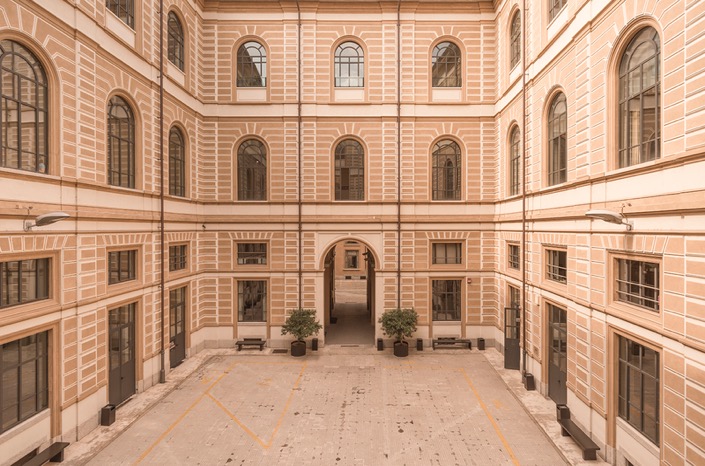
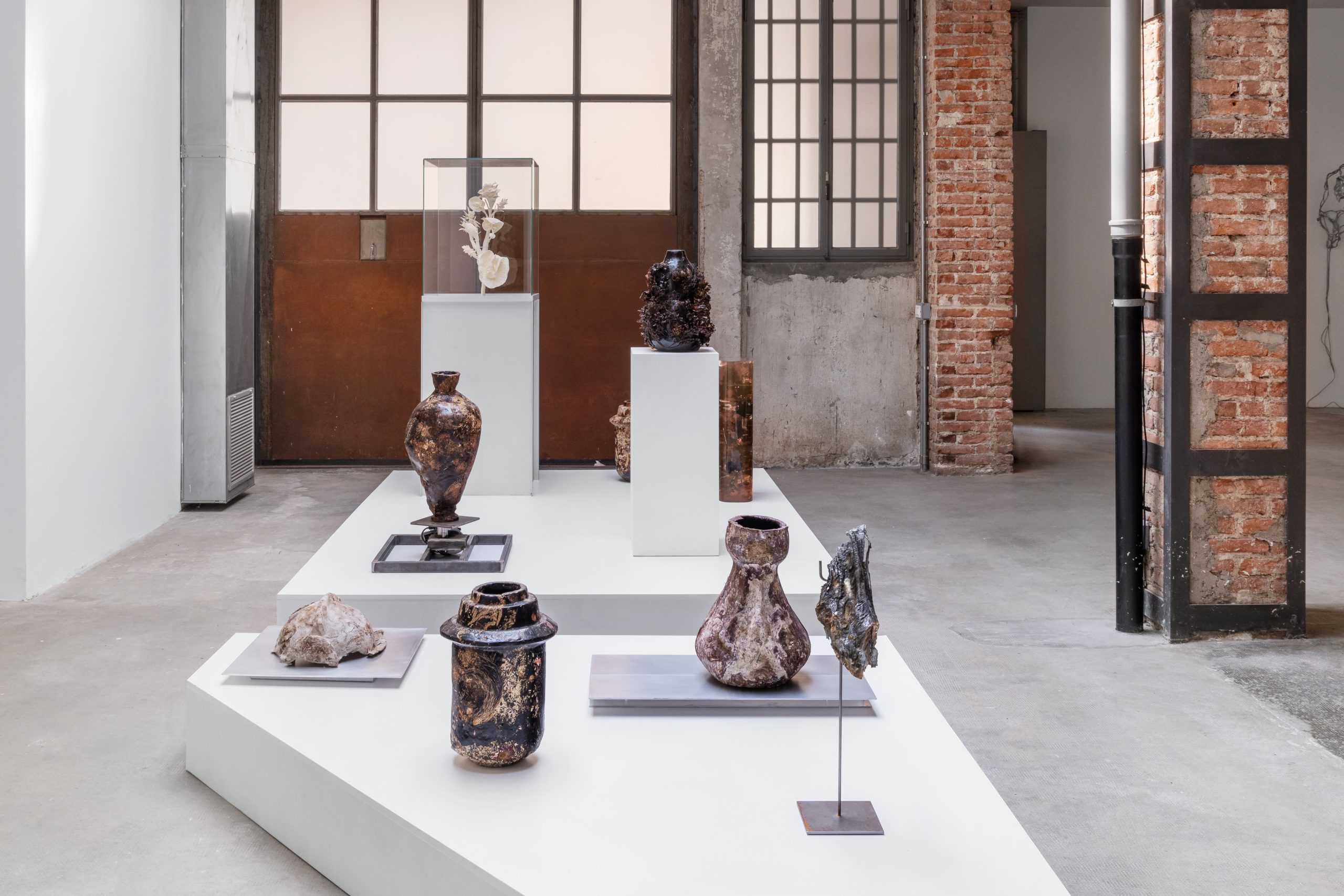
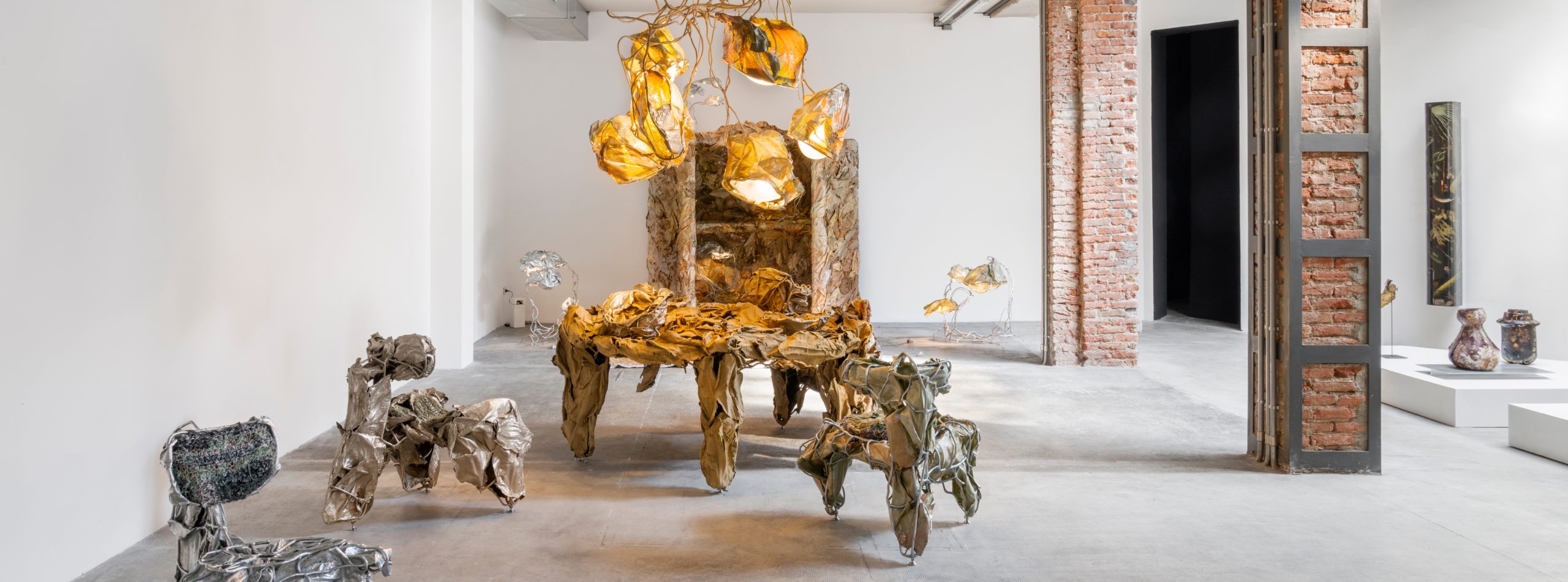
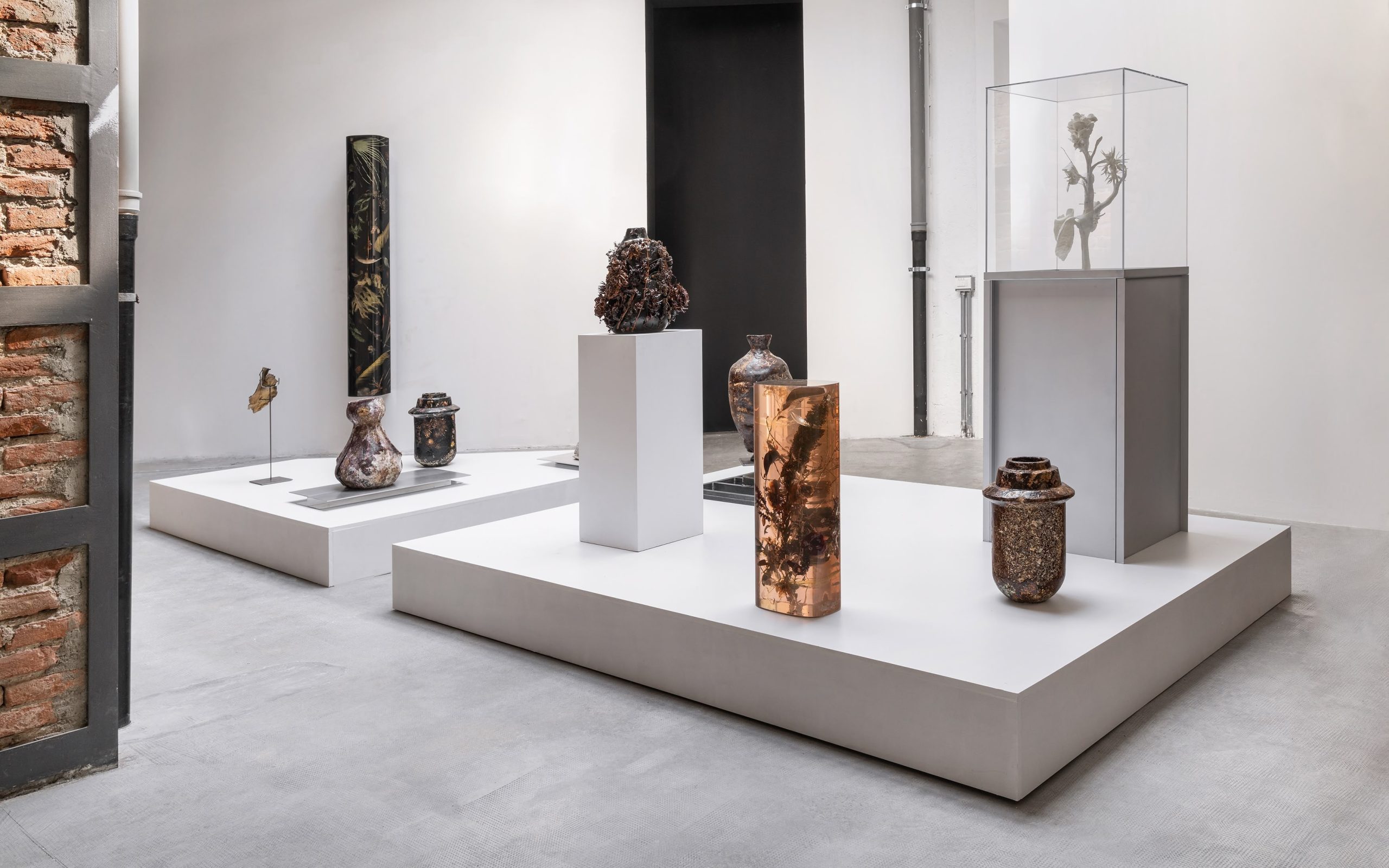
The exhibition takes place at SIAM (Società d’Incoraggiamento d’Arti e Mestieri), a historic educational institution in the centre of Milan.

Forum Florum—Latin for “flower market”—is conceived as a site of exchange. It examines the flower not only as ornament, but as a product shaped by systems of cultivation, circulation, and control.

At its centre, Flower Journey traces the history of the cut flower—from early cultivation and symbolic use to its contemporary condition as a global commodity. Moving across time and geography, the work exposes the processes through which flowers have been standardised, extracted, and circulated, reflecting on how nature is aestheticised, regulated, and consumed.
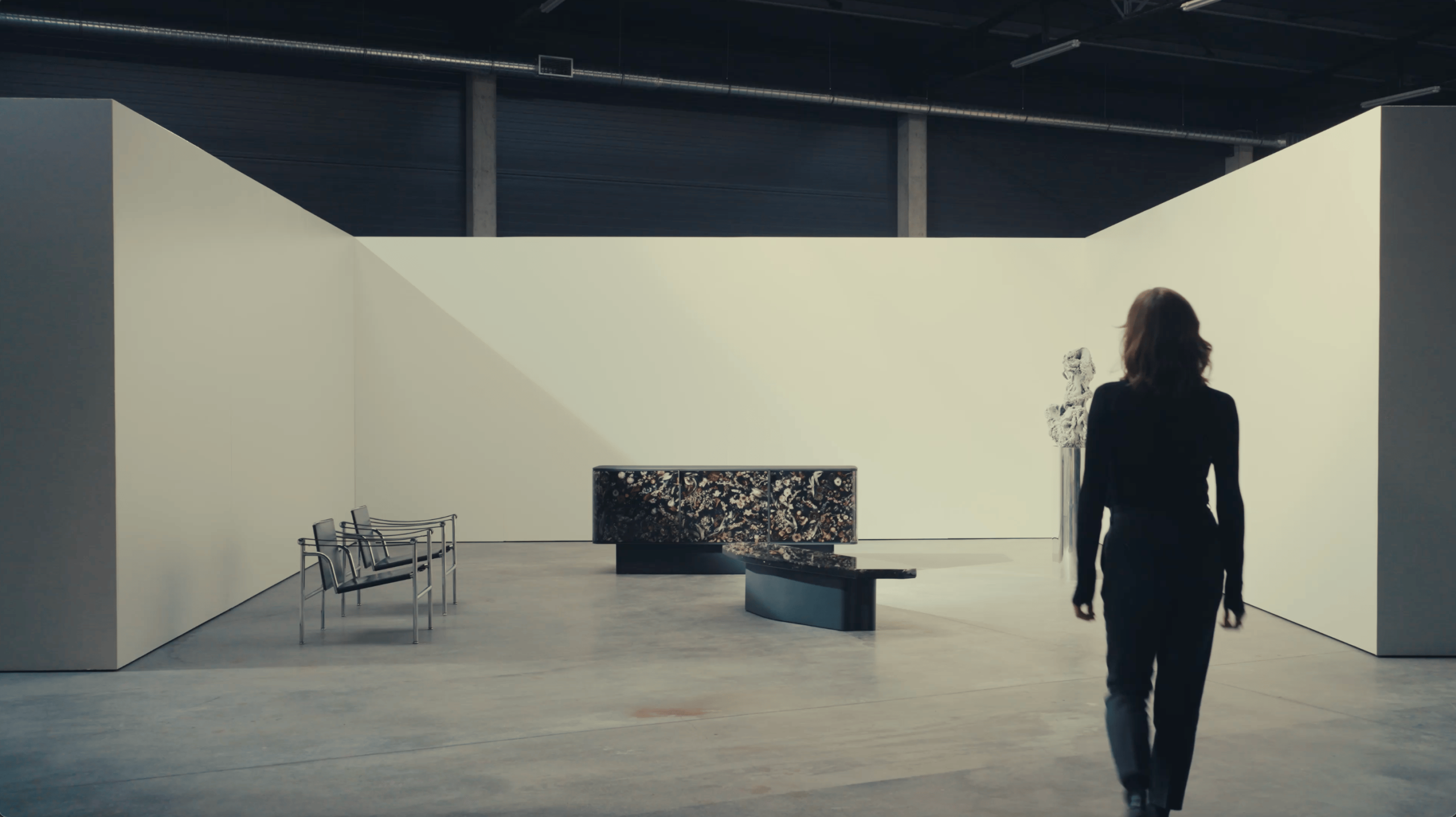
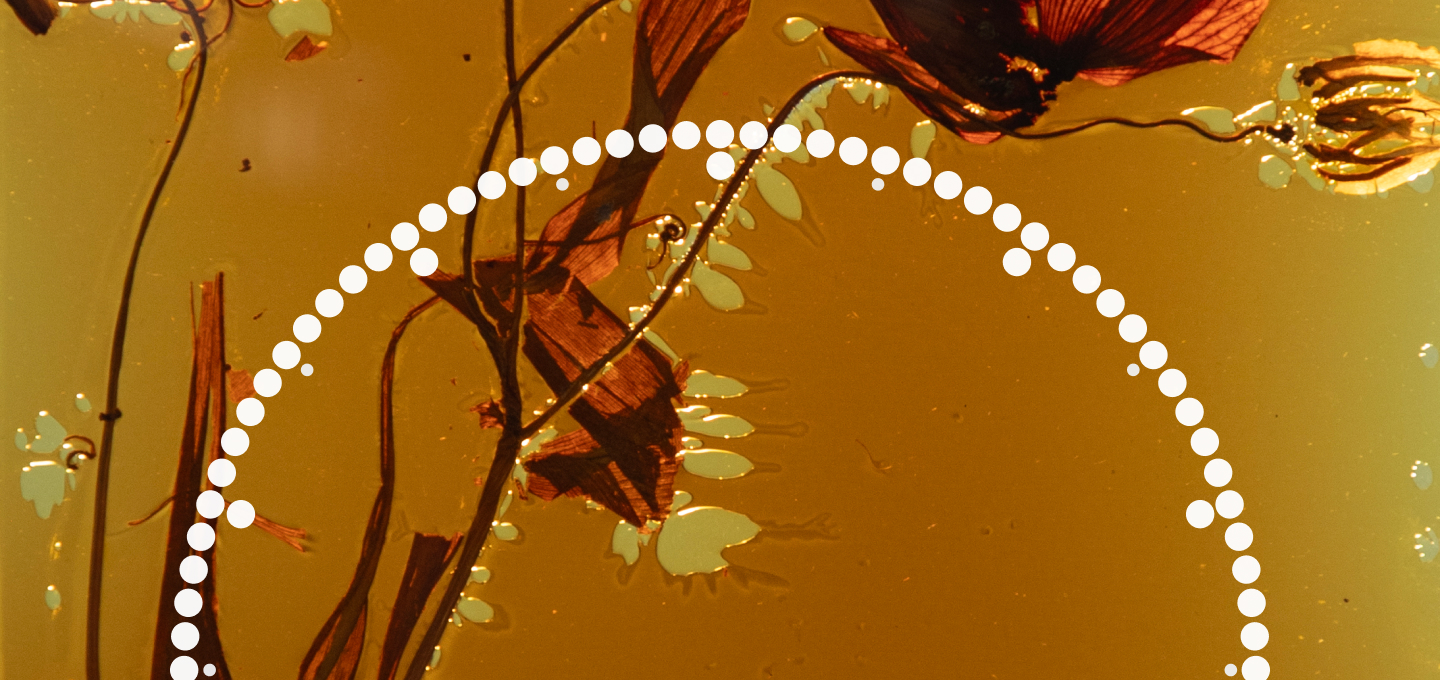
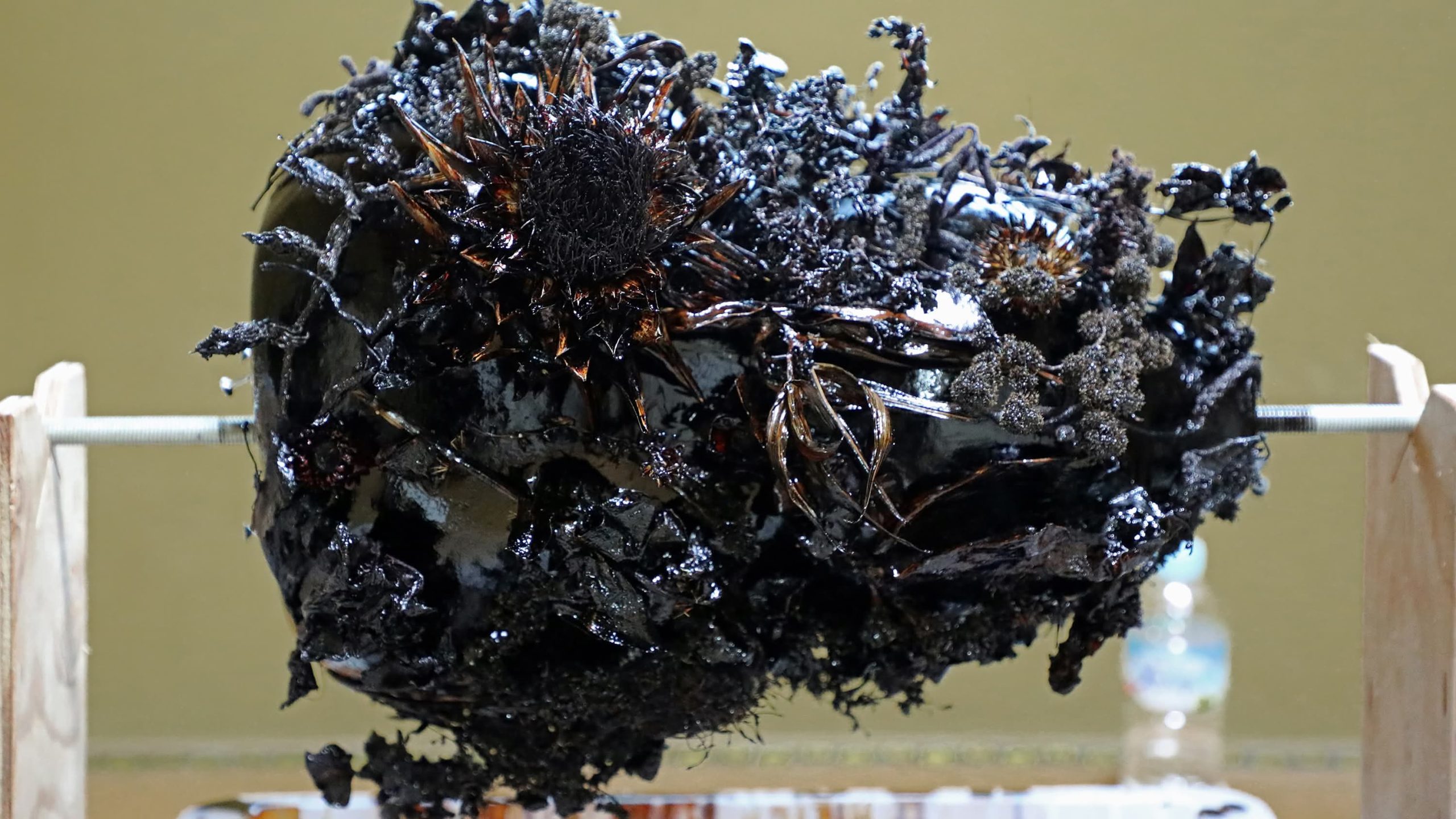
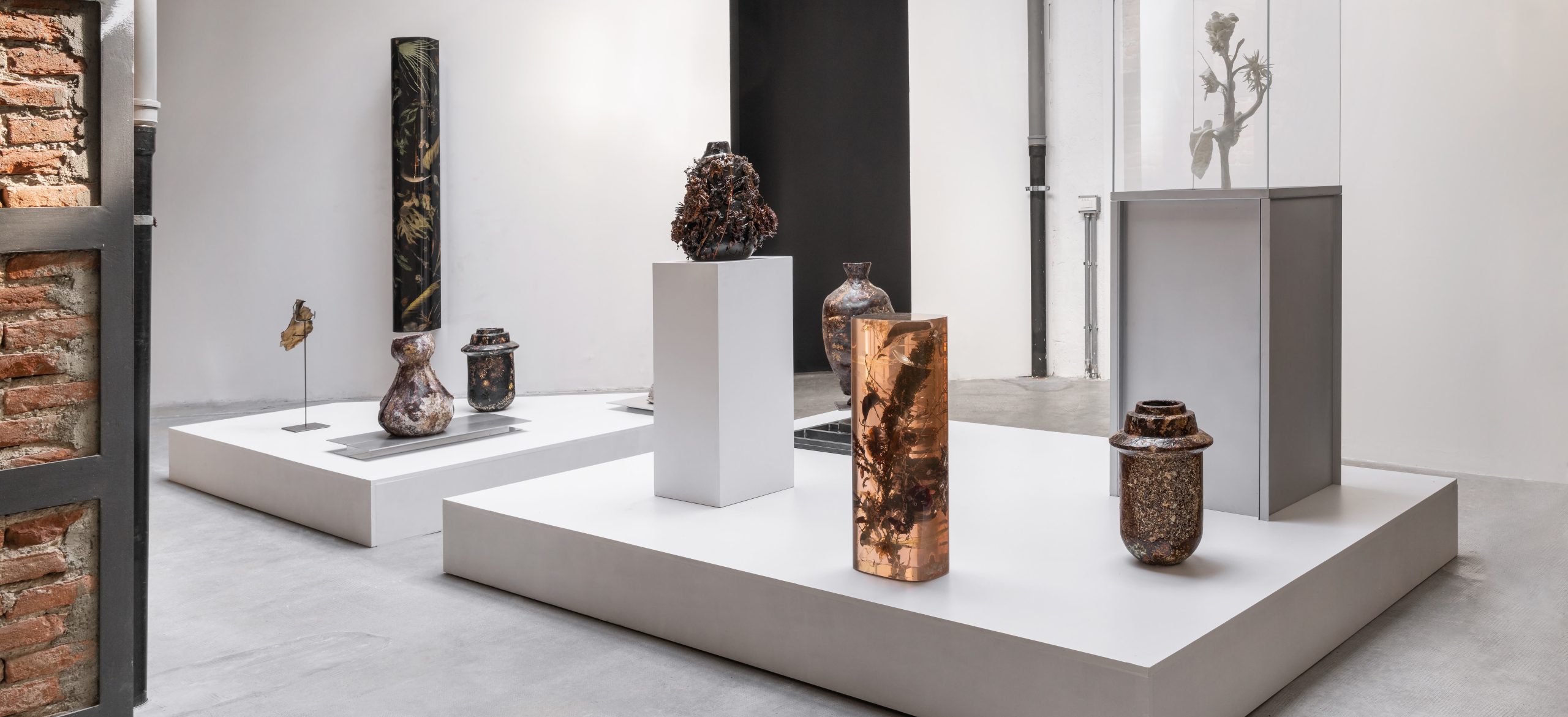
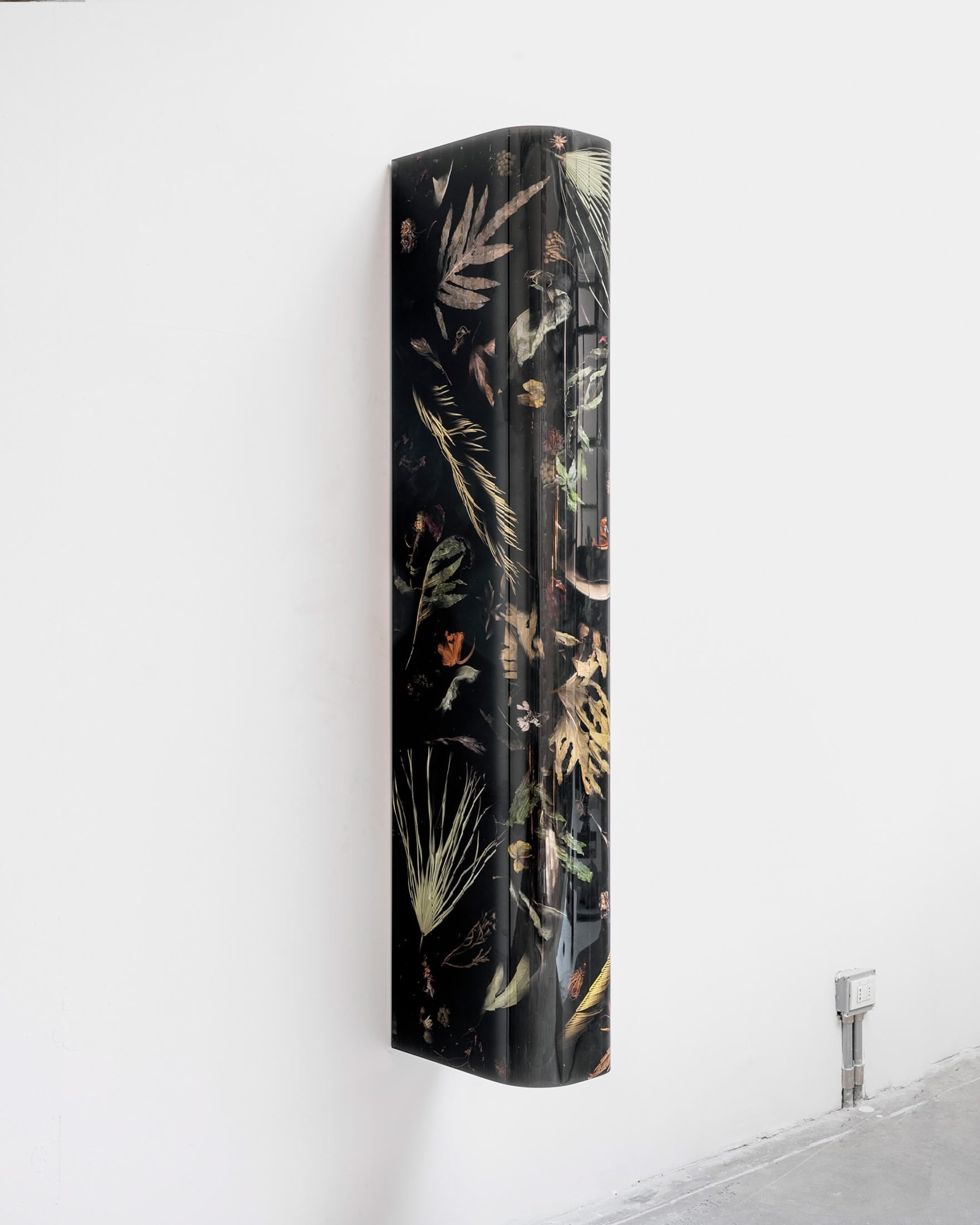
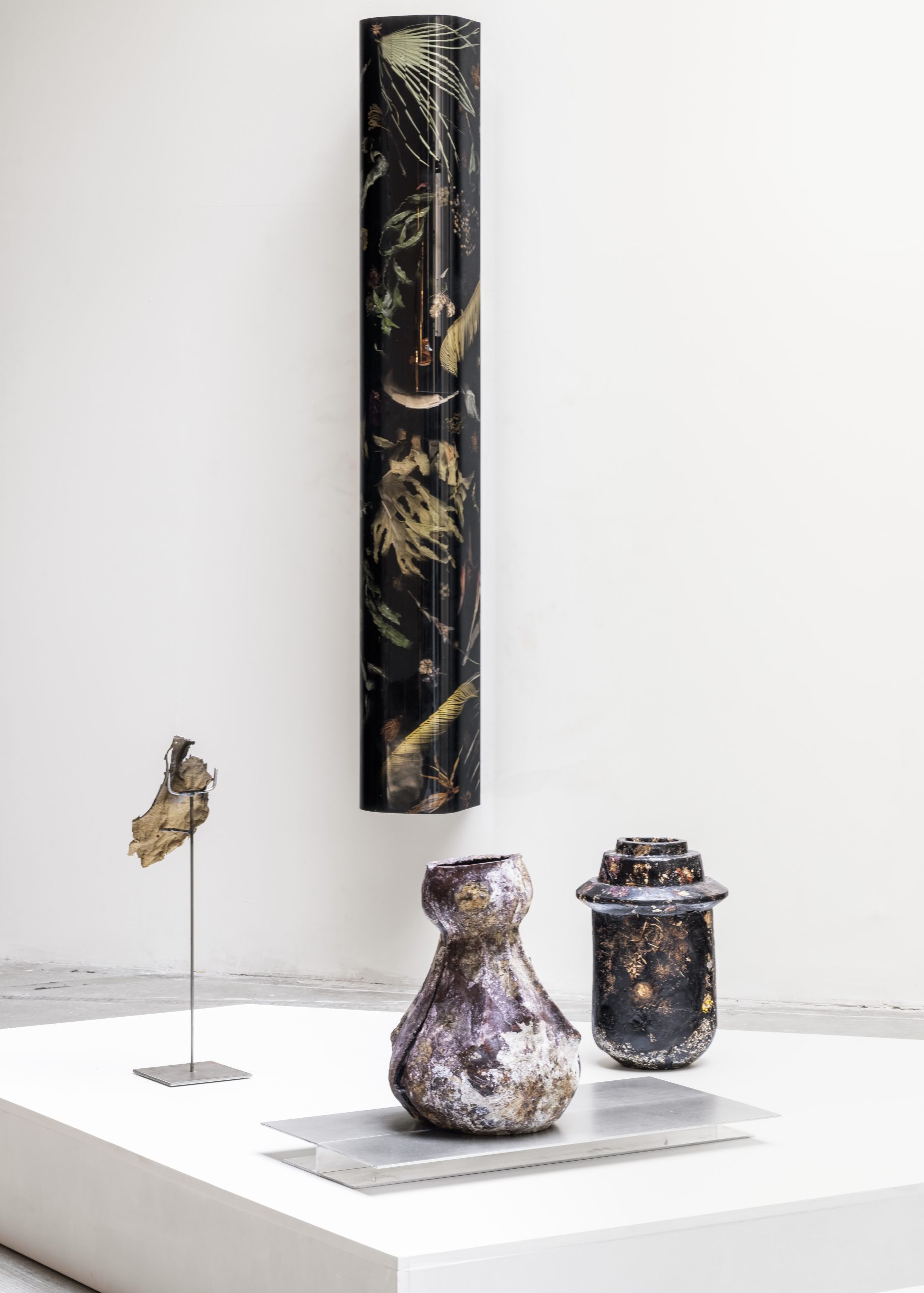
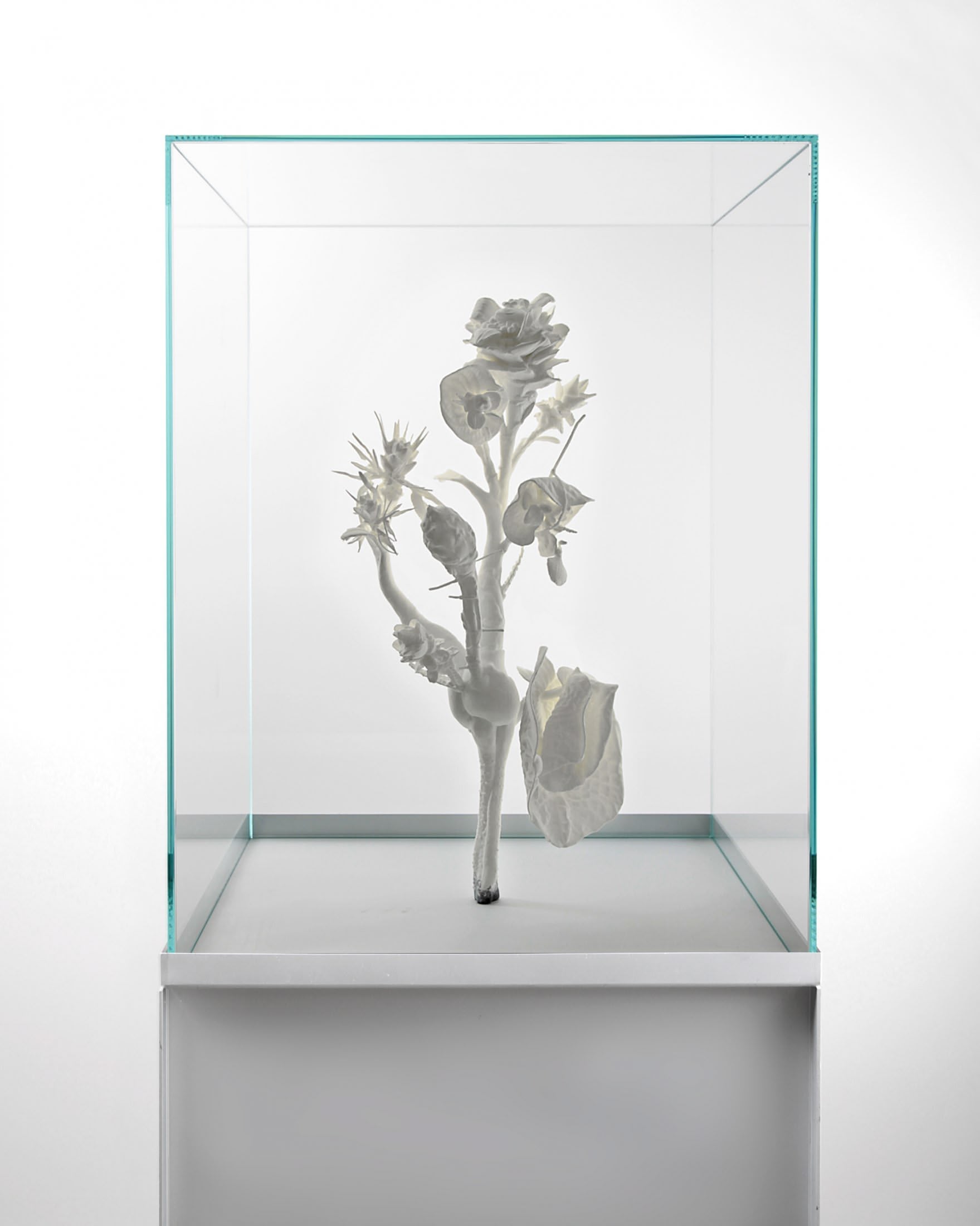
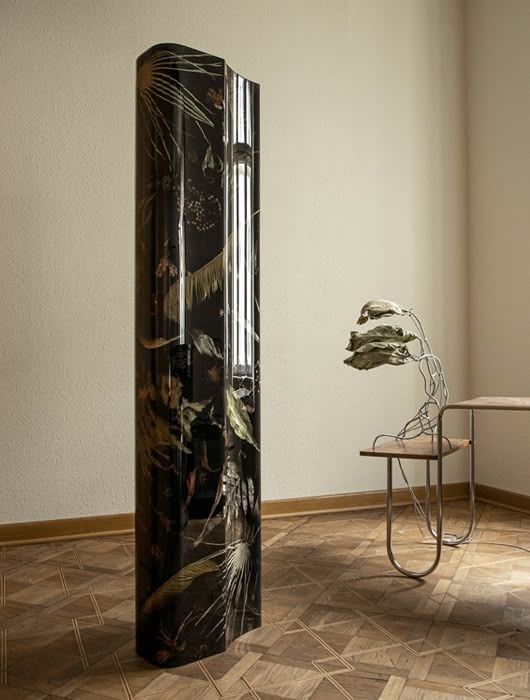
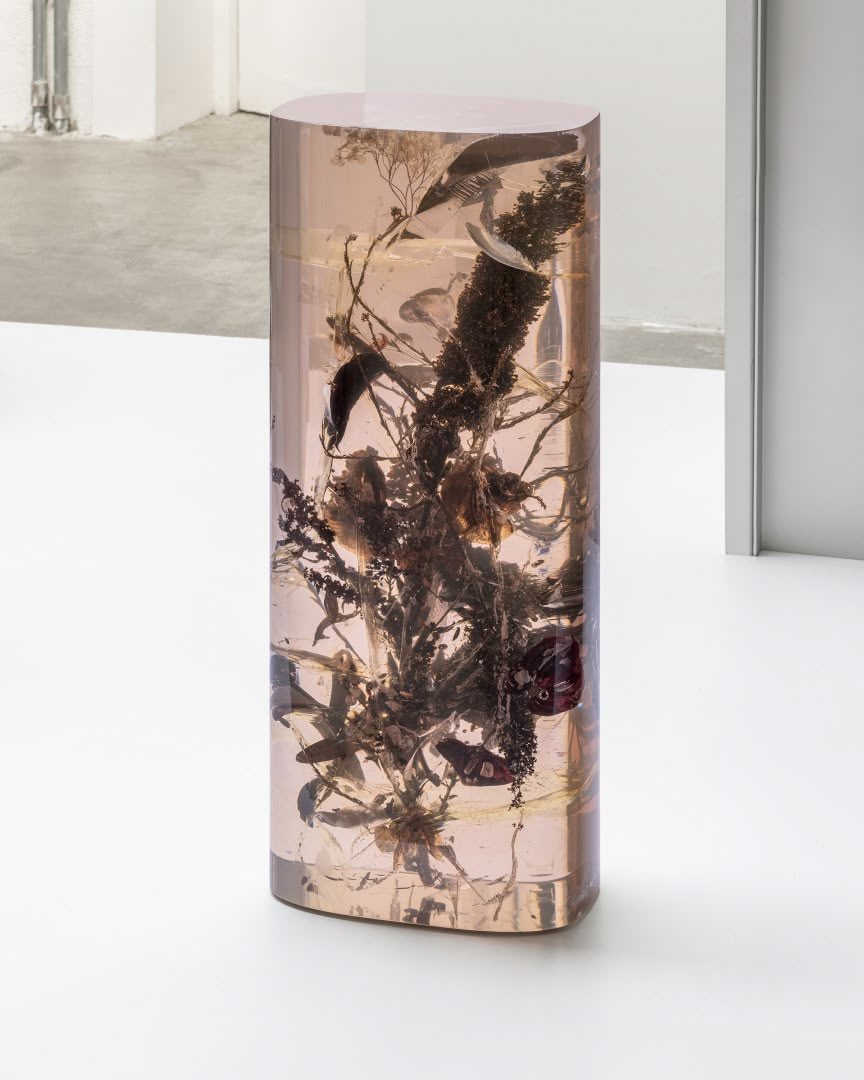
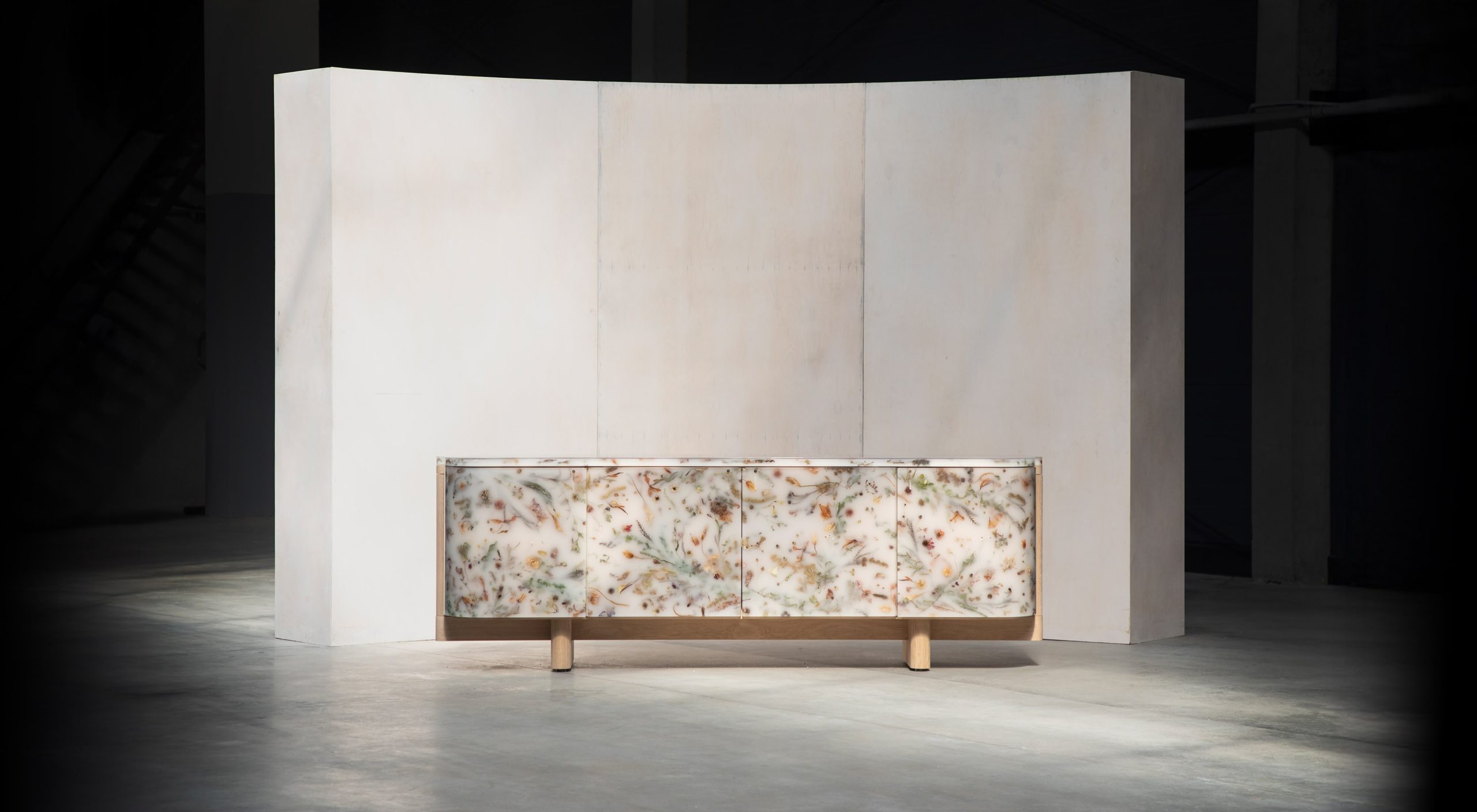
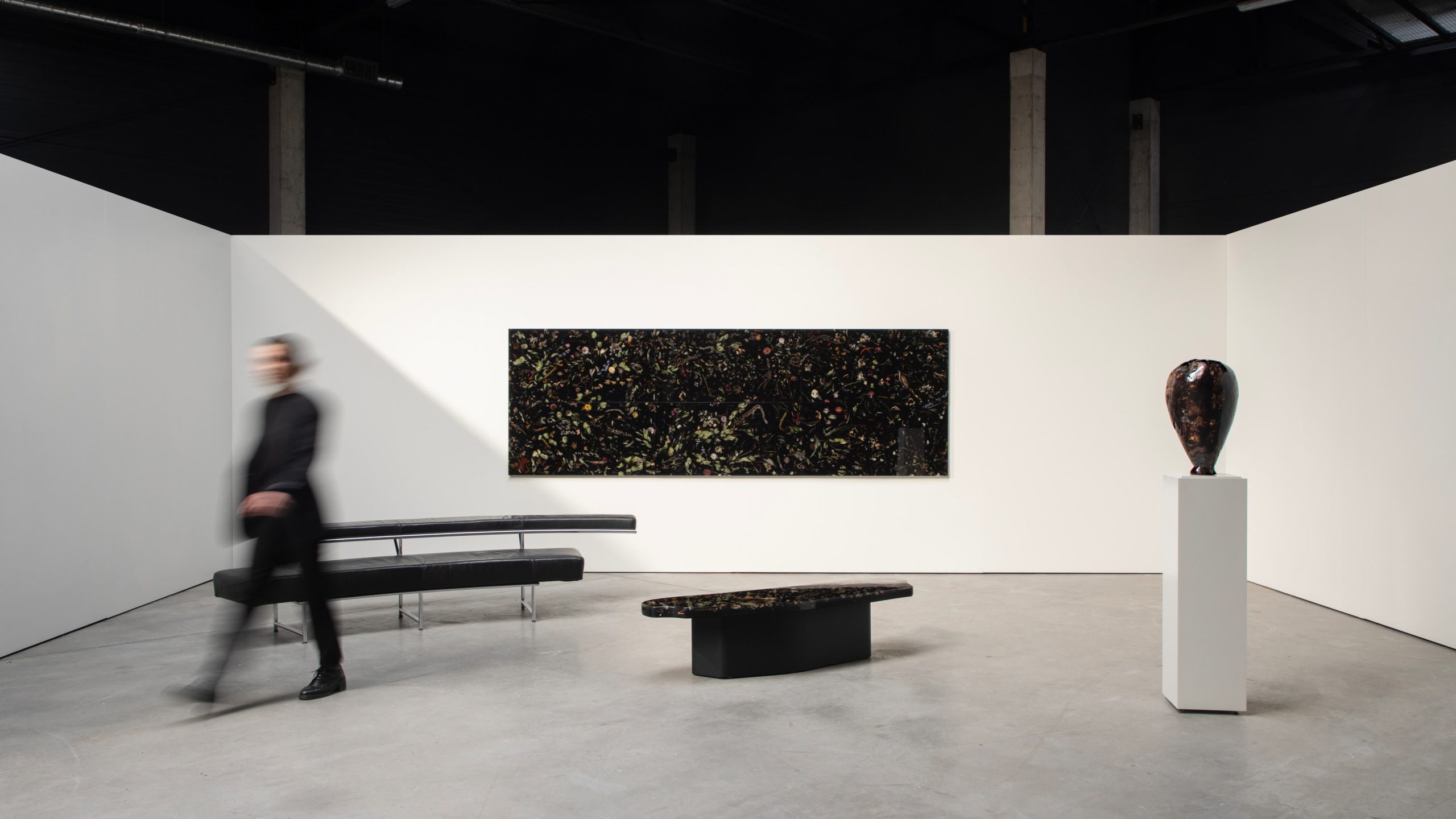
The exhibition introduces a new material direction: flower-infused laminated glass panels that embed plant matter within structural glass. Developed as architectural elements, the works transform botanical material into load-bearing surfaces, suspending organic matter between preservation and fixation.

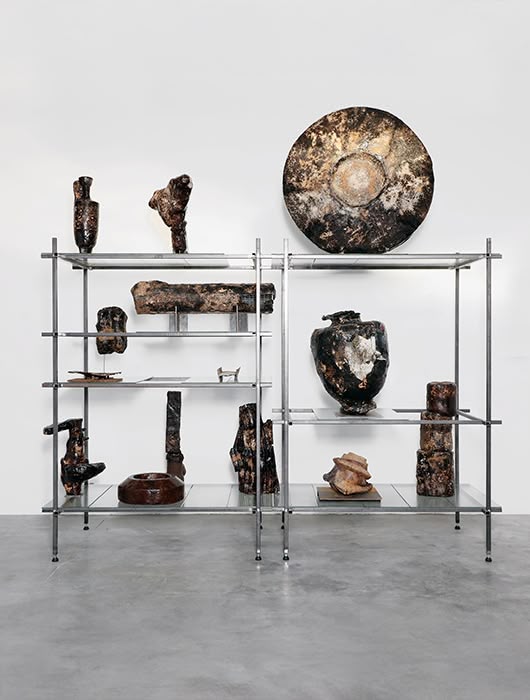
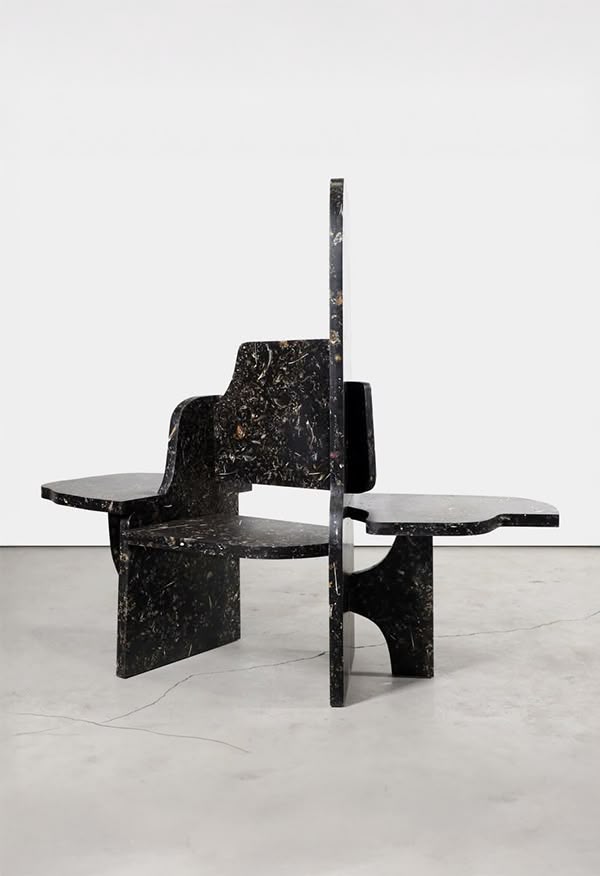
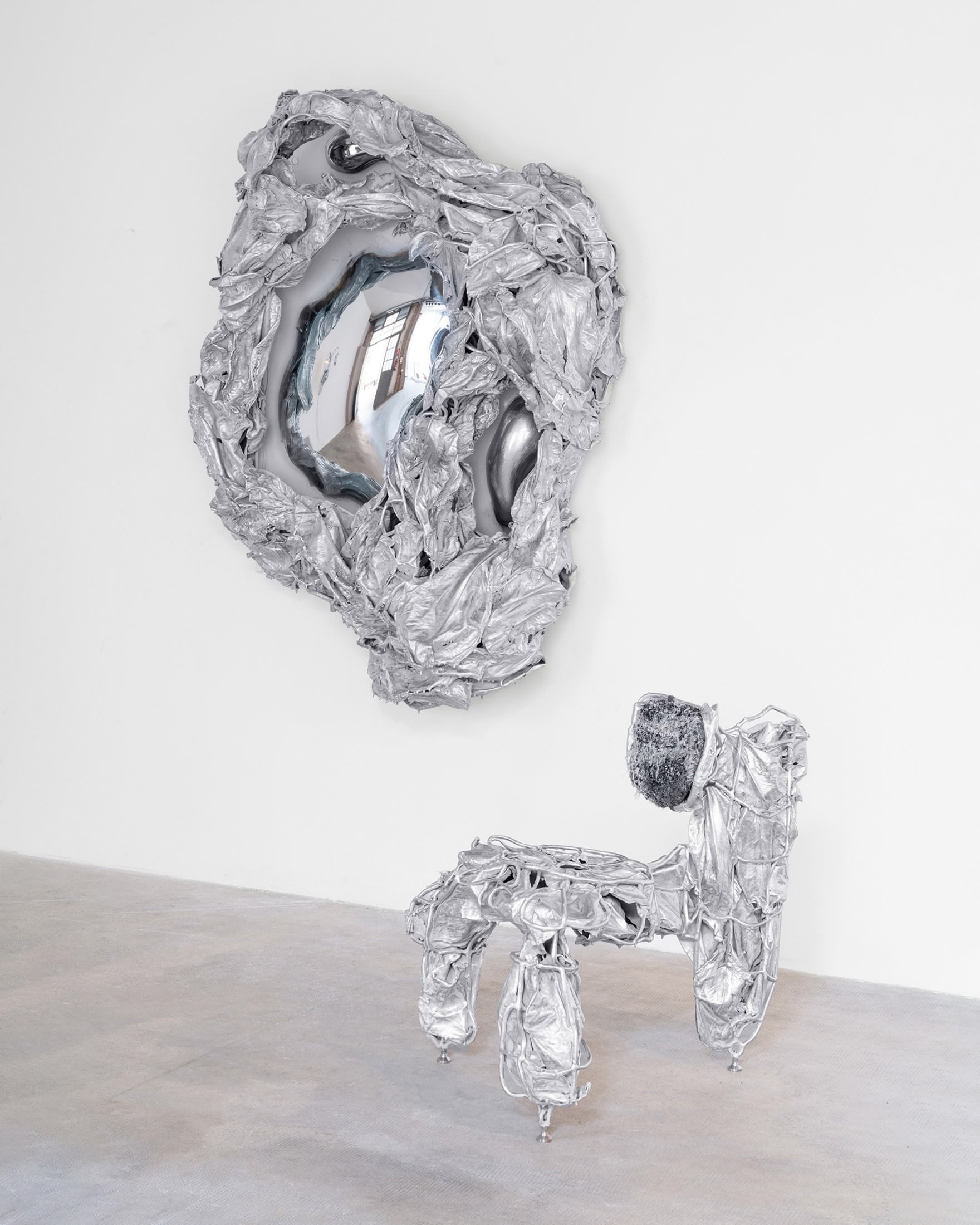
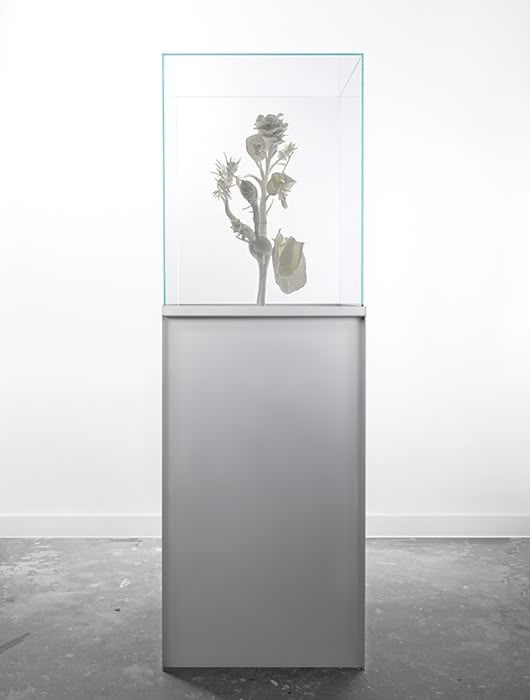
The presentation also includes a new group of statement collectible design pieces, developed in conversation with archival works from the studio’s practice. Works from the Flora series are presented as a distinct body, continuing Rusak’s investigation into the encapsulation of botanical matter, while expanding its formal language and scale.

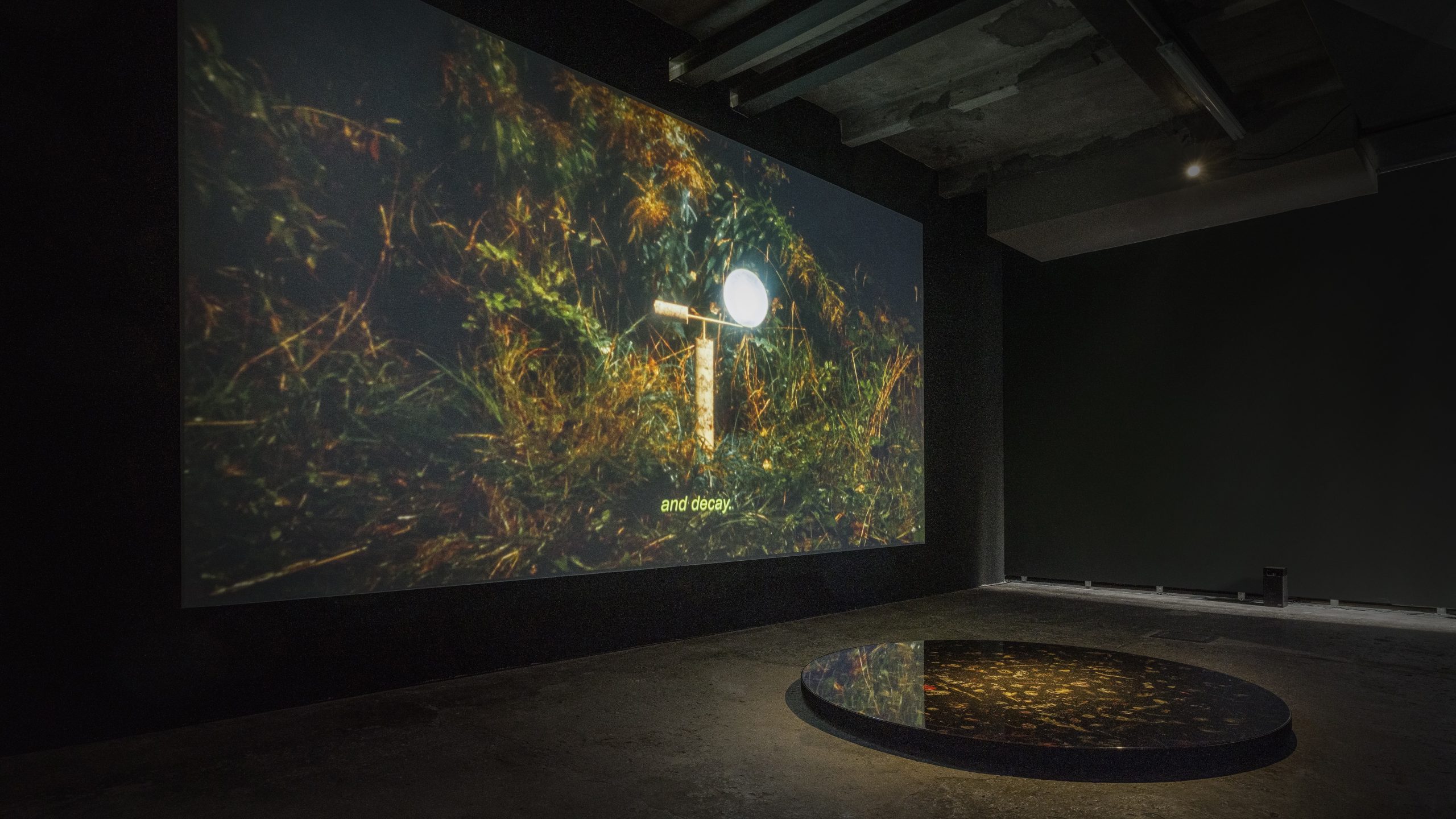
Plant Pulses, developed in collaboration with Perrier-Jouët, translates scientific research on plant bioacoustics into an installation combining animation and sound. The work renders otherwise imperceptible plant signals into visual and sonic form, proposing alternative ways of sensing and interpreting plant life. Across the exhibition, plants emerge as active agents—living archives that register time, transformation, and interdependence.

Co-financed by the Minister of Culture and National Heritage under the Creative Industries Institute’s Development of Creative Sectors programme.
EXHIBITION DATES

20-26 April 2026
10 am – 7 pm

SIAM 1838
Via Santa Marta 18
Milan


Press enquiries

Veronica H. Speck

VHS Ventures
vhs@veronicahelenspeck.com

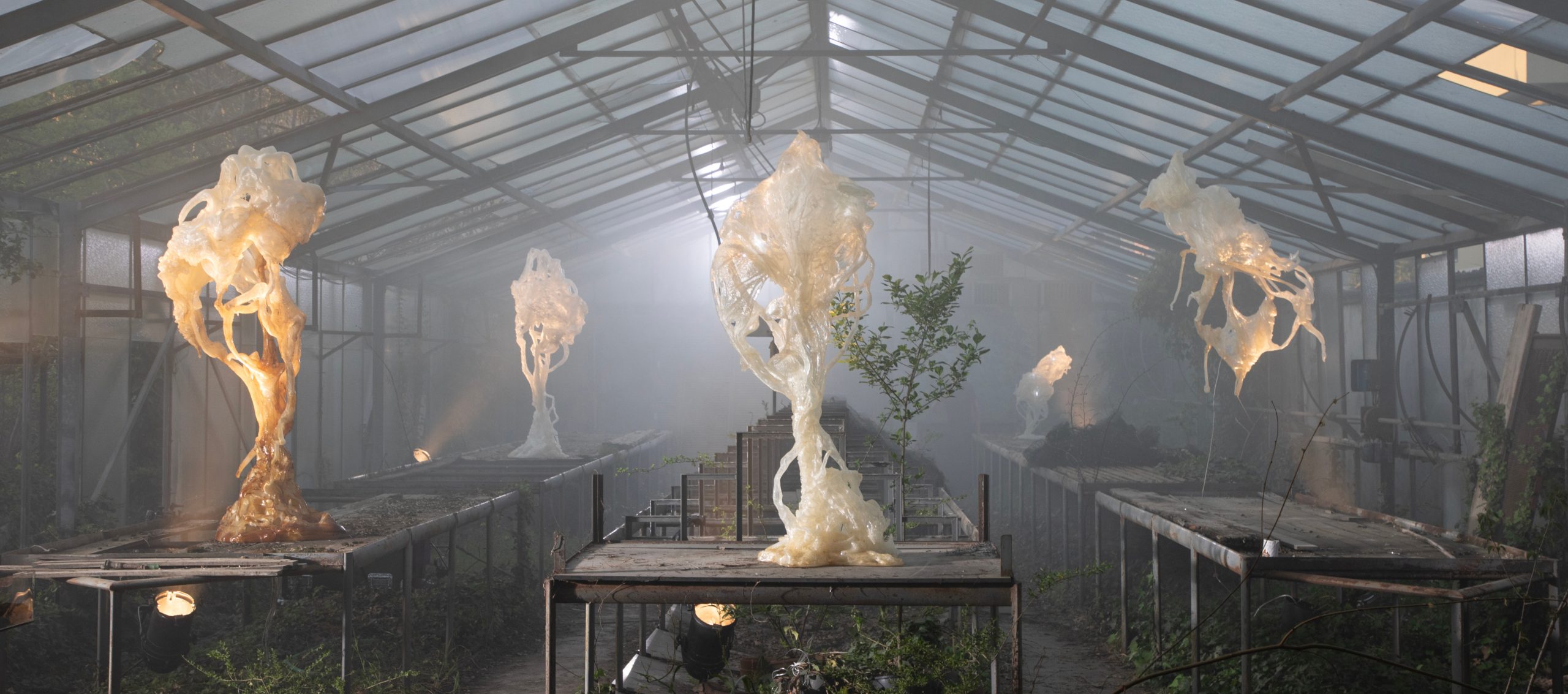
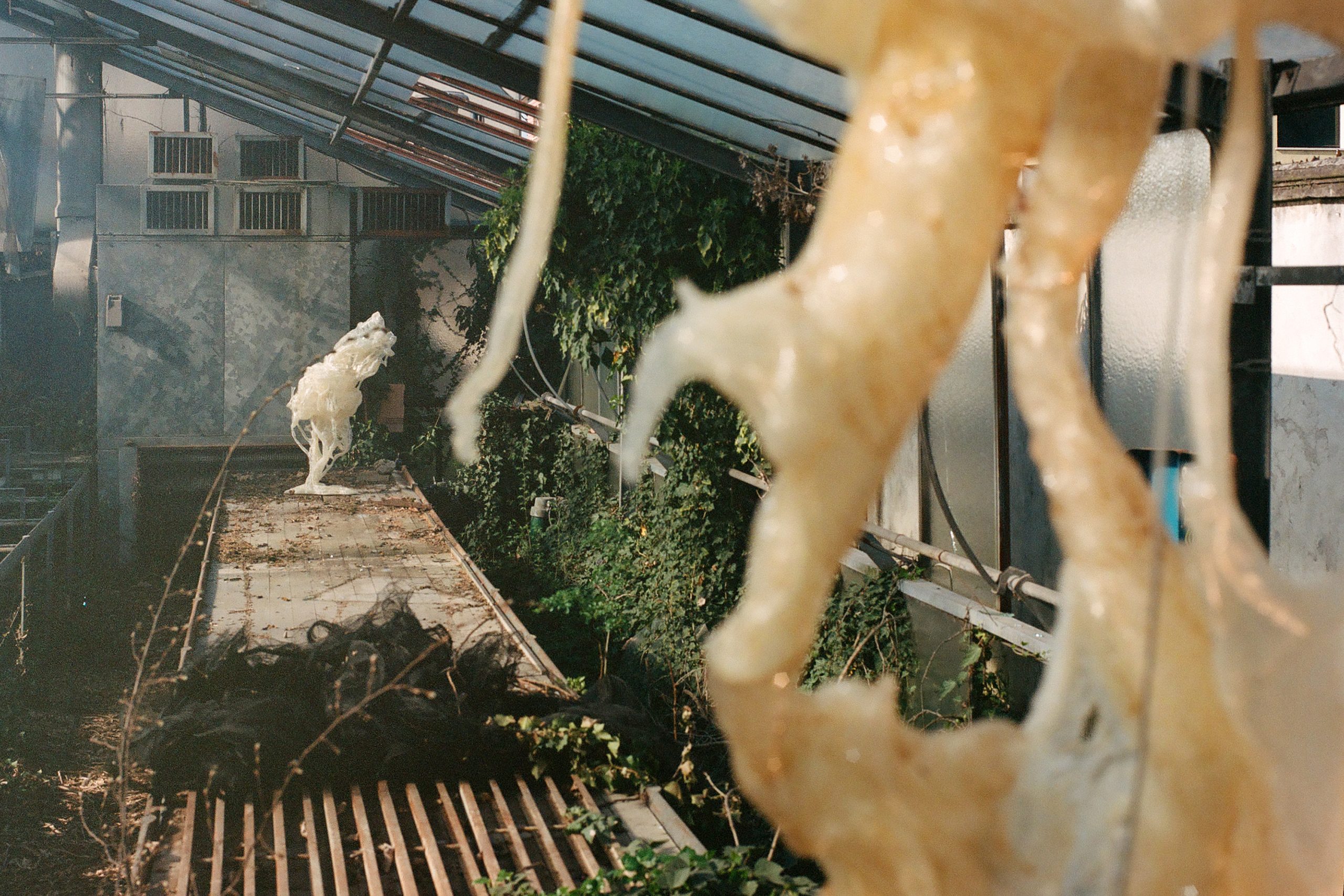
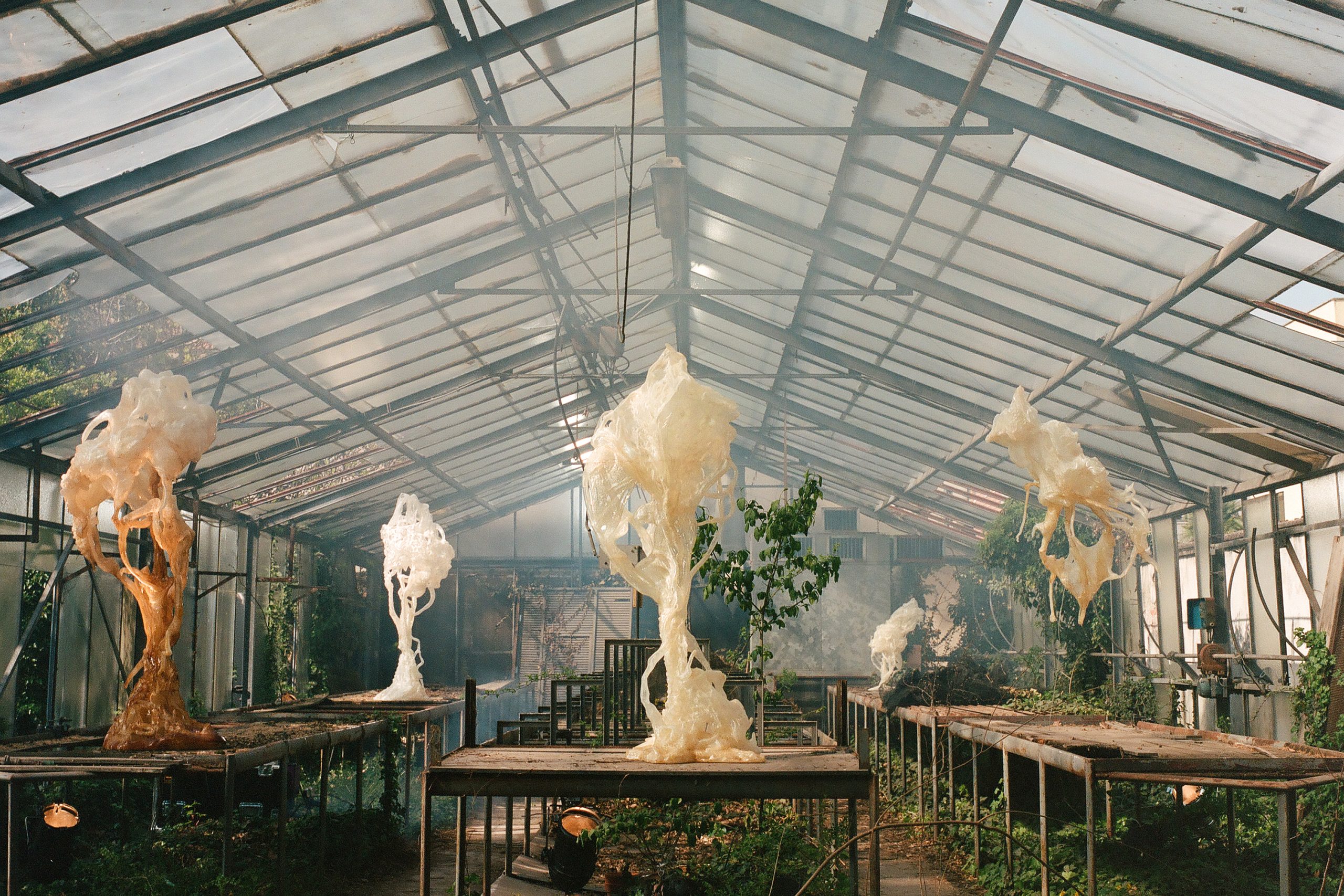
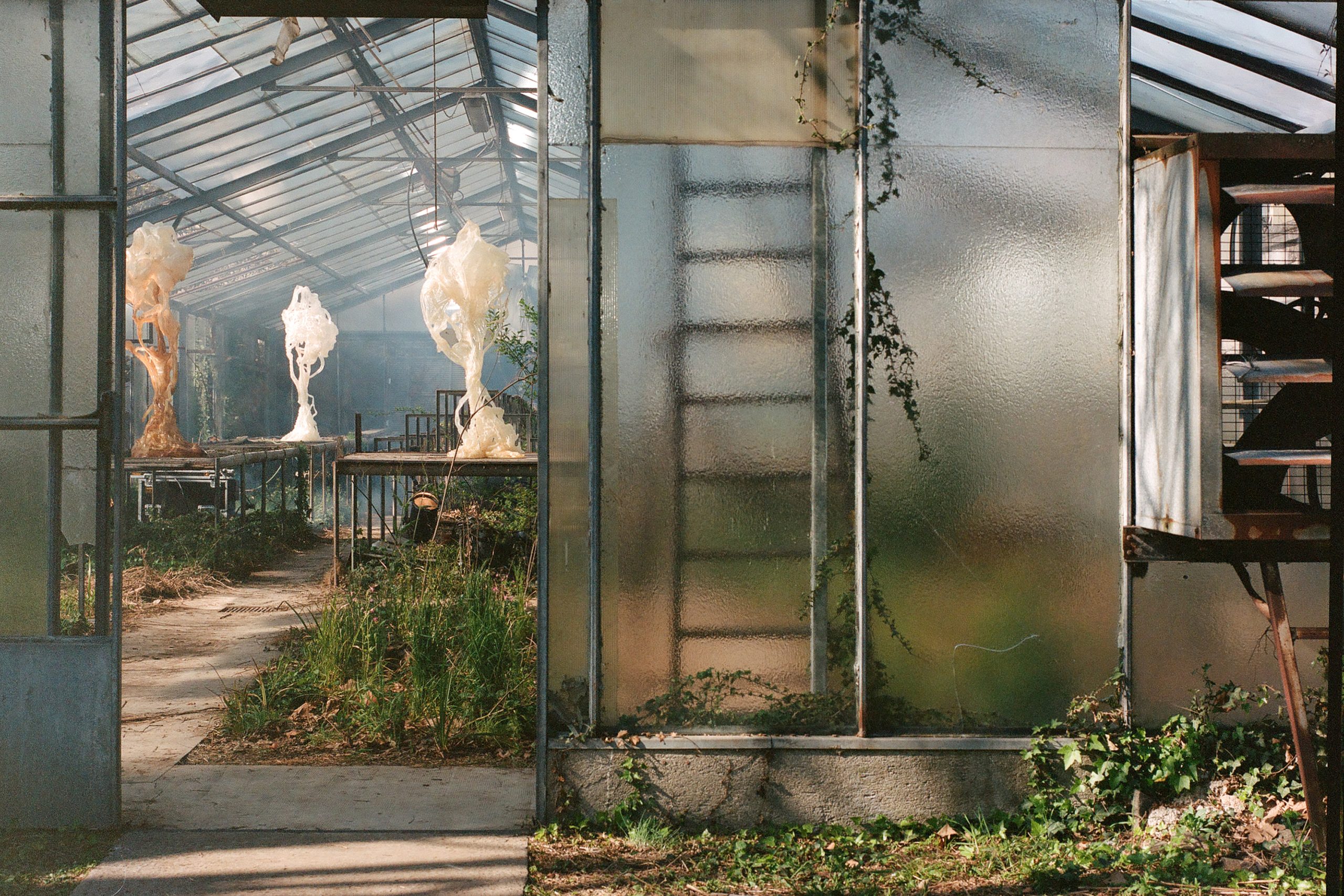
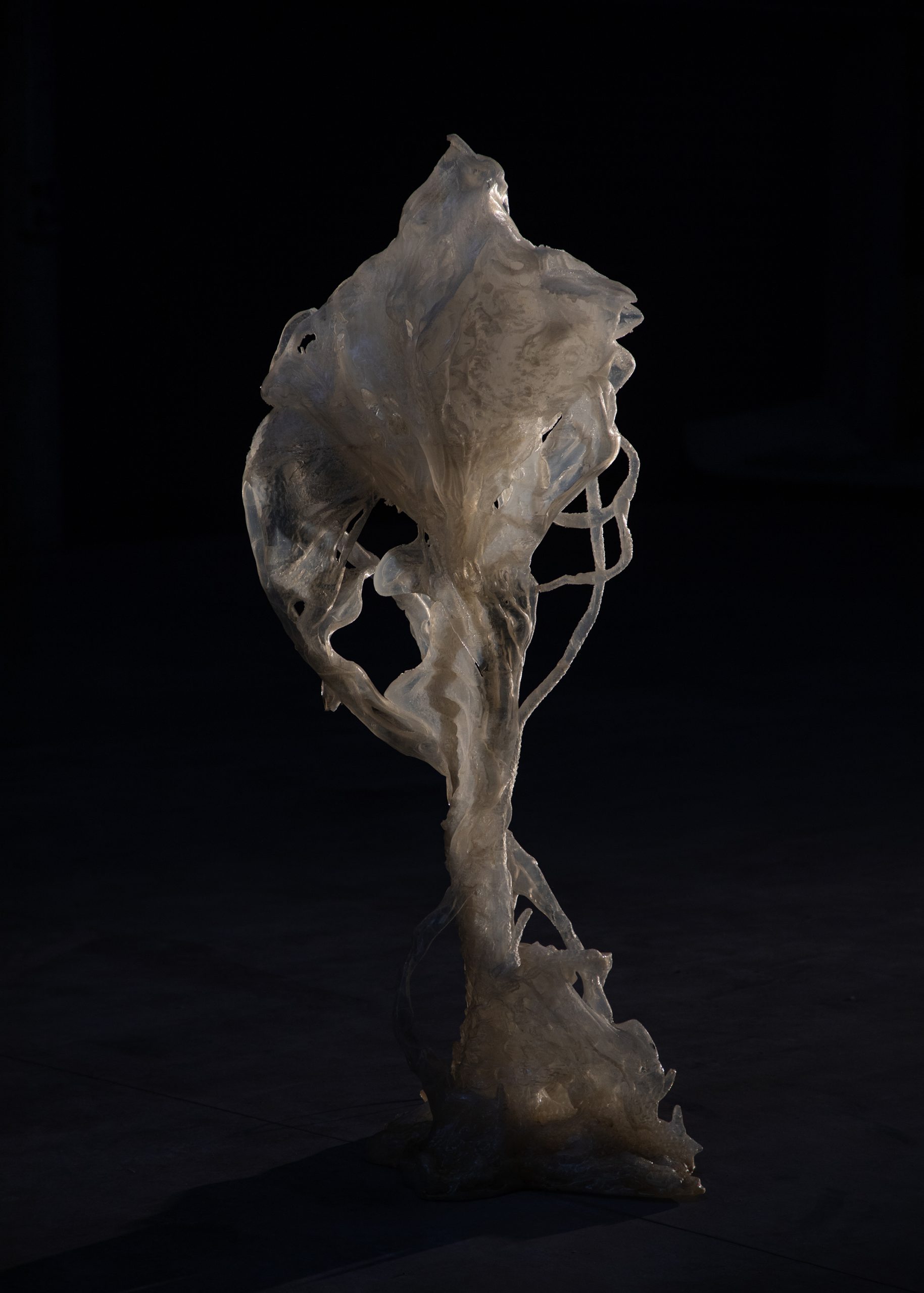
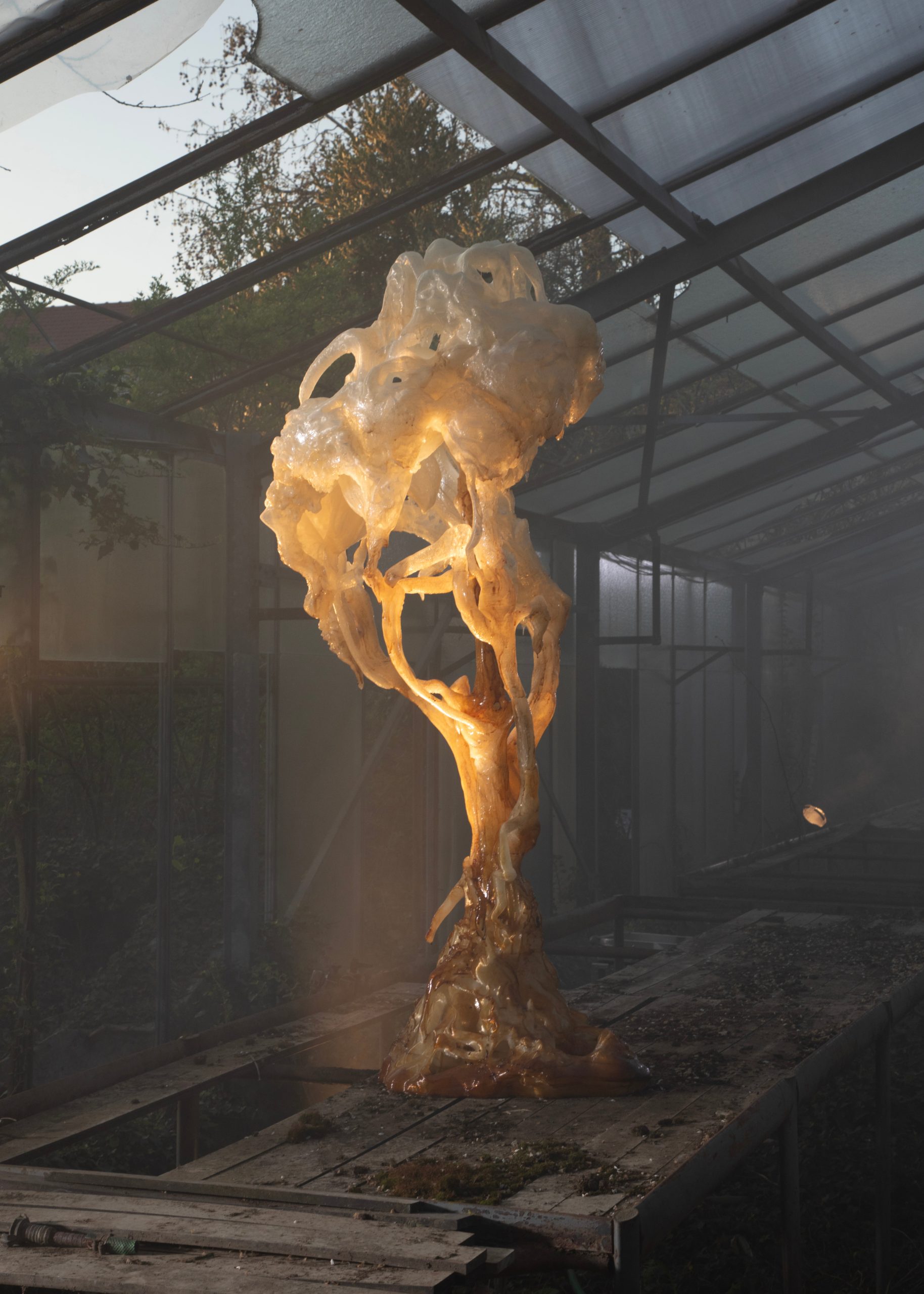
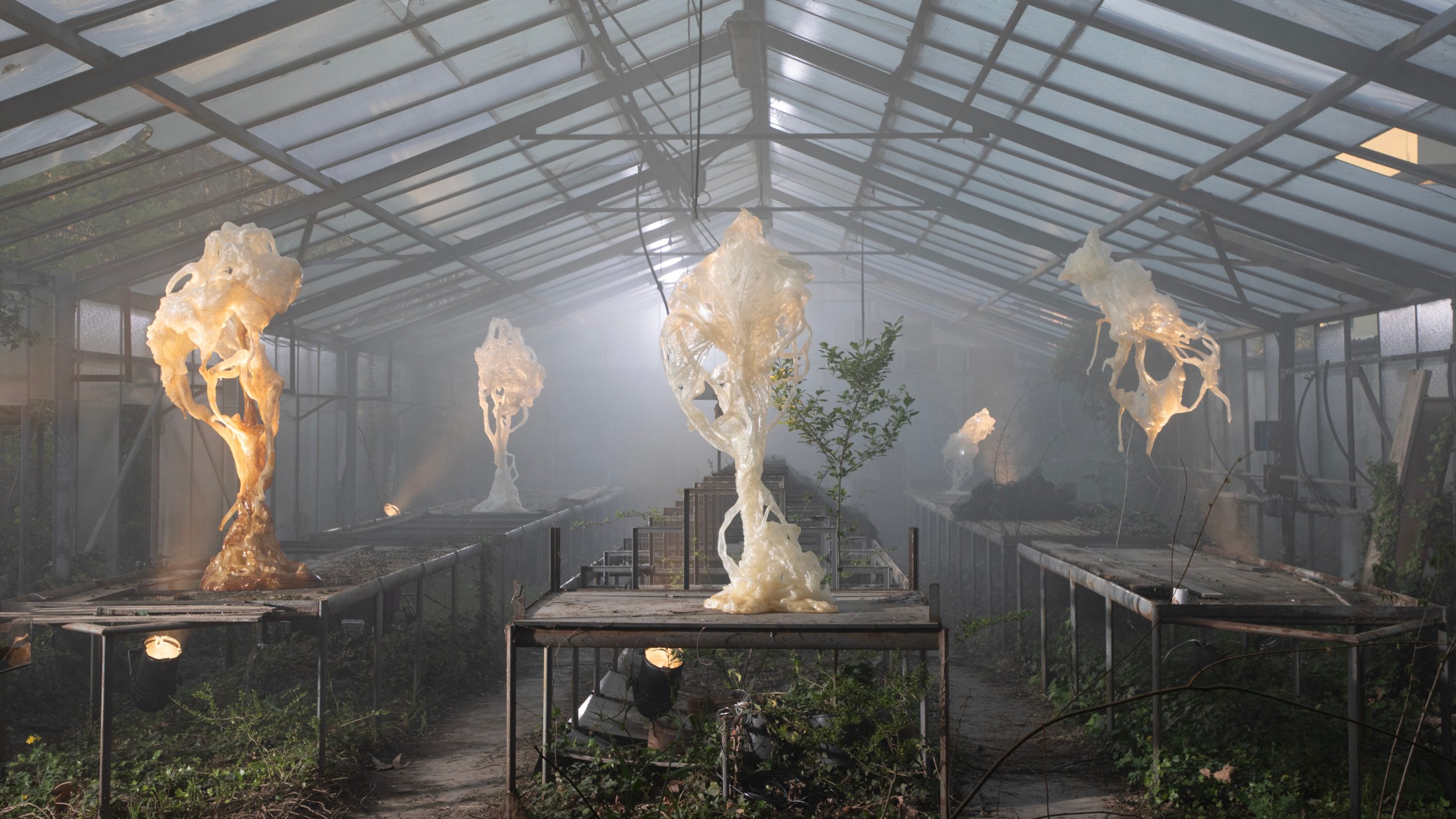
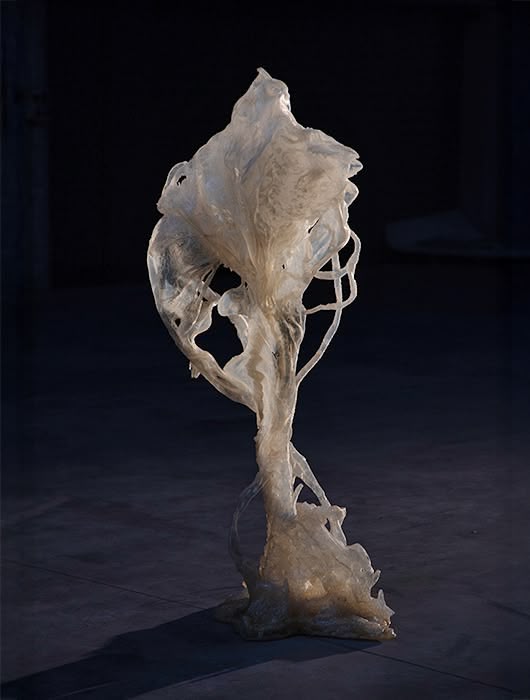
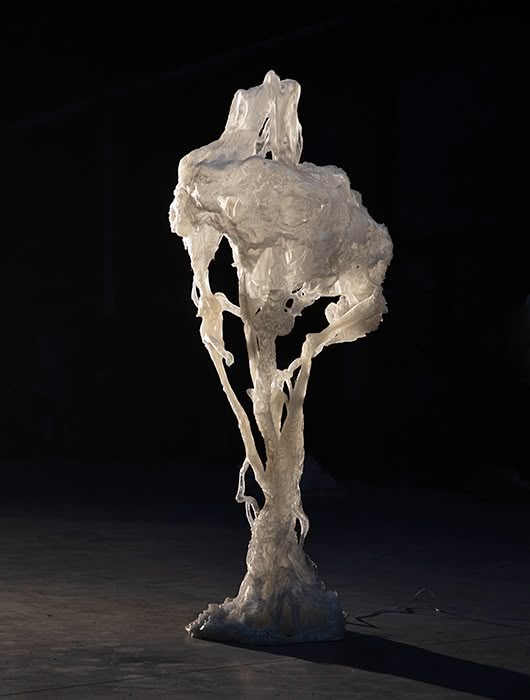
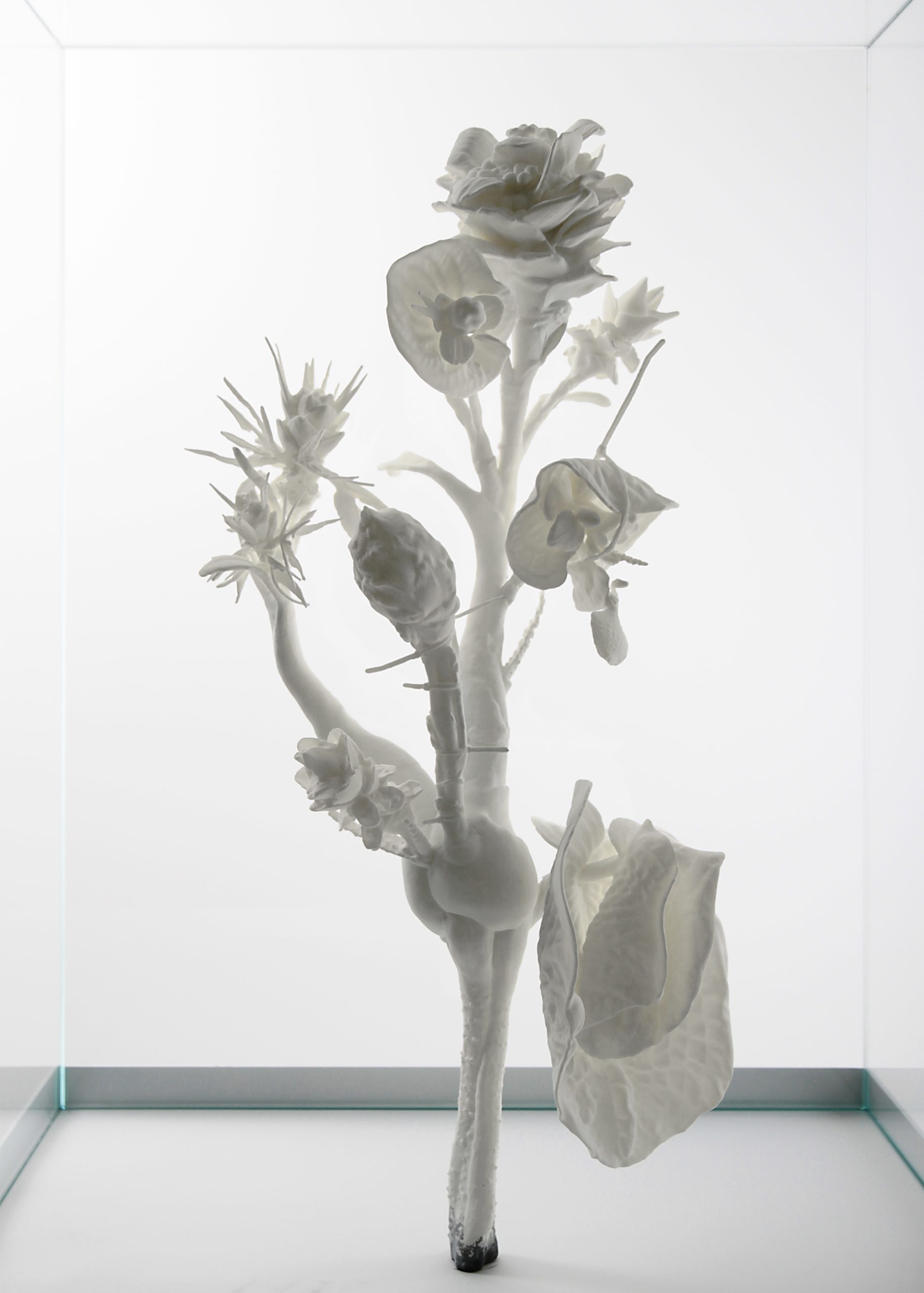
Ghost Orchid

April 7-13, 2025, Milan, Italy

[ img ]
Ghost Orchid Installation
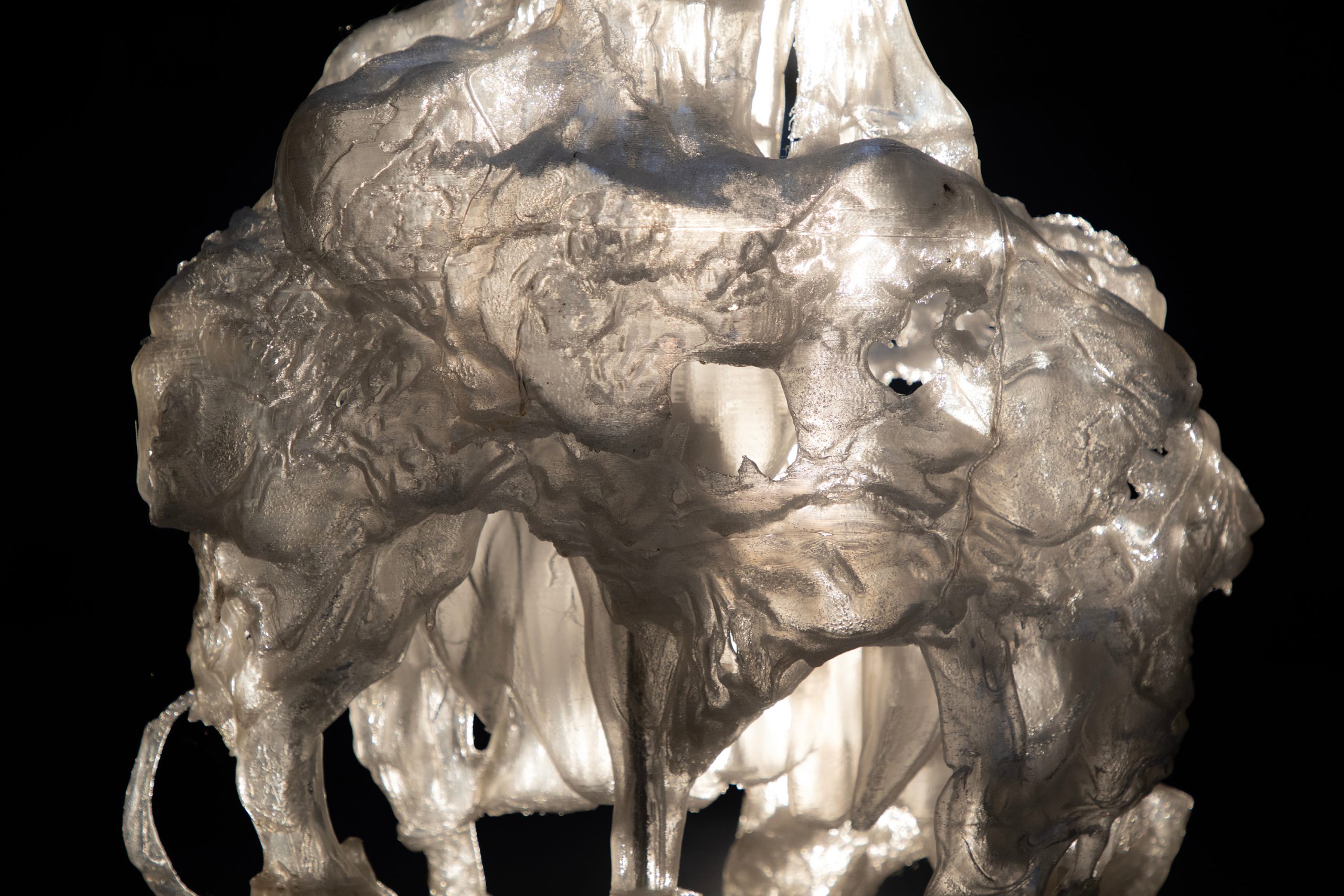
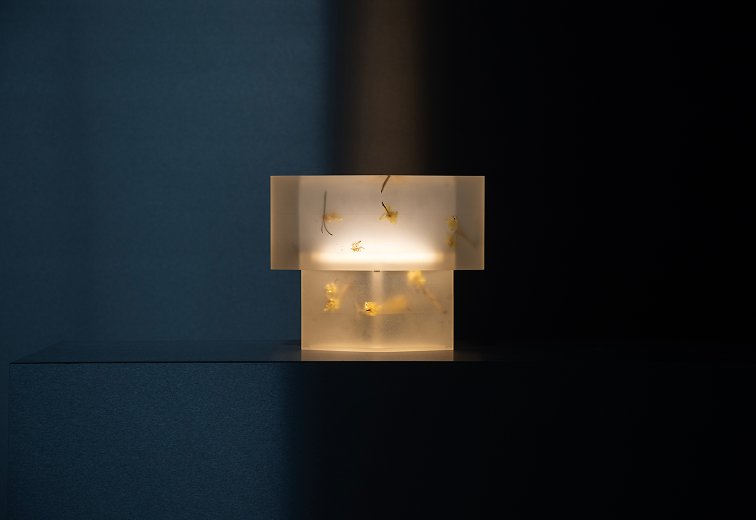
Botanical matter becomes both subject and material: a site of ongoing research into how natural systems can be translated into architectural form. Through advanced resin-based composite development, we explore how plant inclusions interact with light, texture, and structure in custom-developed wall panels and room dividers, offering a redefinition of the atmospheric space around them.
Shifting between softness and precision, the Clear Amber Room Divider acts as a sculptural partition encapsulating stems, petals, and leaves within a transparent, amber-like resin. Framed in reflective stainless steel, the freestanding structure becomes a contemporary herbarium: translucent, textural, and ever-changing with light. Alternating between matte and polished finishes, it allows for a poetic reflection and light diffusion that enhances the atmosphere of the space.

Works included

SHOW ALL
  • O2501

    Orchids
    PLA
  • O2502

    Orchids
    PLA

Horta Museum

6 September—7 October 2018, Brussels, Belgium

[ img ]
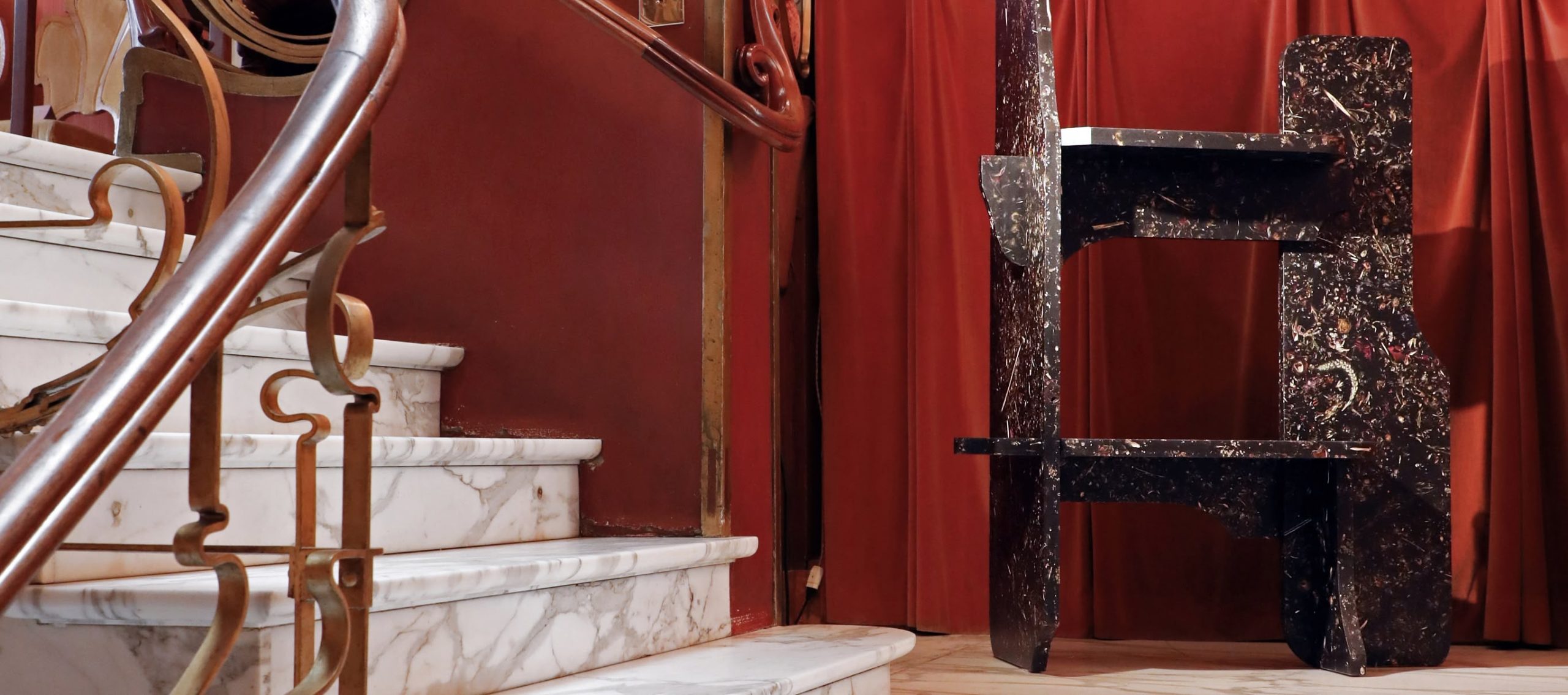
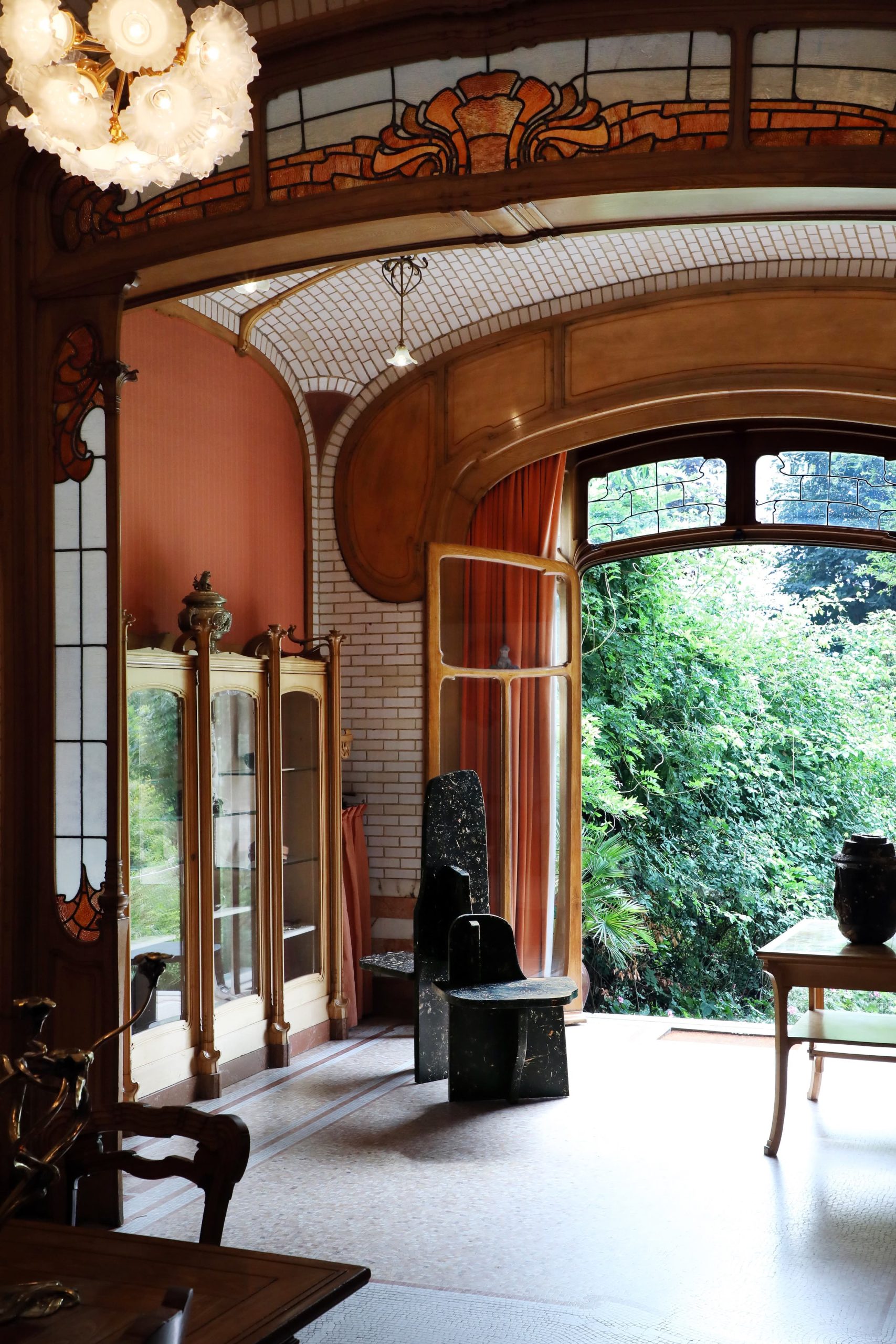
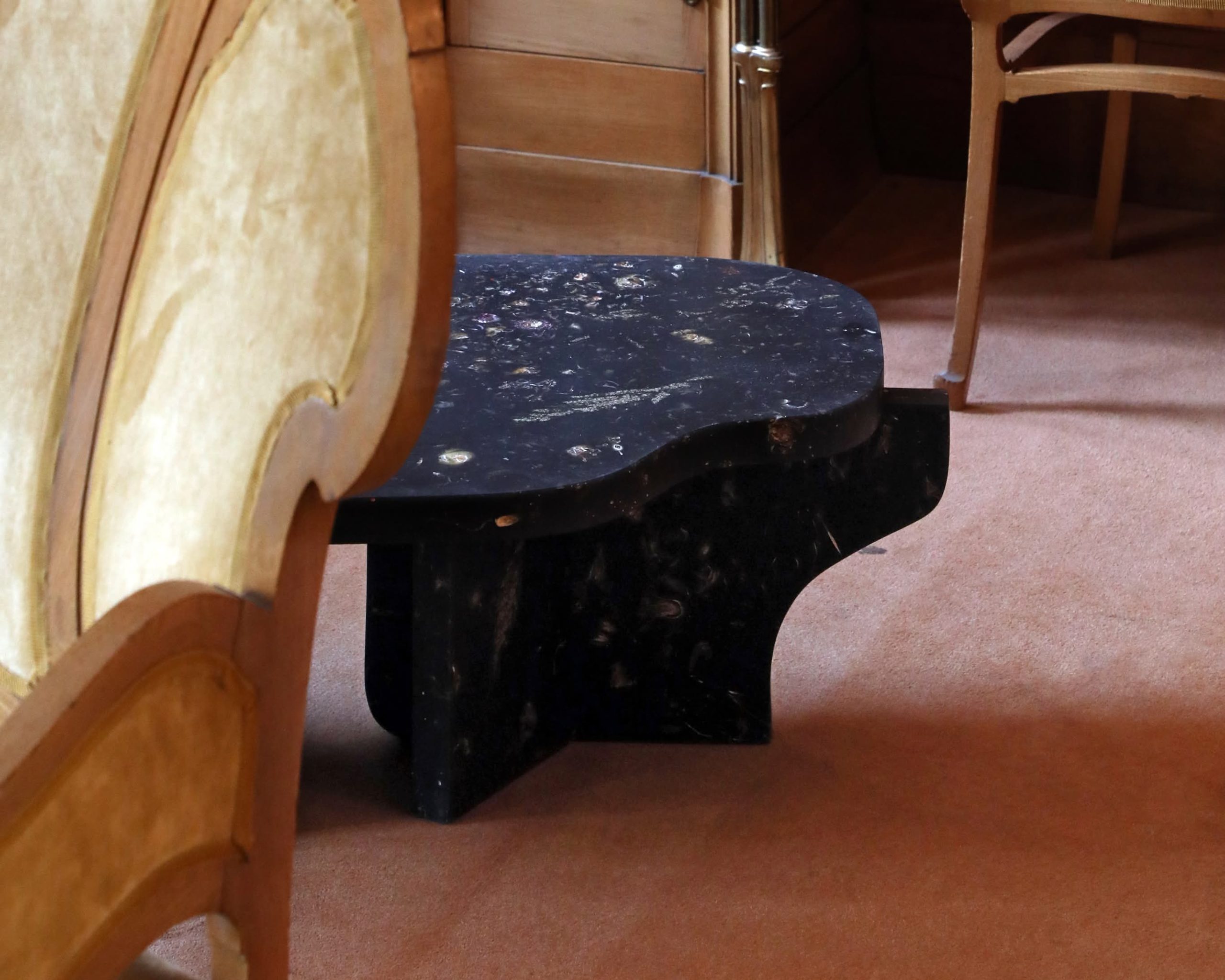
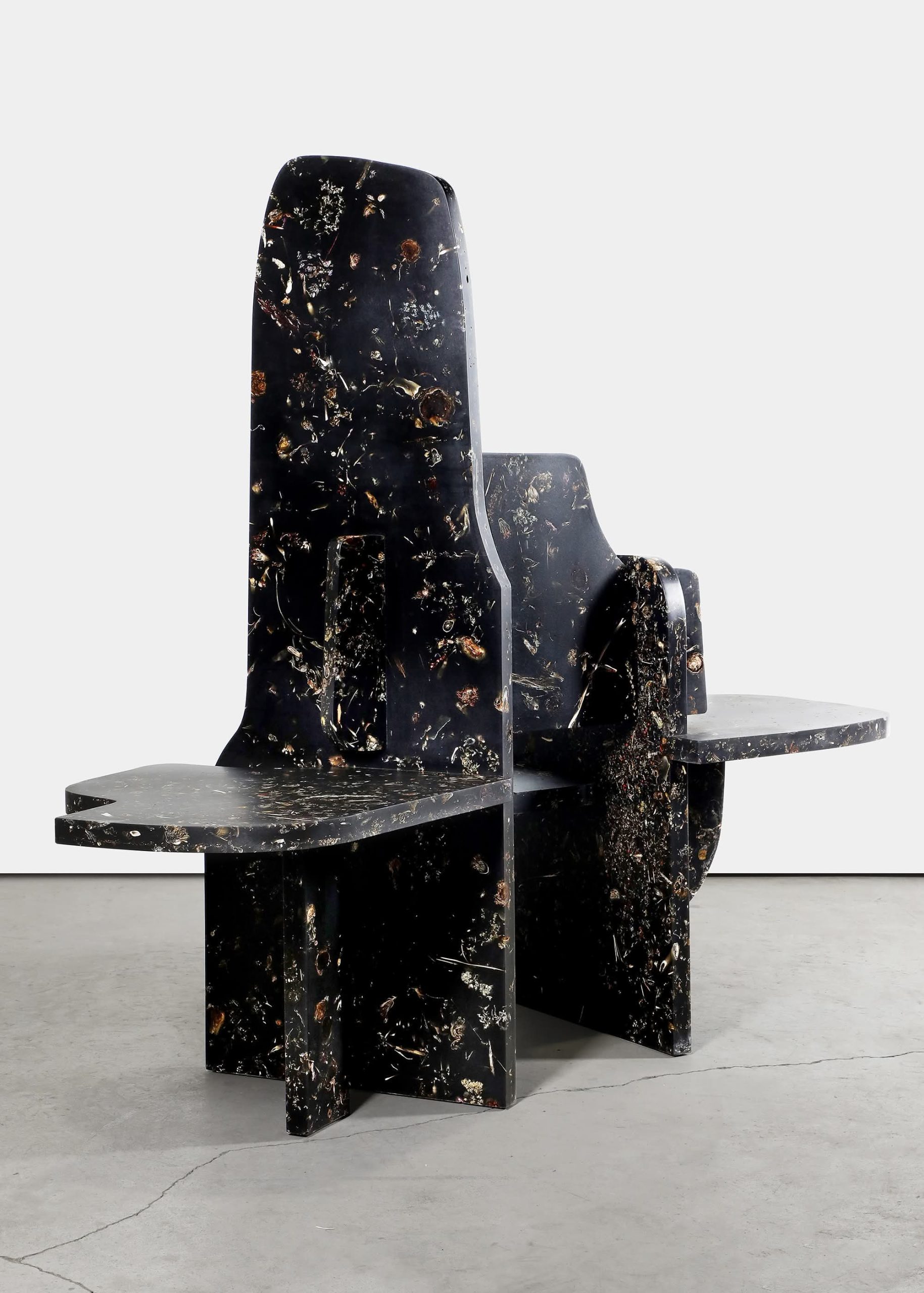
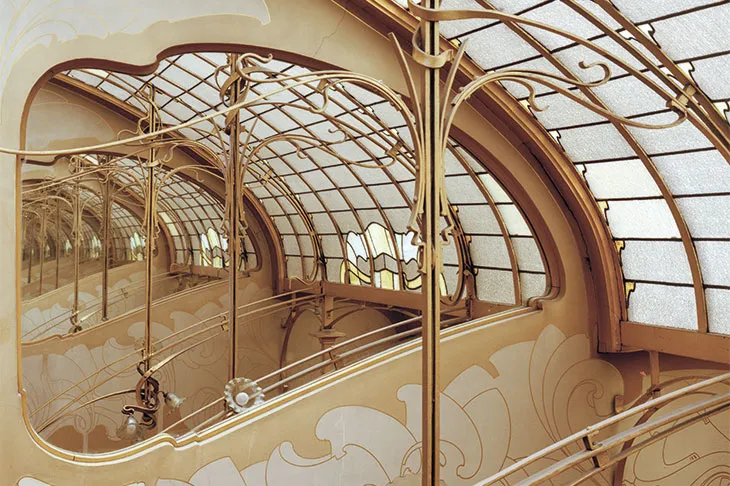
The Perma series speaks to the botanical language of Art Nouveau, in dialogue with the historic surroundings.
Elaborating on the ideological principles of Art Nouveau and adapting them to a contemporary context, the exhibition pays homage to the famed Belgian architect and patron of the museum, following his ideas of bringing the exterior of the natural world indoors. The title of the show, “Nature of Things”, refers to a collection of poems by Francis Ponge, in which commonplace objects carry a philosophical charge.
“Nature of Things II” conjures a world of natural elements: conserved and non-conserved, decaying and non-decaying.
[ object ]
P1802
[ object ]
P1802
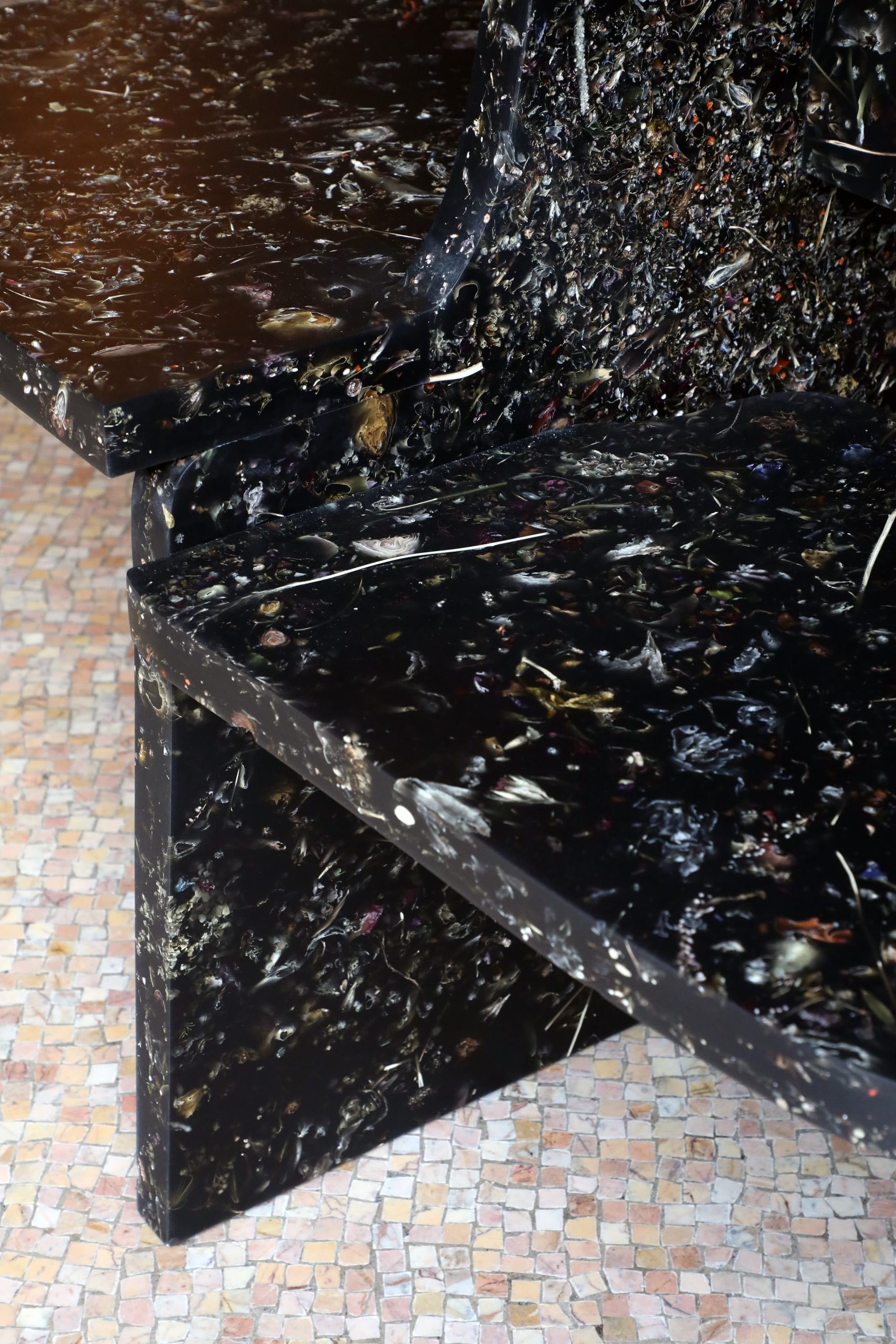
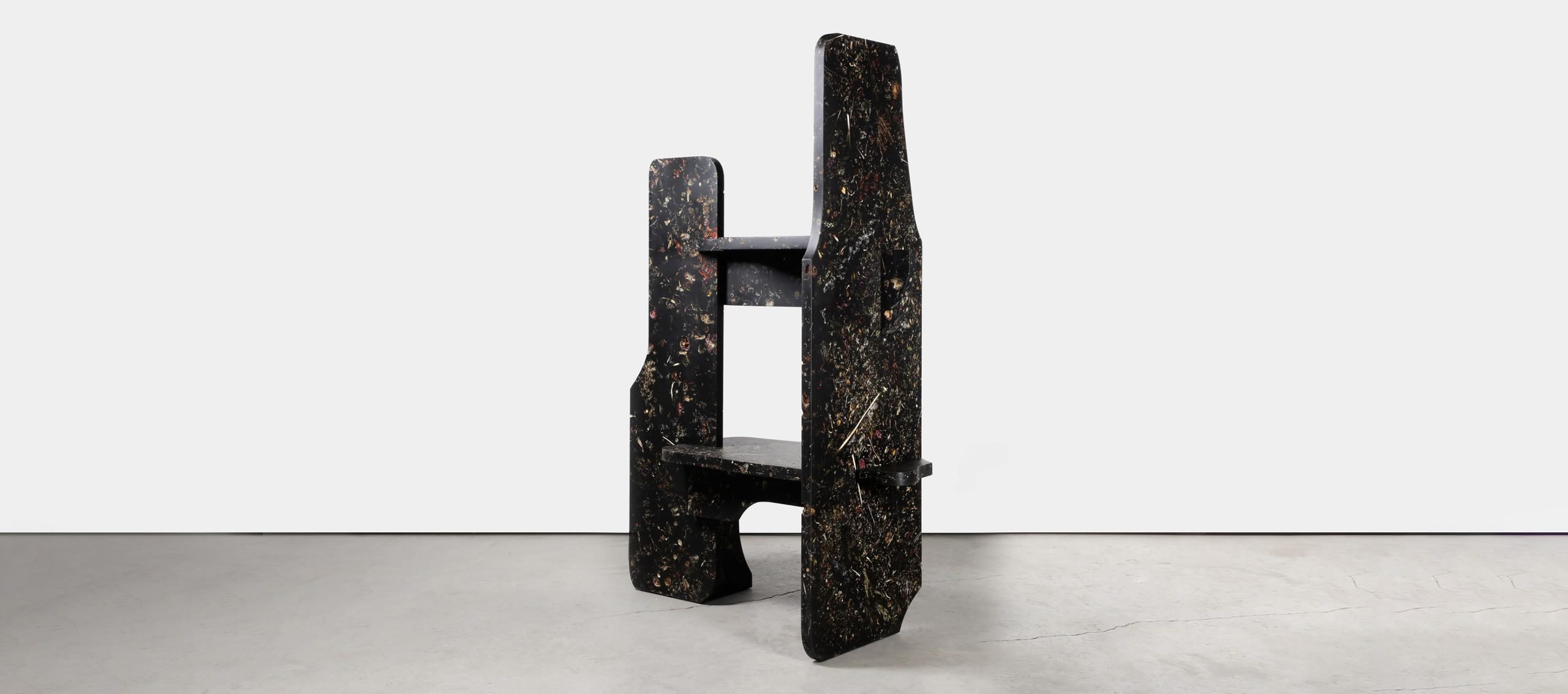
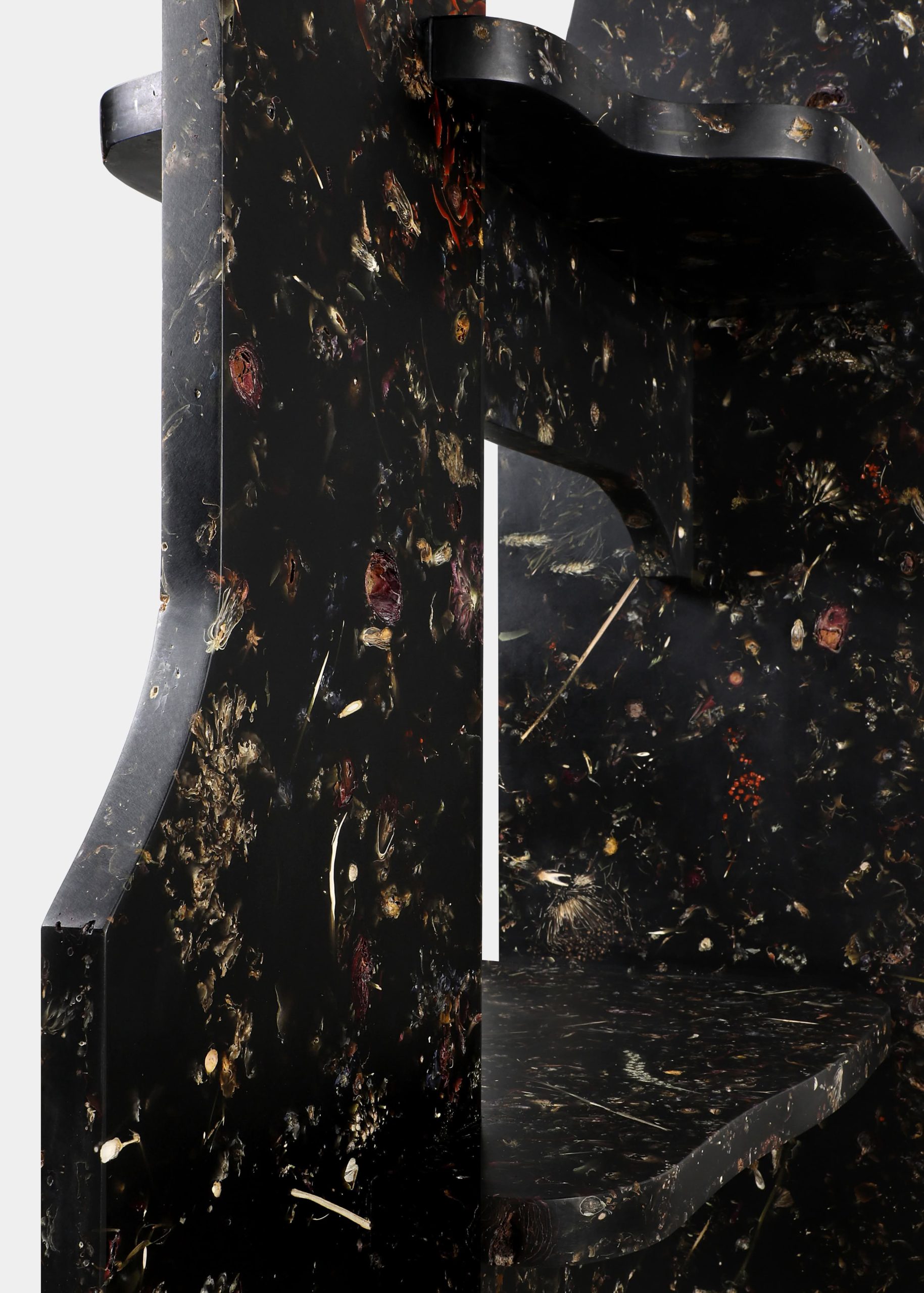
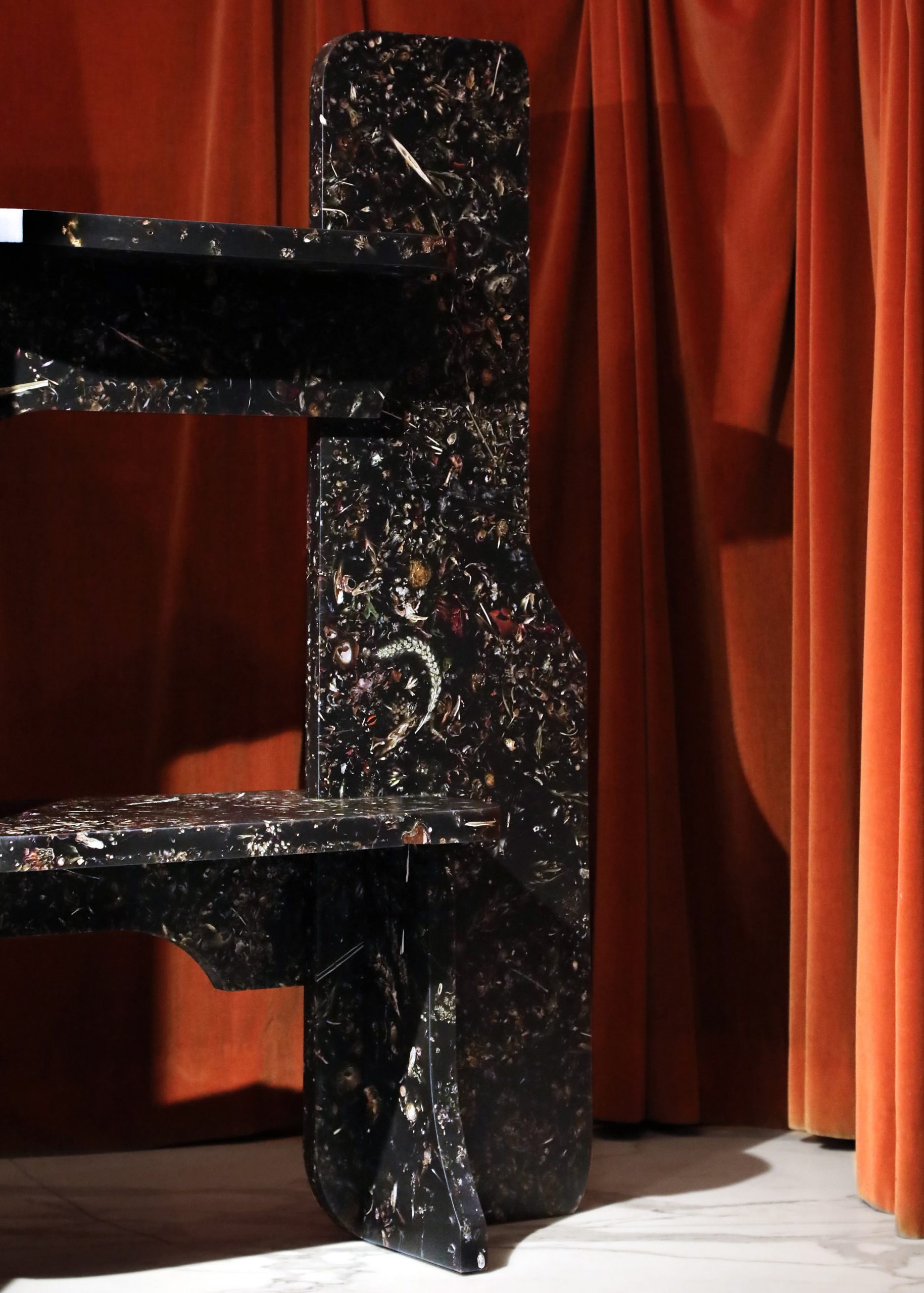
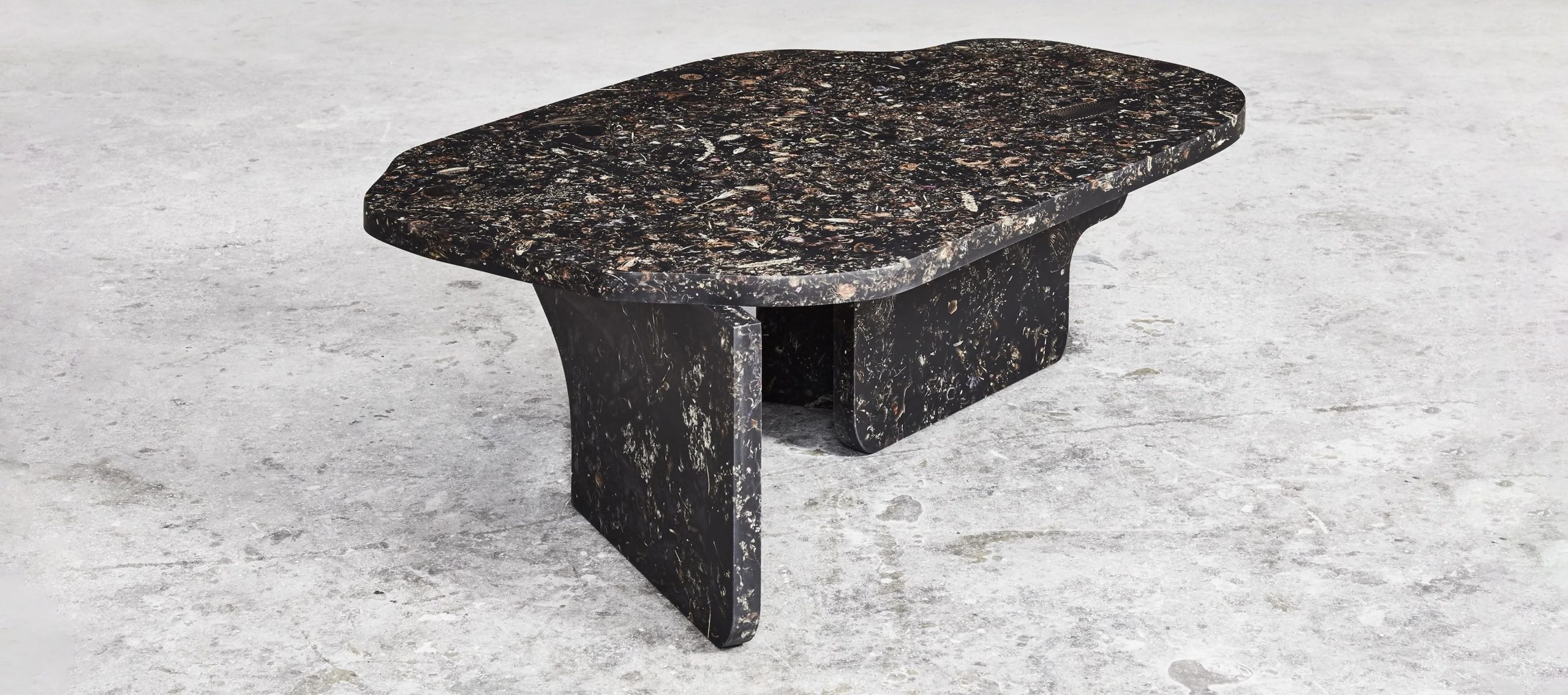
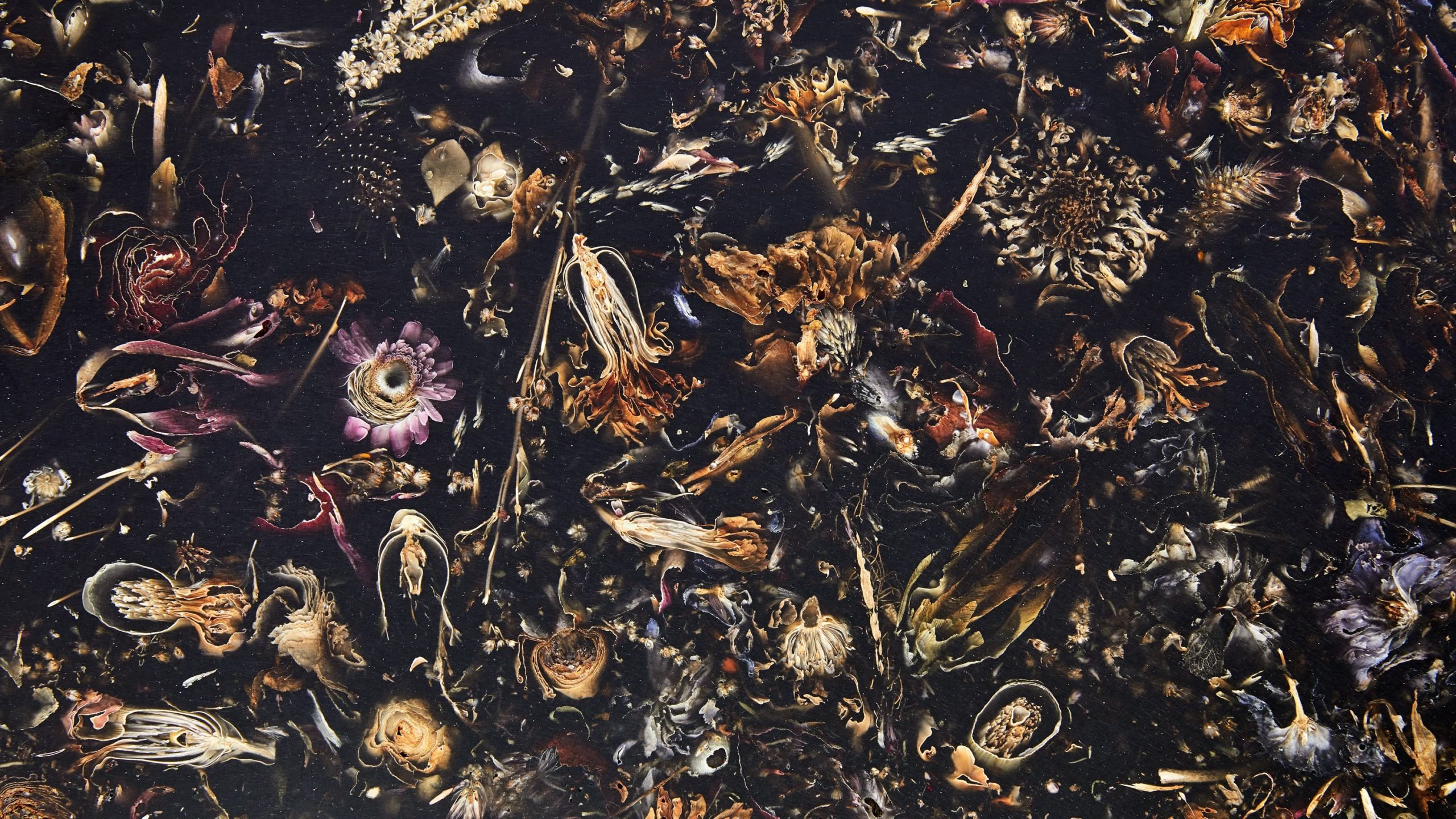
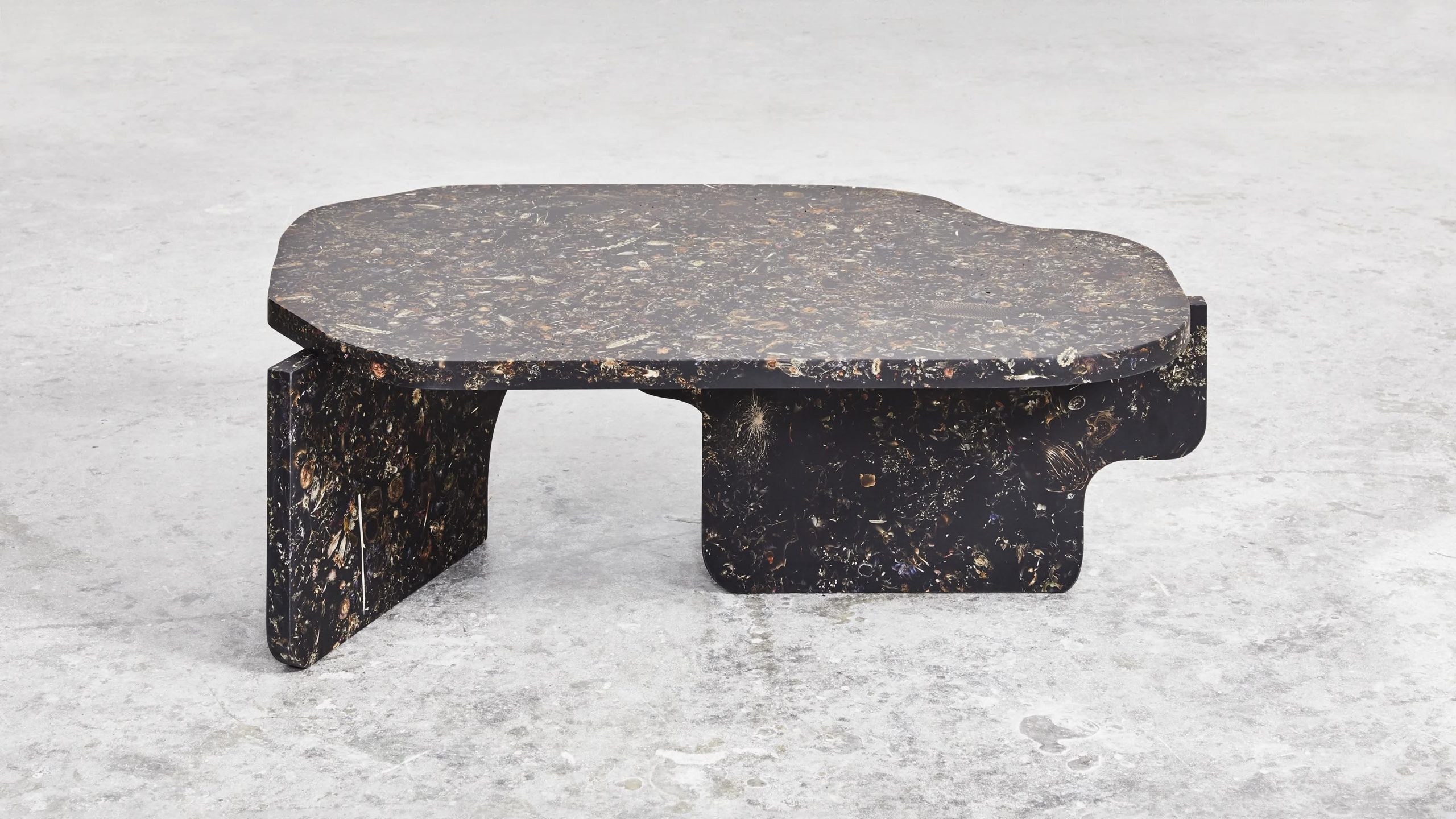
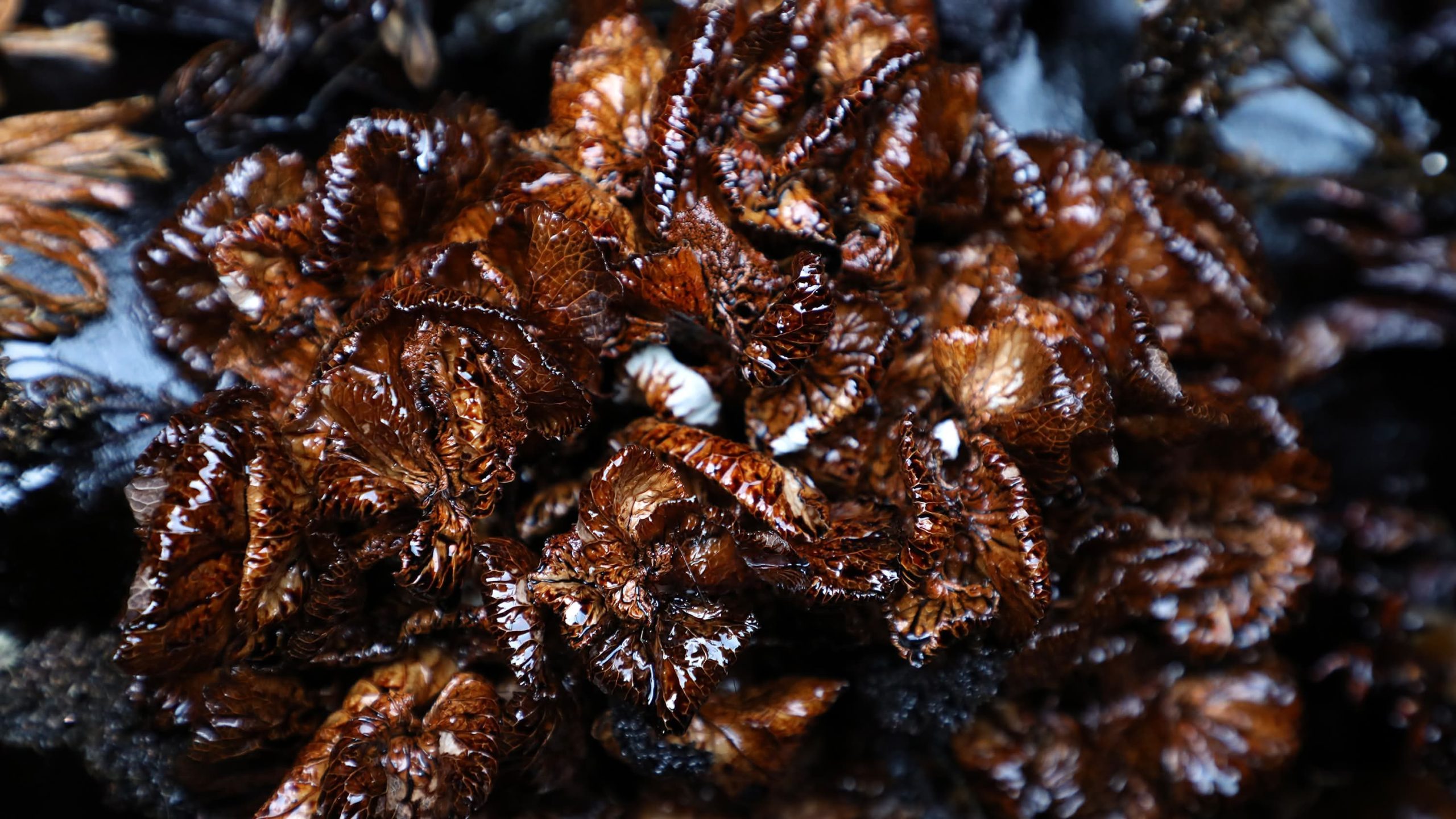
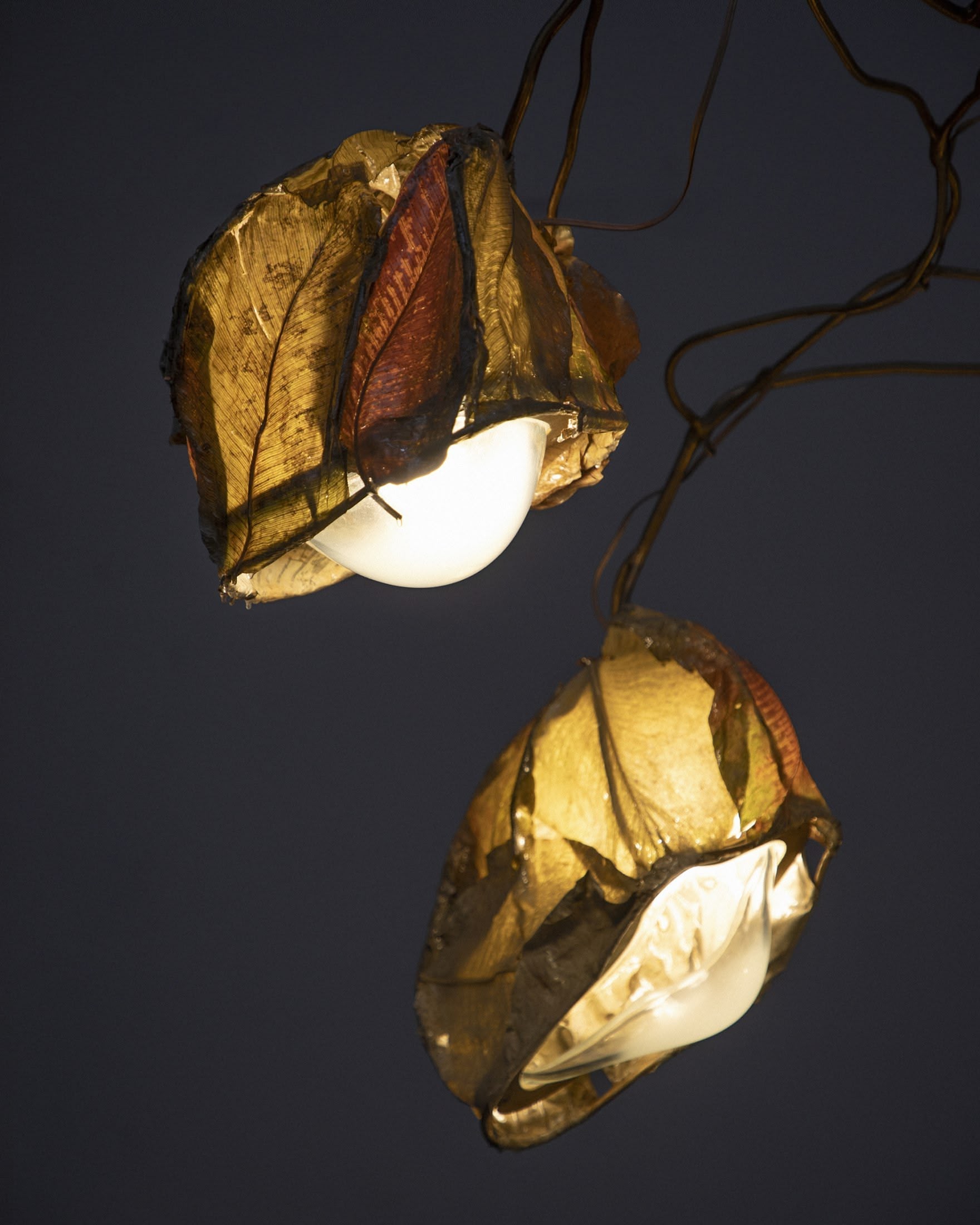
The decorative aspects of our pieces derive from an in-depth research and investigation of natural materials. Echoing historical functional forms with unique assemblages of sculptural planes, the Perma collection reveals intricate anatomical details of plants submerged in tinted resin.
[ img ]
Perma Black (detail)
[ img ]
P2101
[ img ]
Detail of the Horta Museum in Brussels
[ img ]
Detail of the Horta Museum in Brussels
[ img ]
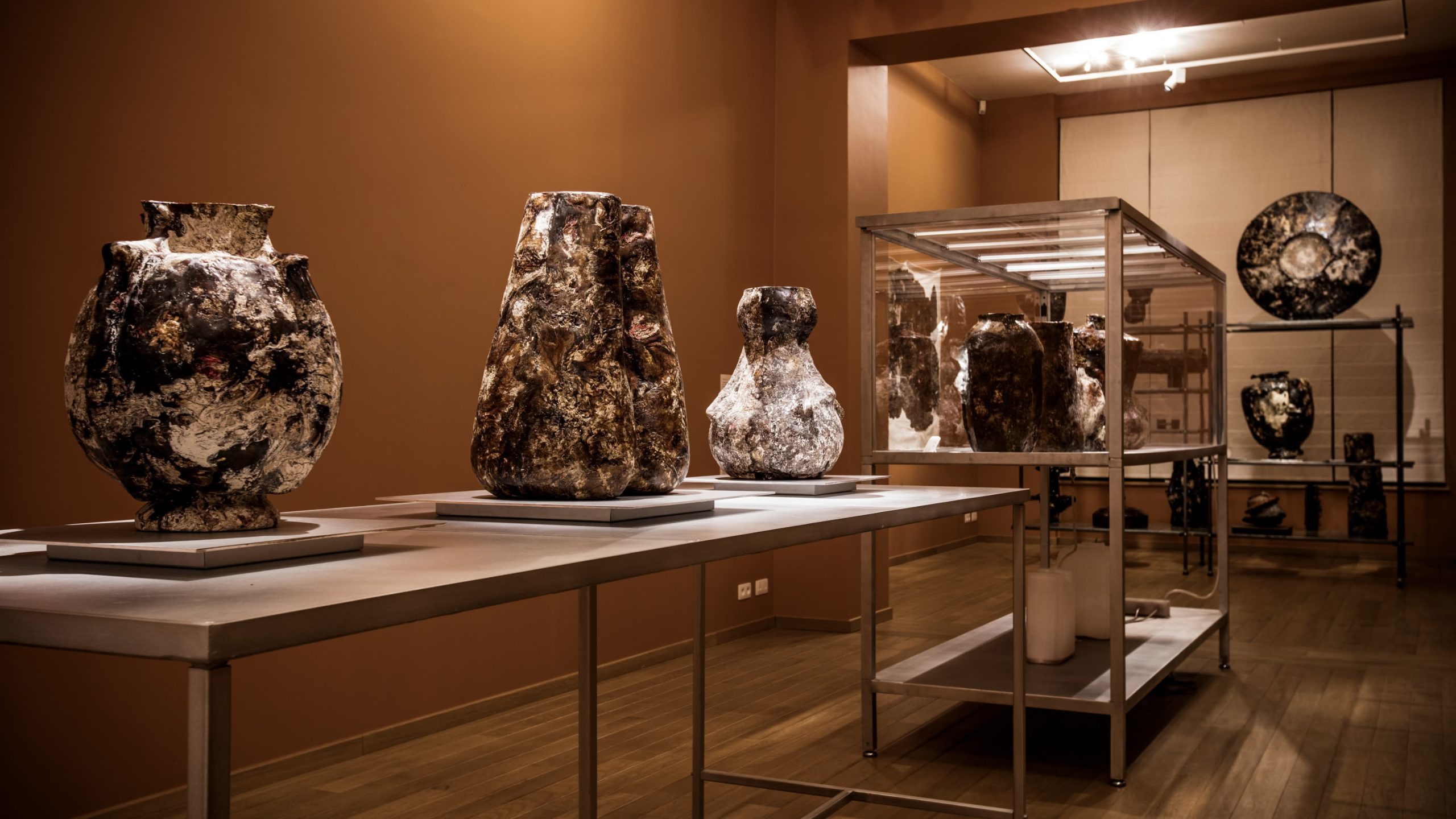
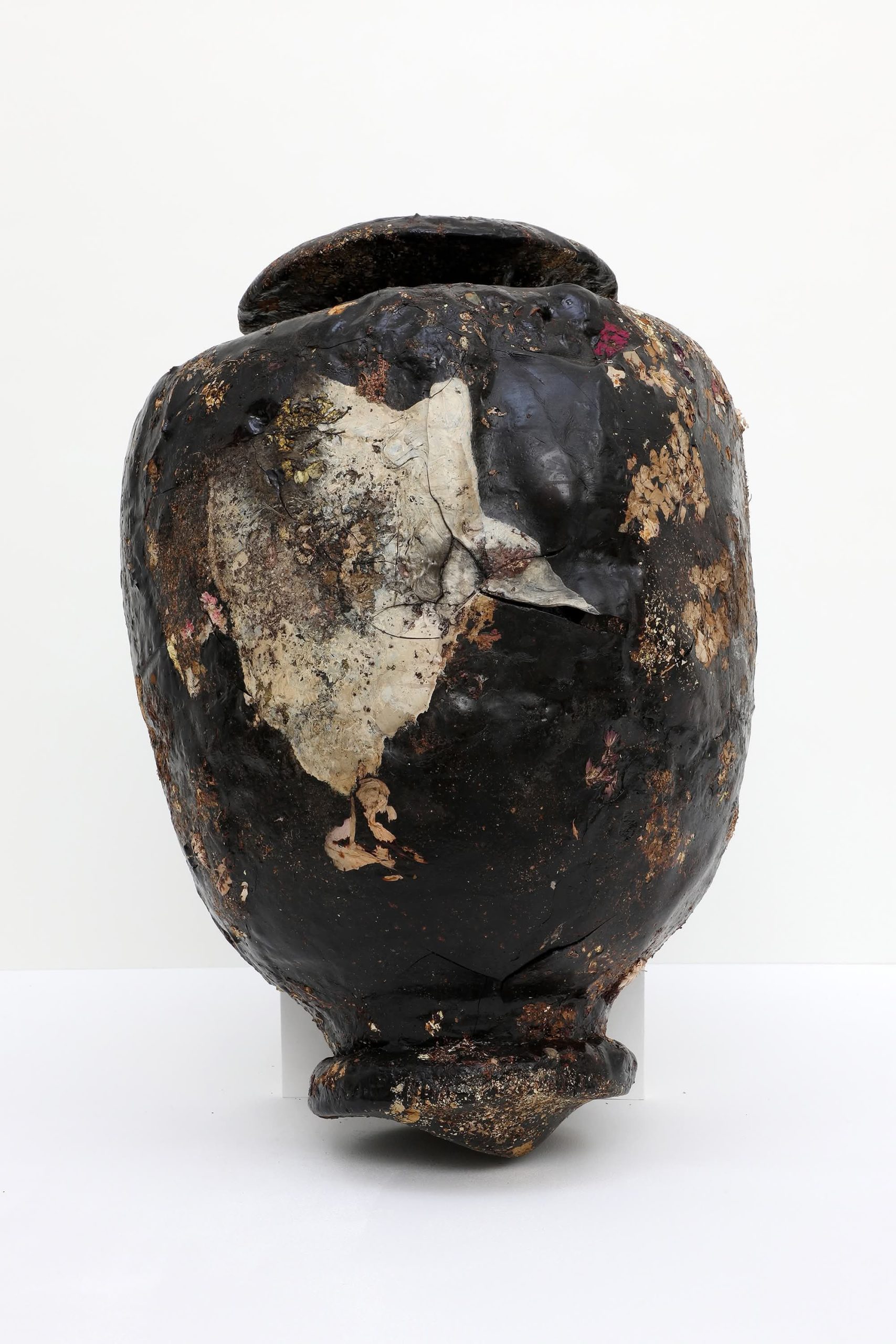
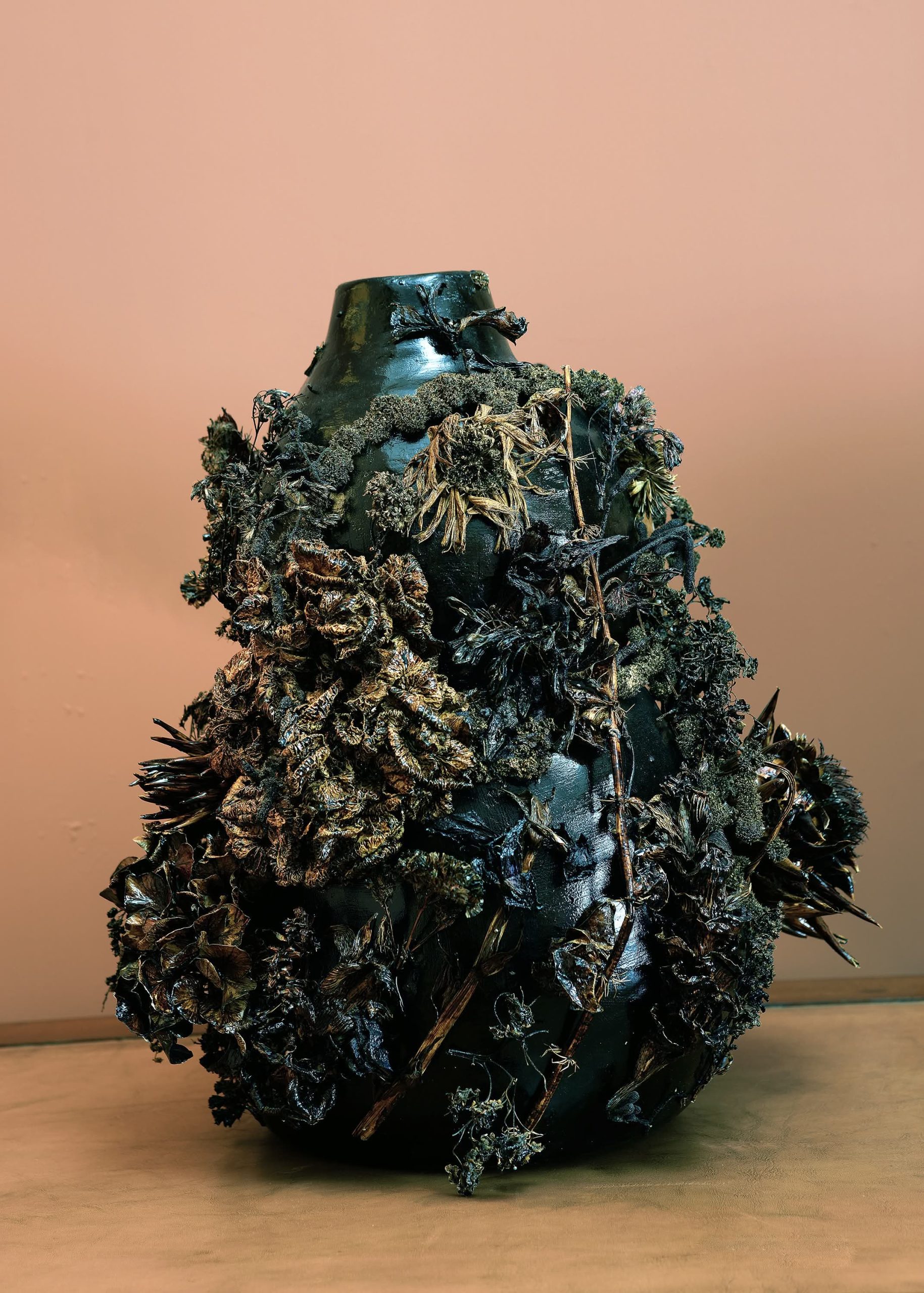
By creating works from organic components, we have highlighted their decaying and ageing properties, and even accelerated them through a specially built incubator.
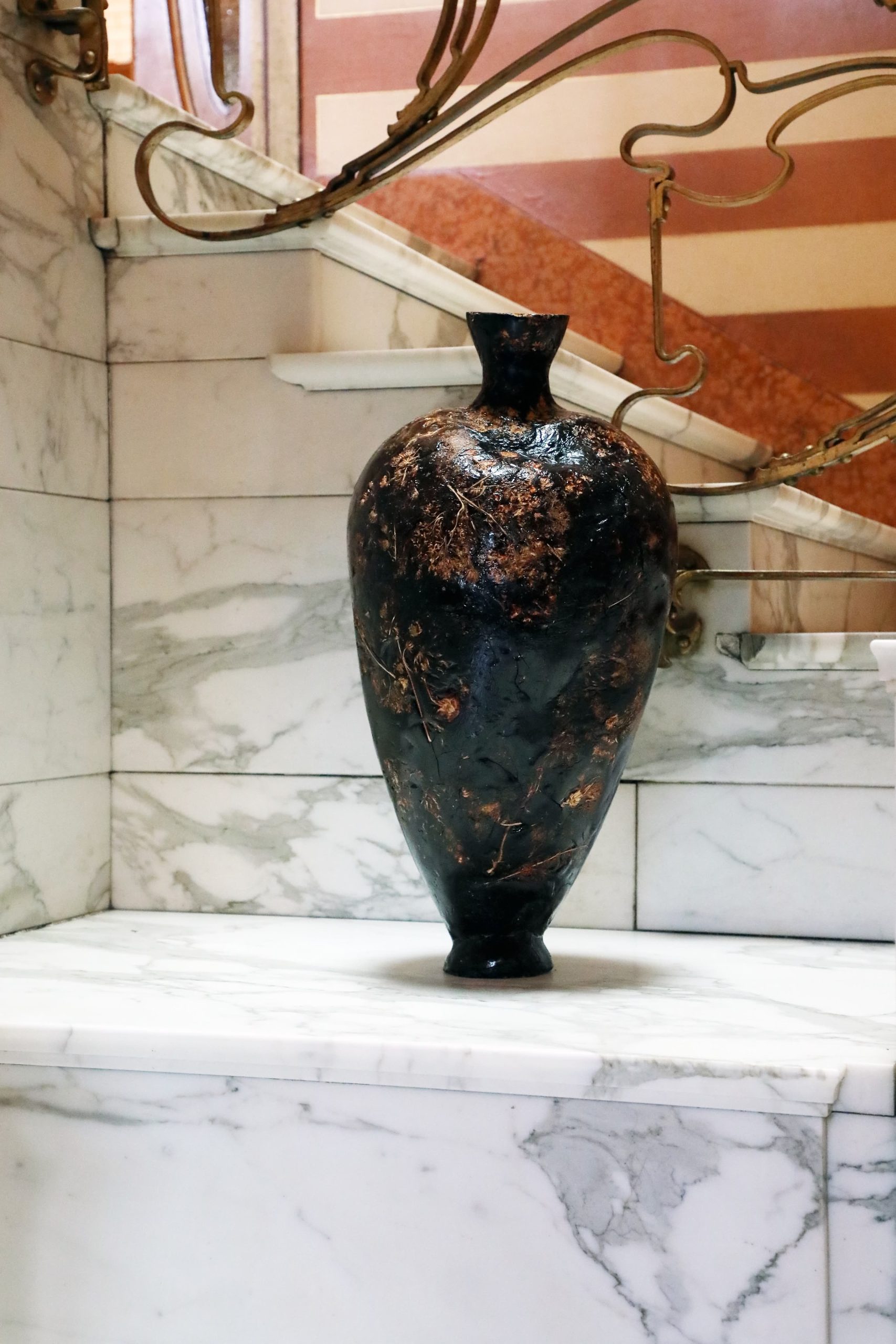
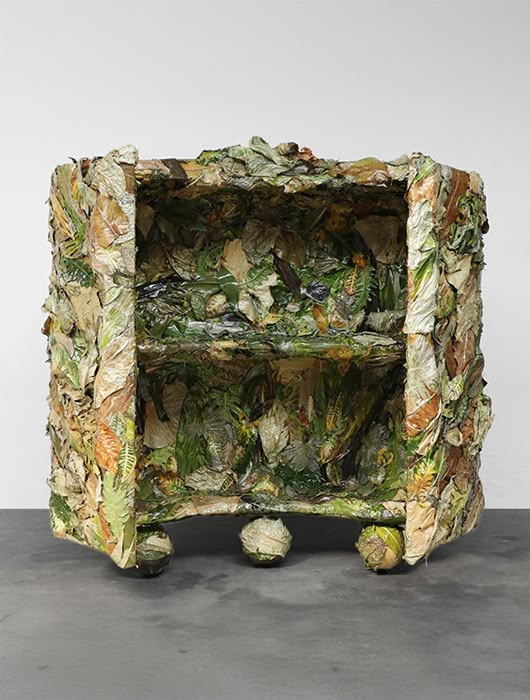
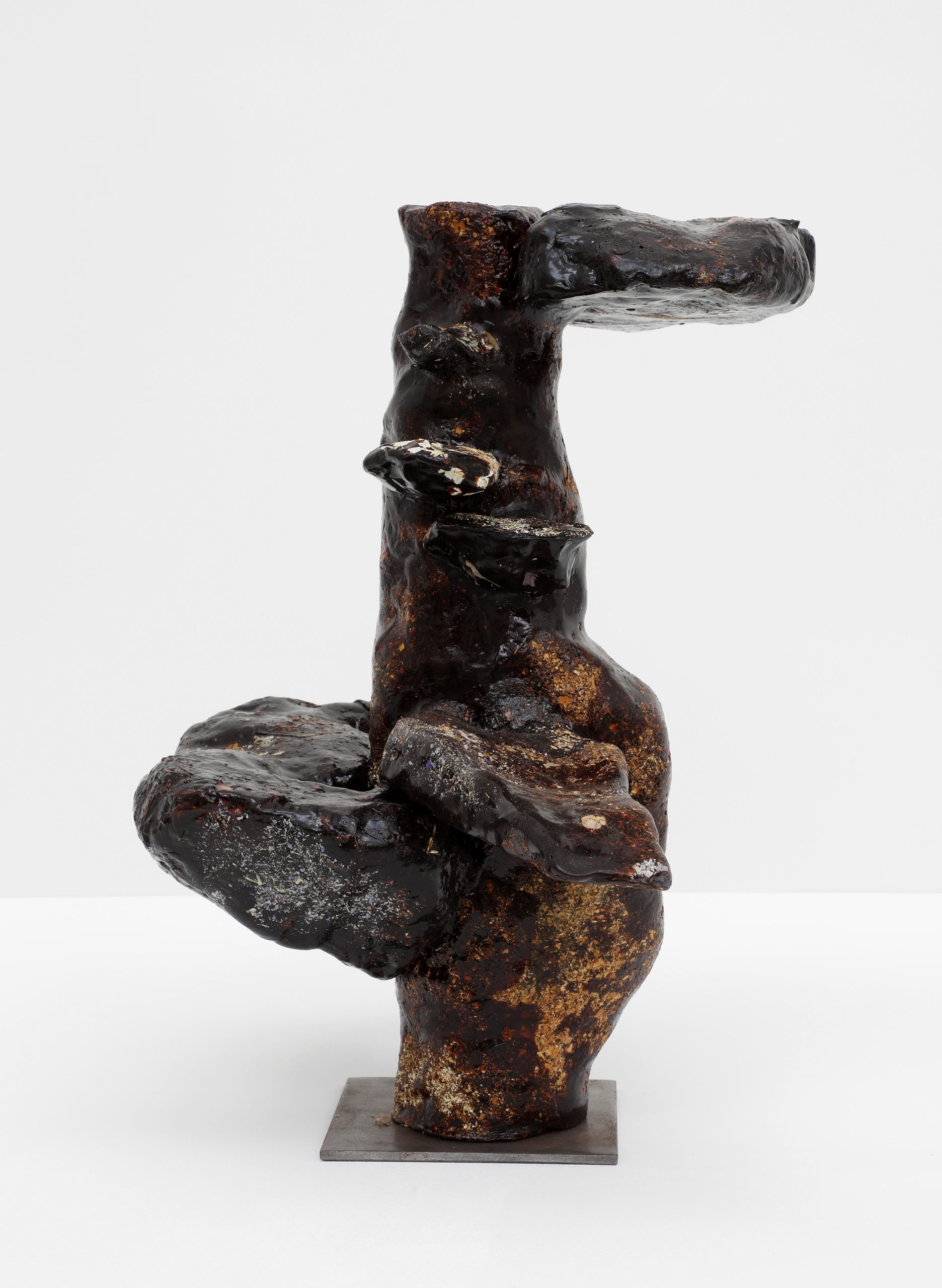
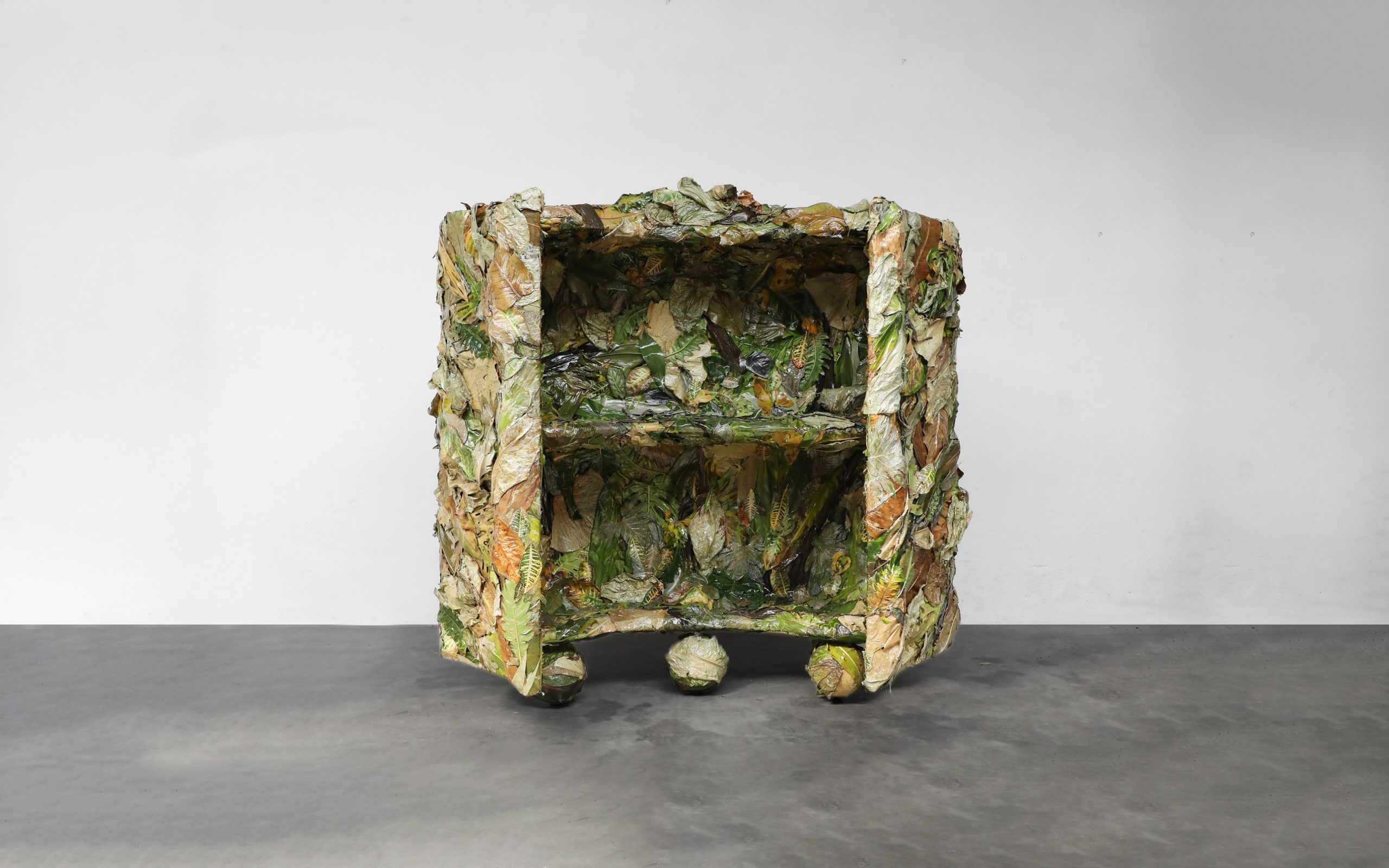
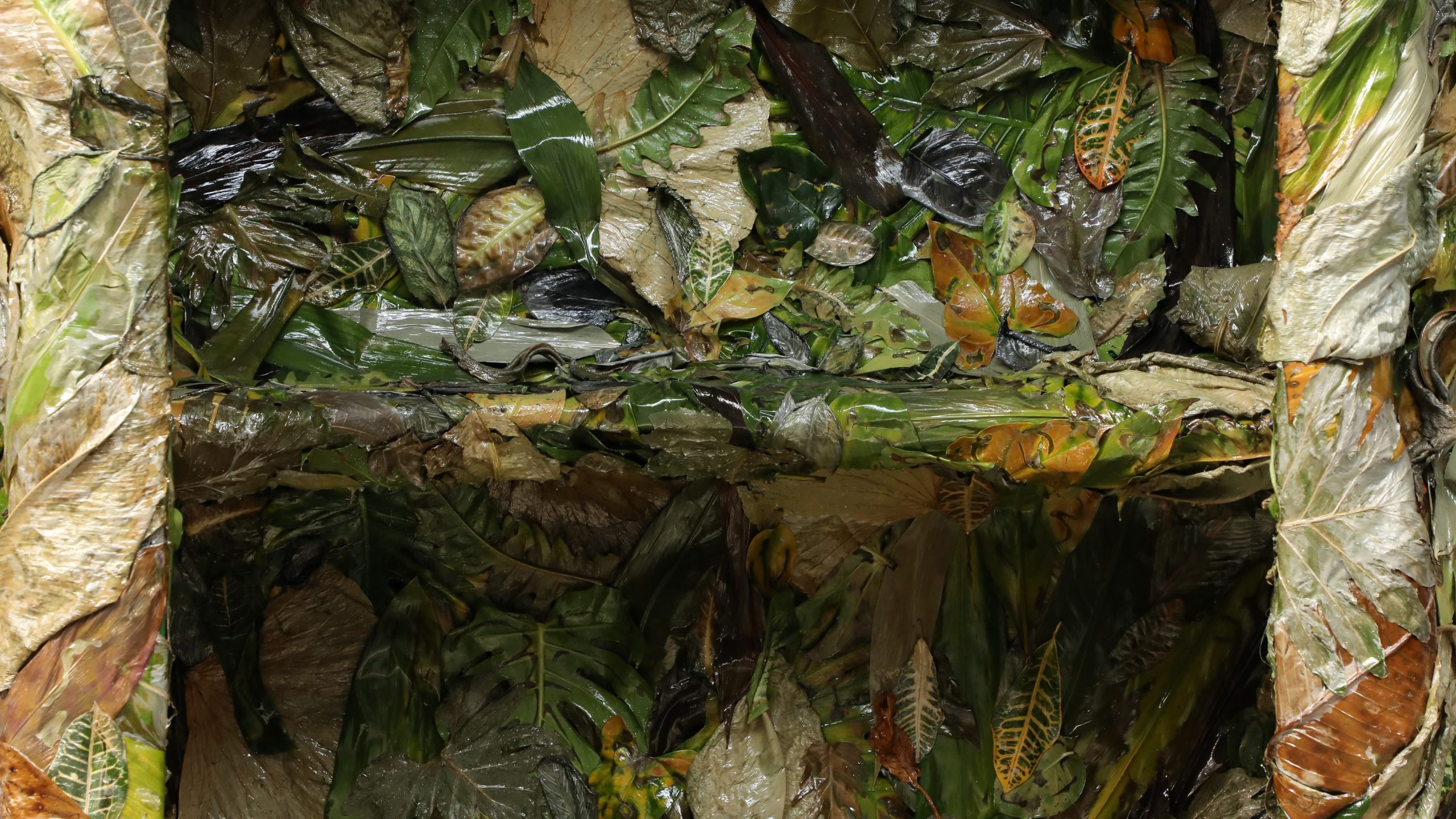
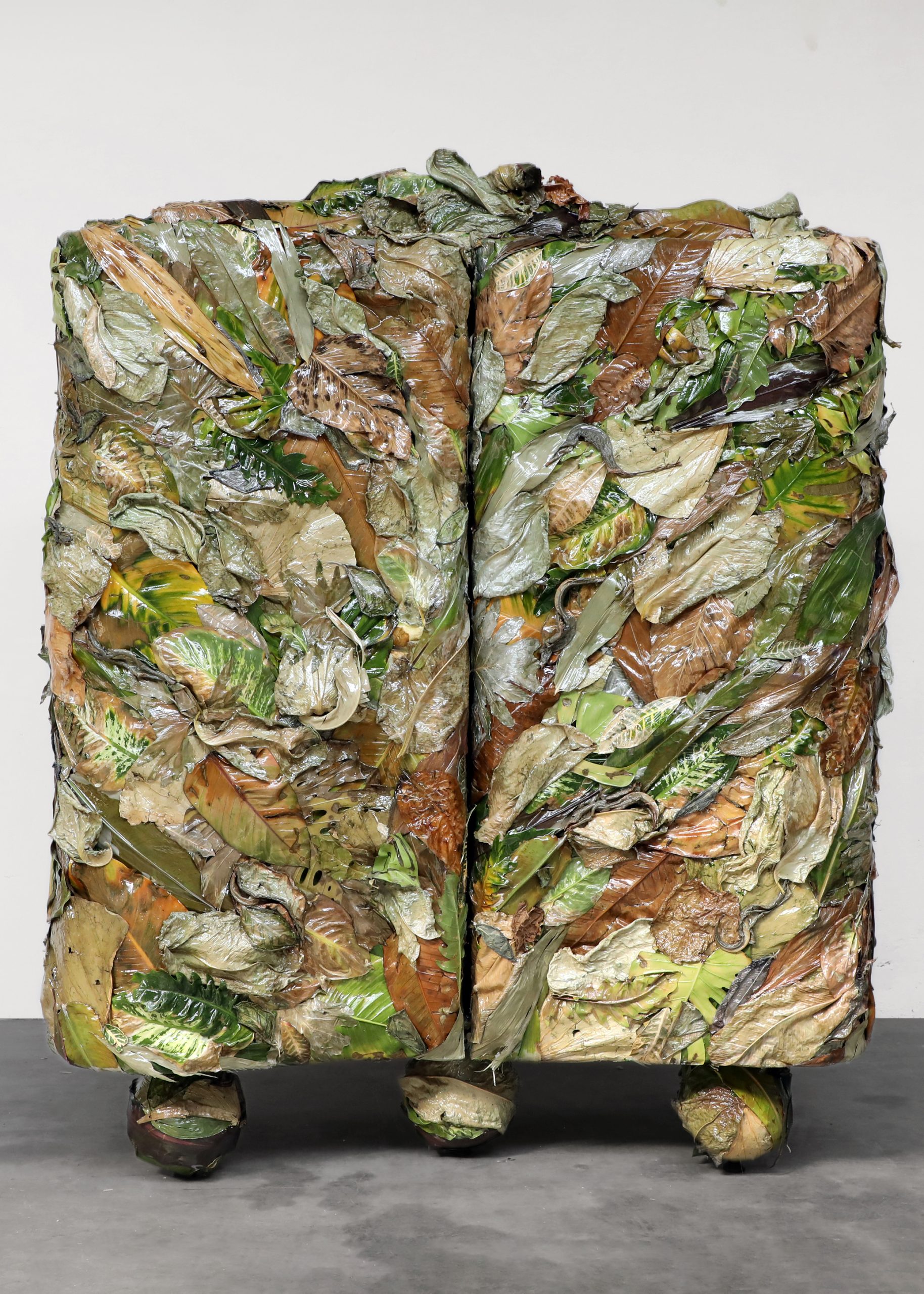
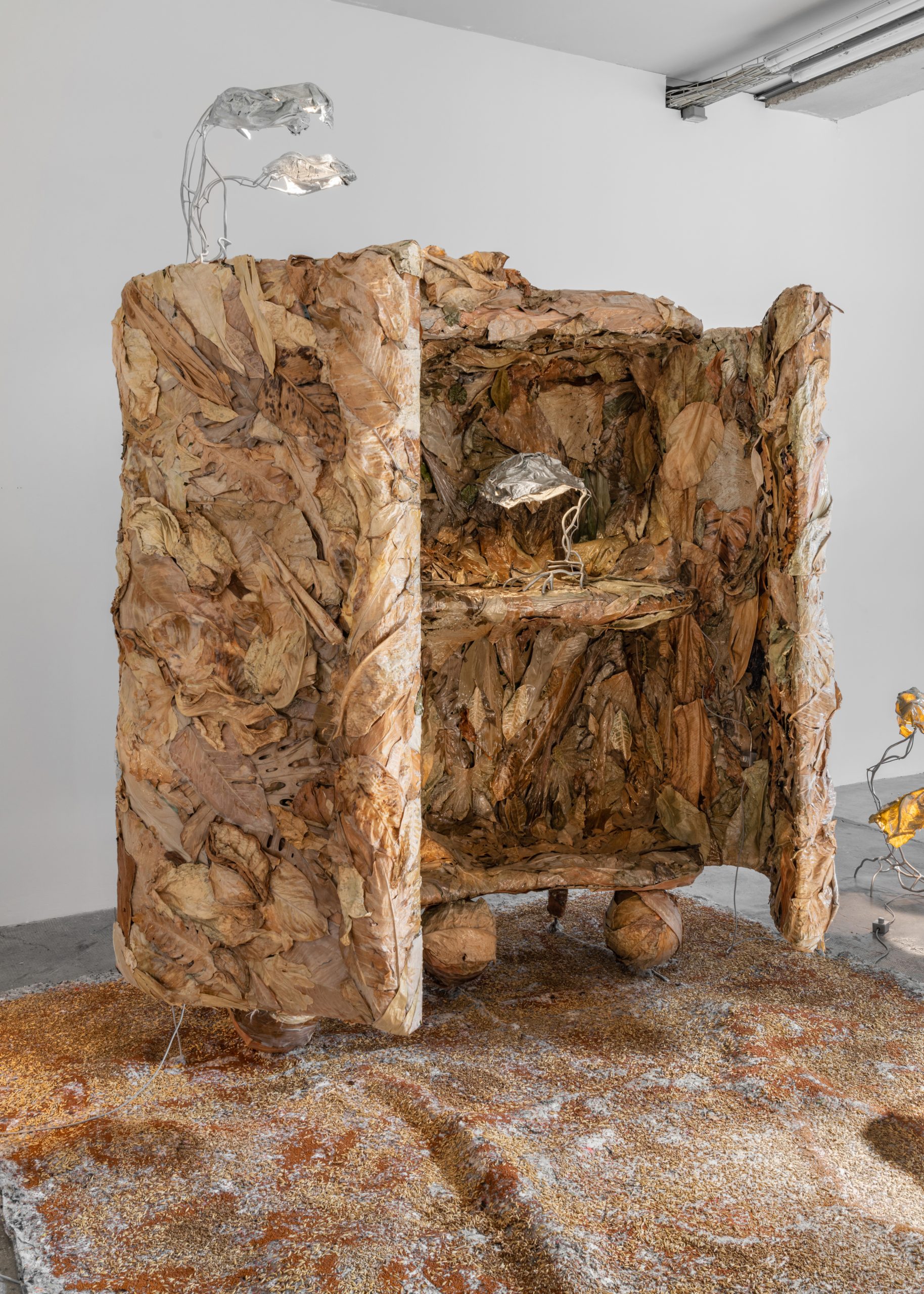
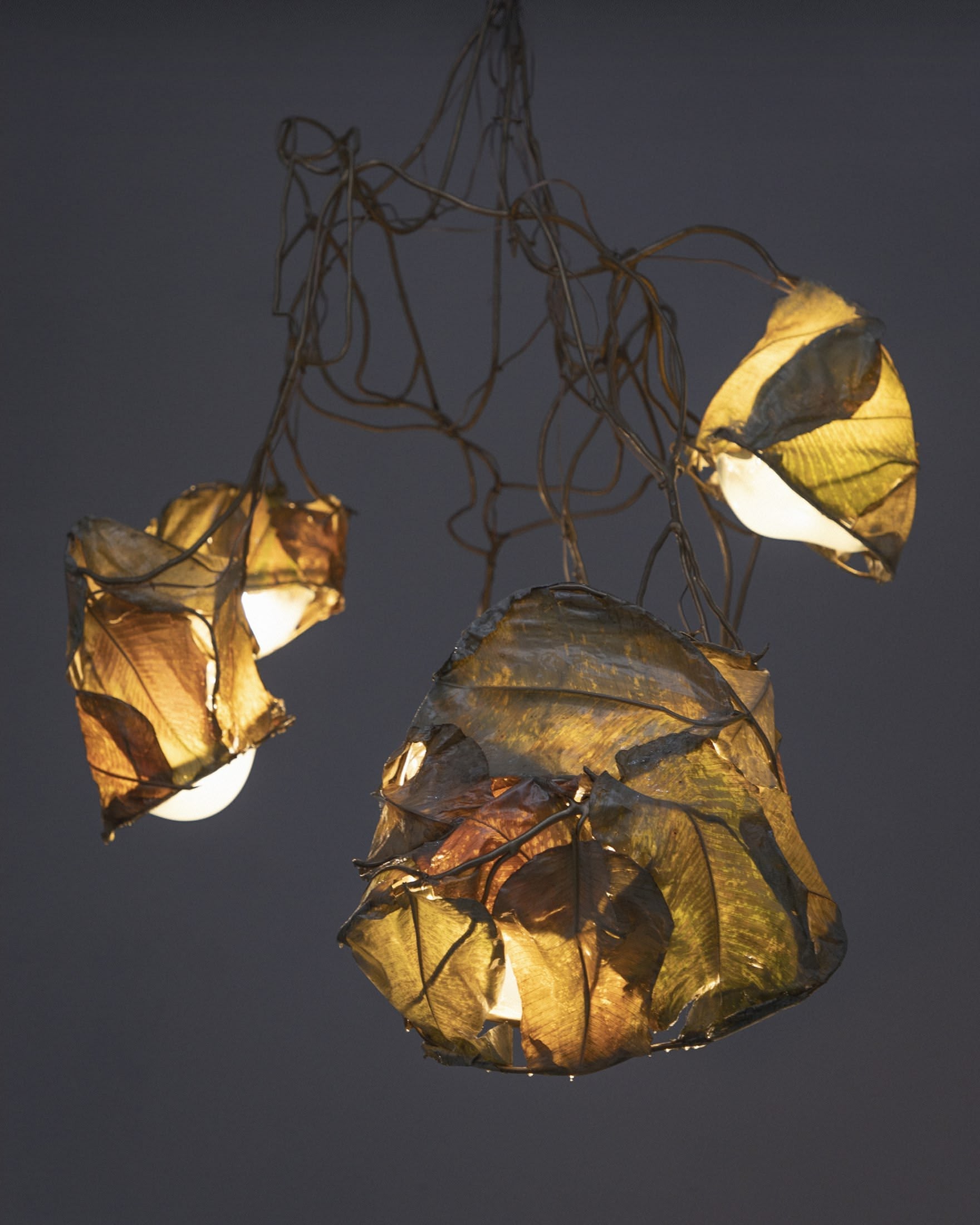
Artefacts with unique perishable qualities mirror the preserved world of Victor Horta’s house, offering a poetic interpretation of classical household typologies. From Perishable Vases and sculptures made using waste flowers and natural binders such as beeswax and shellac, to large cabinets clad with real tropical leaves, the pieces reflect a full spectrum of ephemerality, spanning from preservation to decay. Allowing nature to dictate the processes and outcomes of each piece with minimal interference, we have experimented with the processes of deconstruction, renewal and reconstruction, highlighting the impermanence of objects and, therefore, our unique relationship with them.
[ img ]
PN1803
[ img ]
PN1804
[ img ]
TS1701. Transitional Vase (detail)
[ img ]
TS1701. Transitional Vase
[ img ]
Exhibition view

Works included

SHOW ALL
  • NOT1800

    Nature Of Things
    Perishable Vases: selected and processed waste flowers, organic binders (shellac, tree resins, beeswax, flour, sugar, sand, clay); Incubator: Aluminium, acrylic, watering and heating system, enzyme and bacteria container.
    cmH: 170 W: 240 D: 80
    inH: 66.9 W: 94.5 D: 31.5
  • NOT1802

    Nature Of Things
    Selected and processed waste flowers, shellac, found metal, steel, reinforced glass.
    cmH: 200 W: 290 D: 70
    inH: 78.7 W: 114.2 D: 27.6
  • P2101

    Perma
    Selected and processed real flowers and leaves, resin.
    cmH: 40 W: 120 D: 75
    inH: 15.7 W: 47.2 D: 29.5
  • P1802

    Perma
    Selected and processed real flowers and leaves, resin.
    cmH: 160 W: 105 D: 56
    inH: 63 W: 41.3 D: 22
  • P1801

    Perma
    Selected and processed real flowers and leaves, resin.
    cmH: 138 W: 154 D: 84
    inH: 54.3 W: 60.6 D: 33.1
  • PN1804

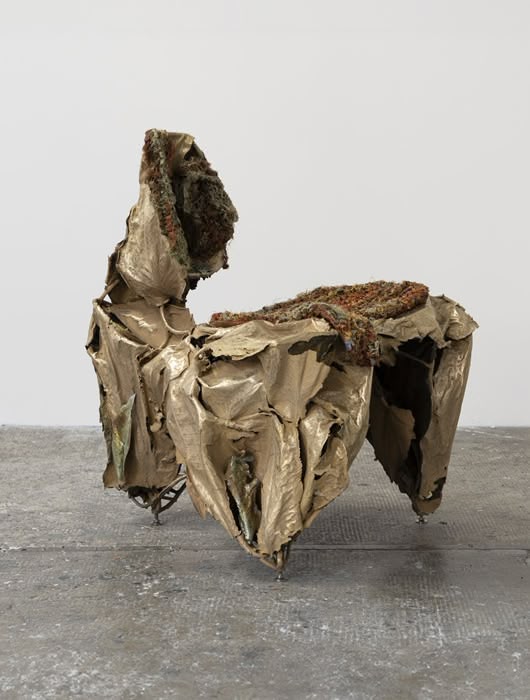
    Protoplasting Nature
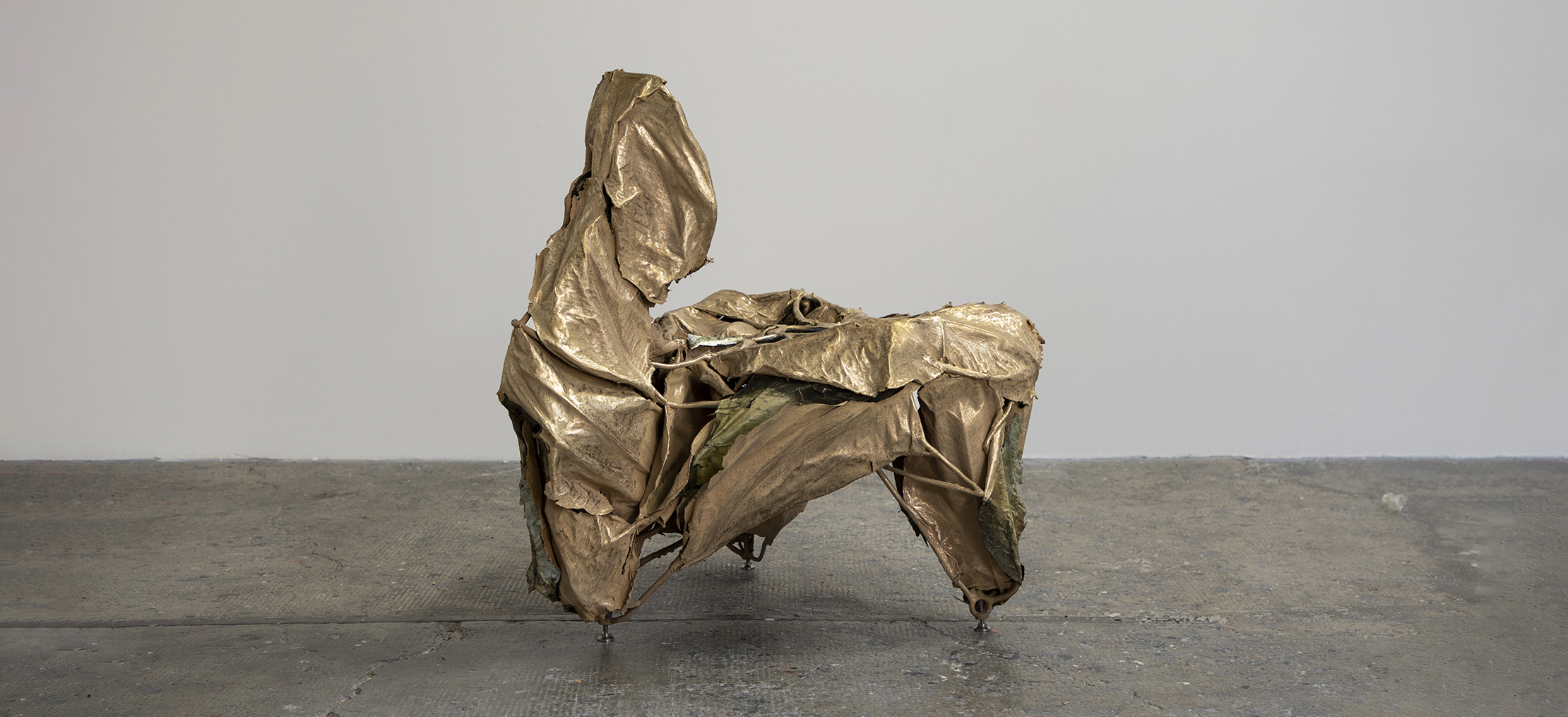
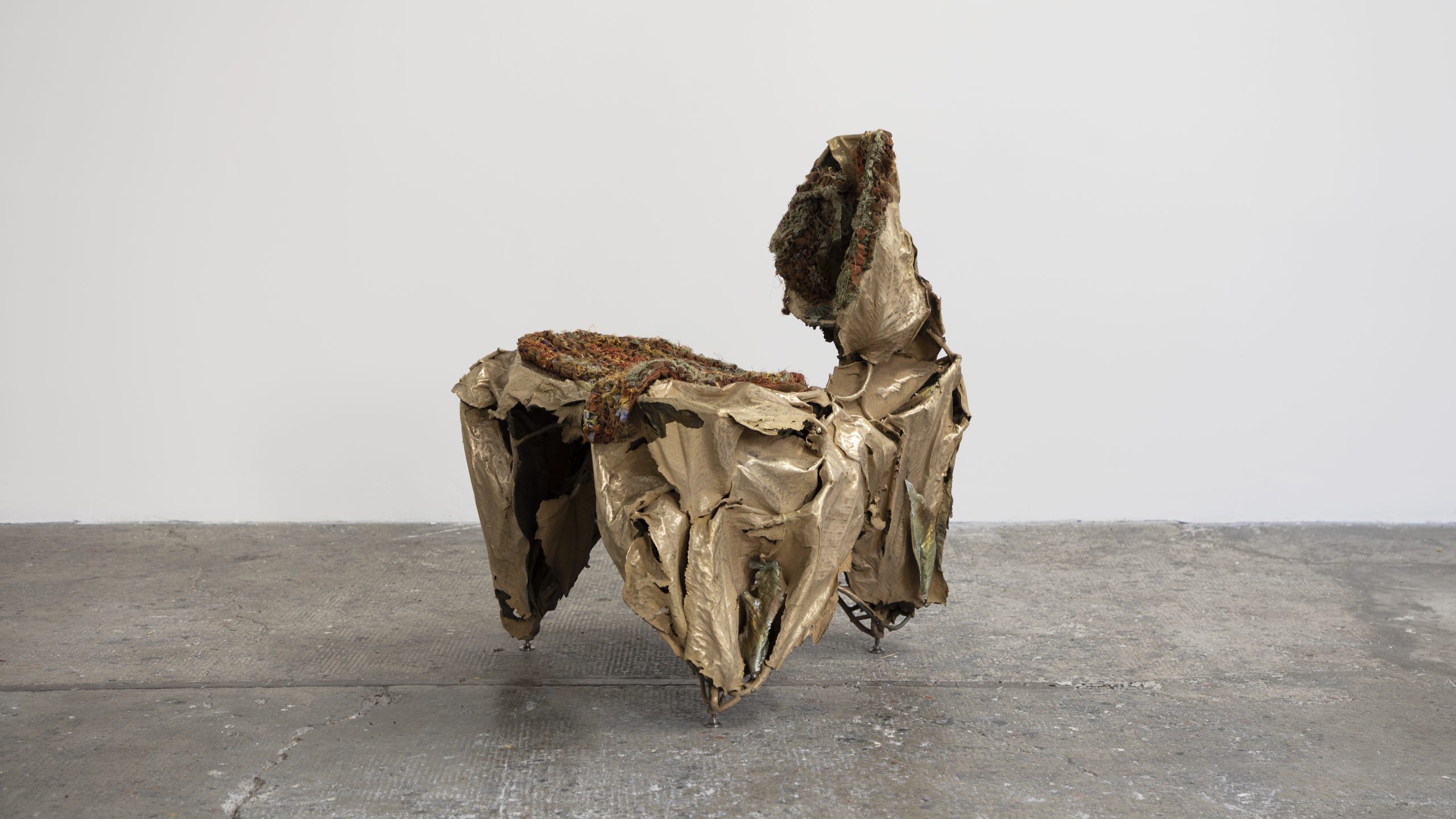
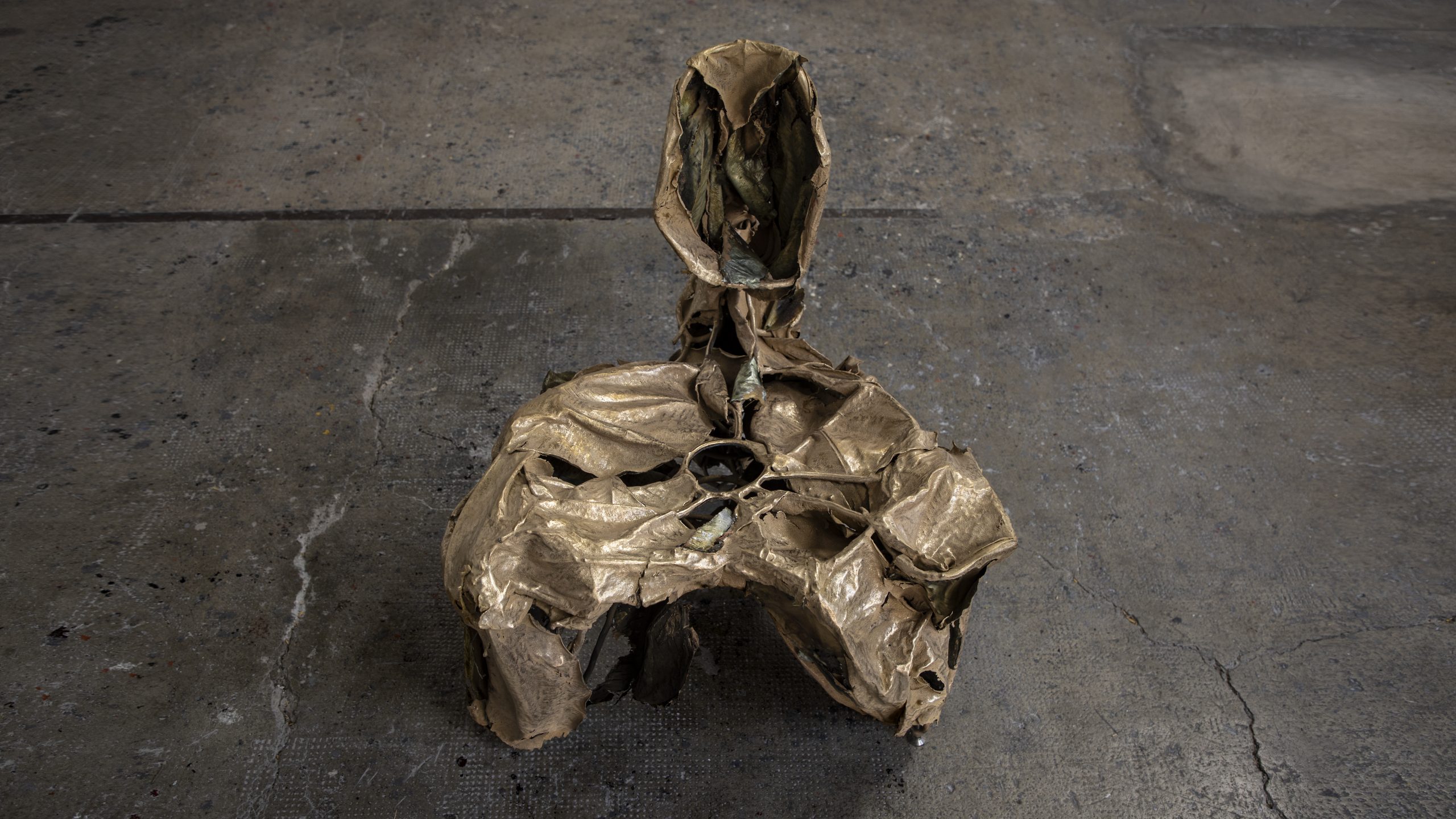
    Selected and processed leaves, resin, steel.
    cmH: 211 W: 250 D: 107
    inH: 83.07 W: 98.4 D: 42.12

Collaborators

LCA-CRT CATAR CRITT
Agroressources
Laury-Hann Briere (Researcher)


Photo credits

Marcin Rusak Studio

Location

Victor Horta Museum, Brussels, Belgium
LCA-CRT CATAR CRITT
Agroressources
Laury-Hann Briere (Researcher)


Marcin Rusak Studio

Jerwood Foundation

28 June—27 August 2017, Jerwood Space, London

[ img ]
NOT1701
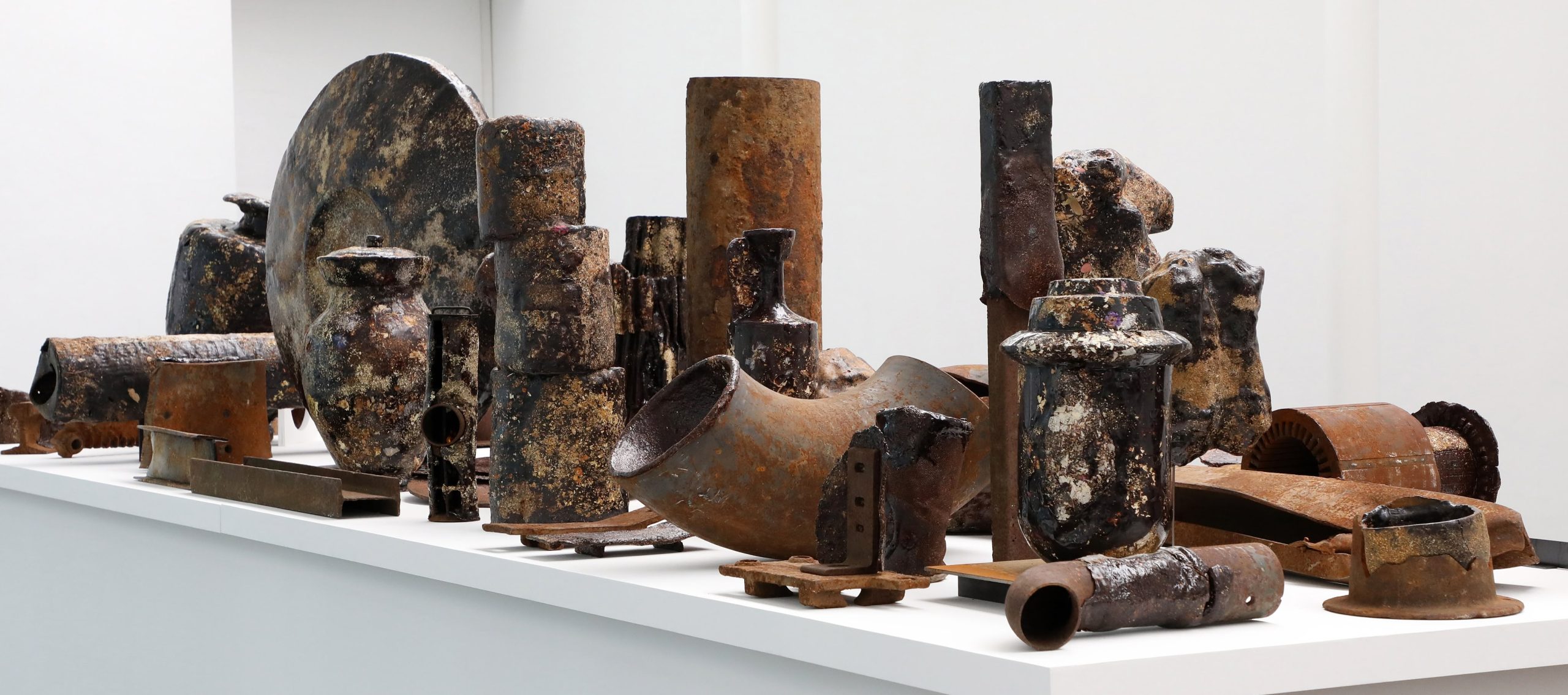
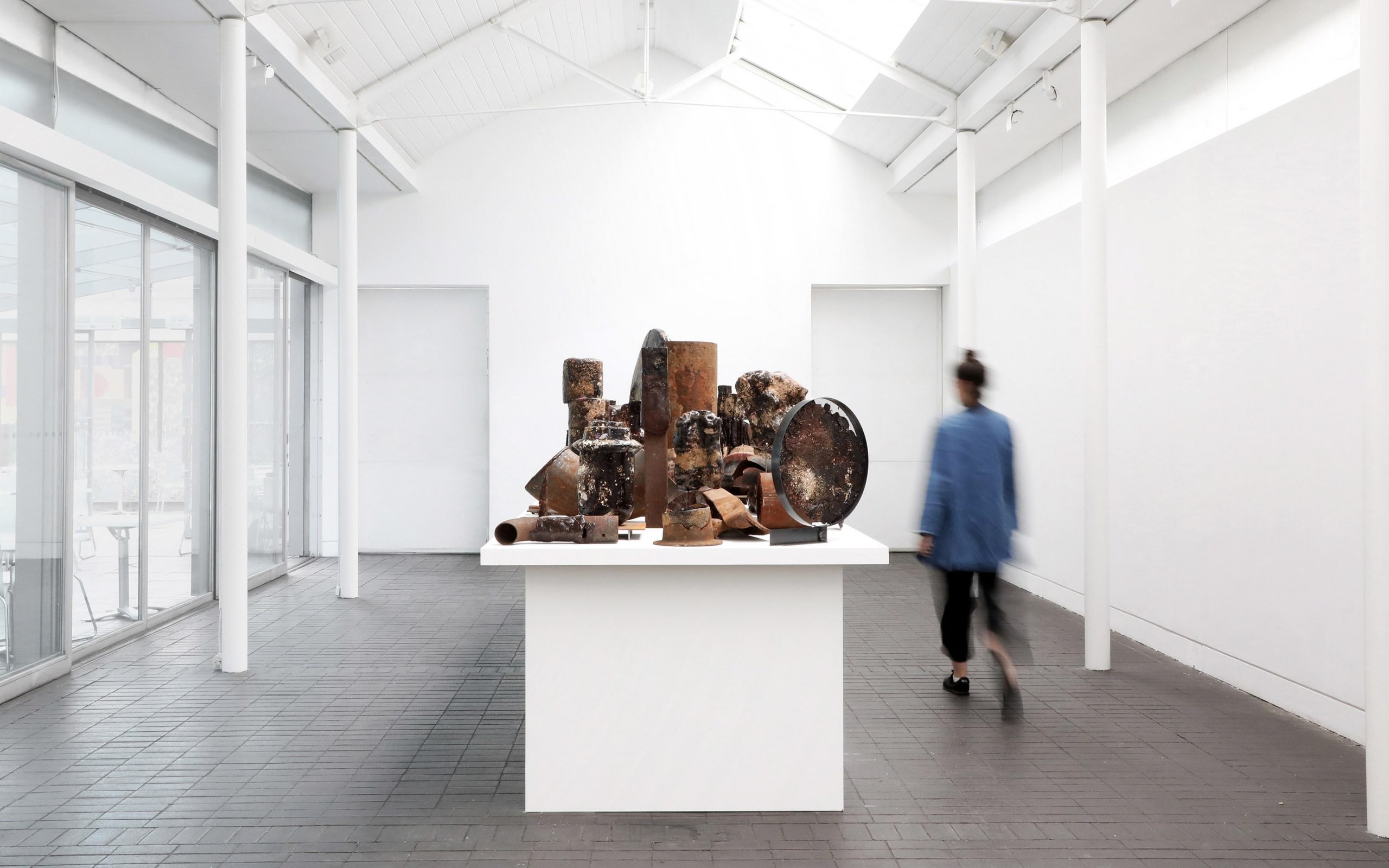
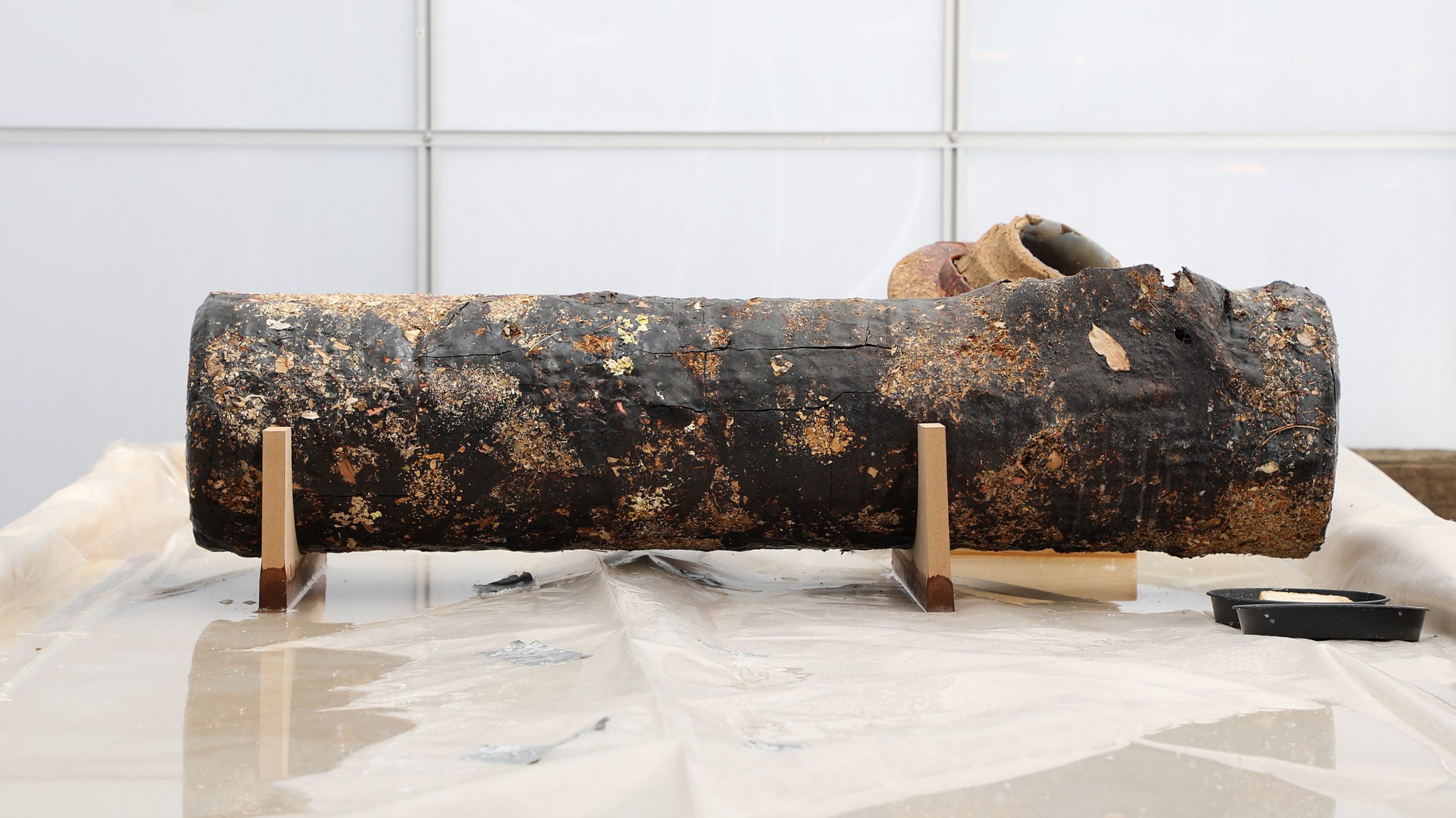
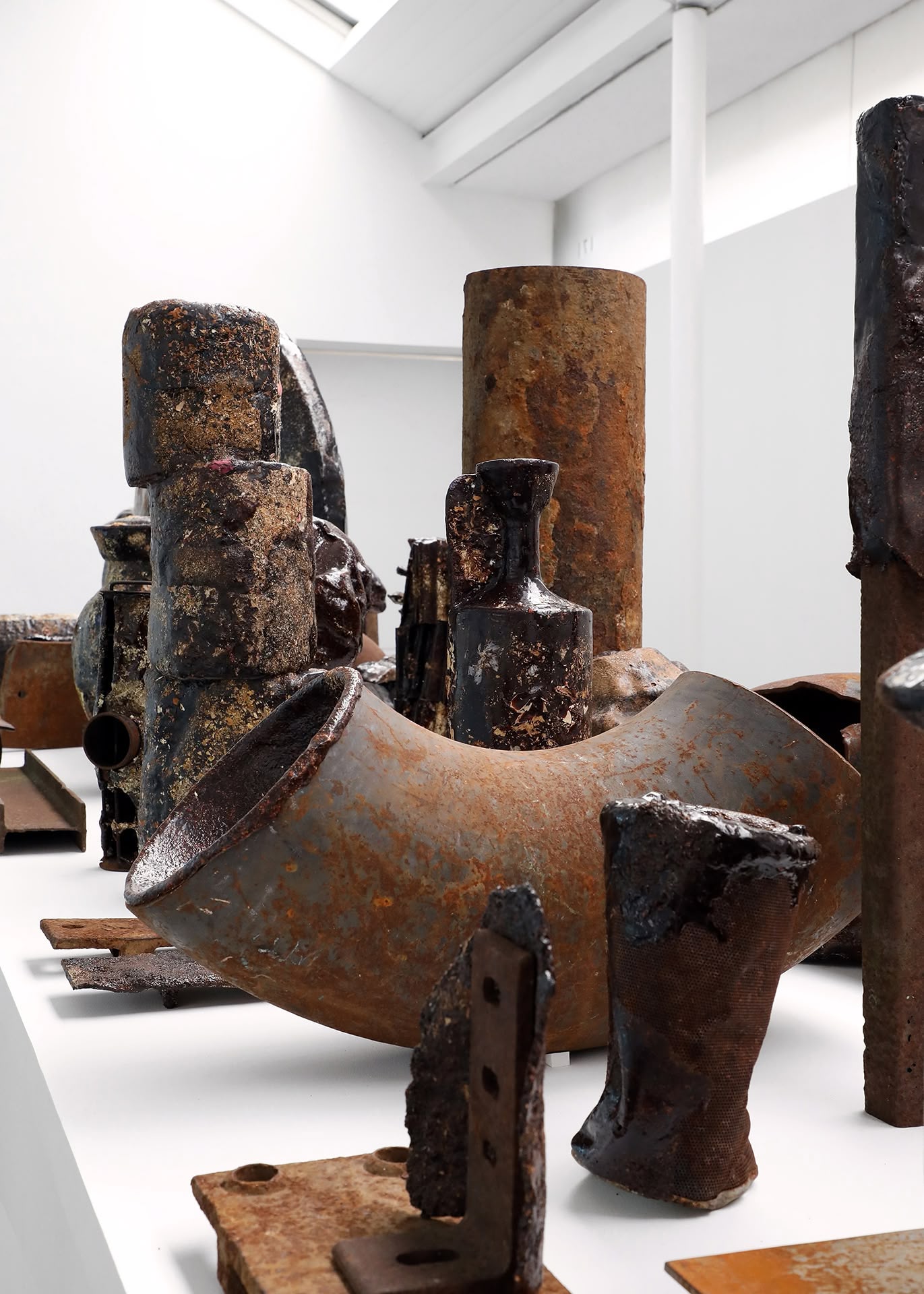
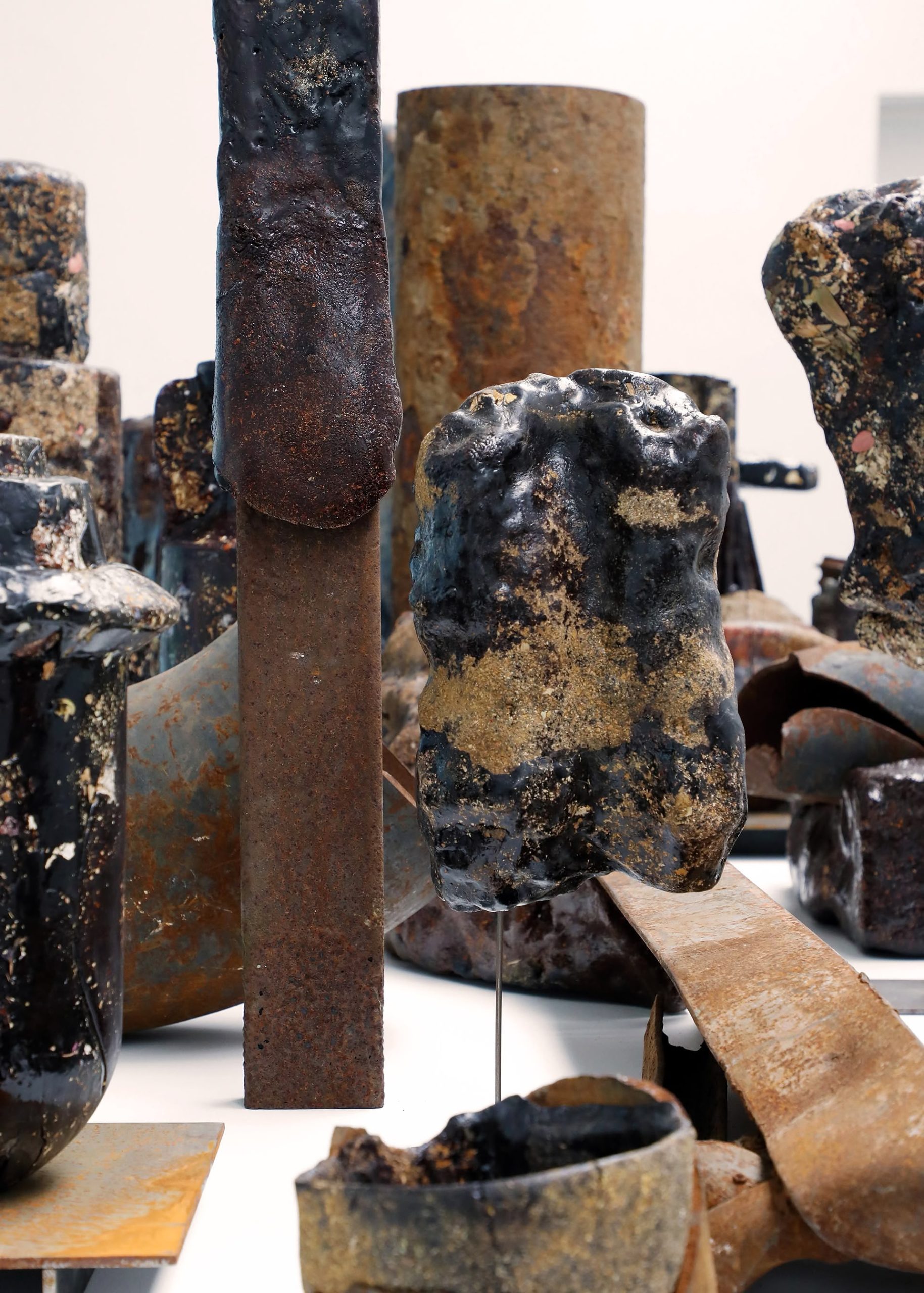
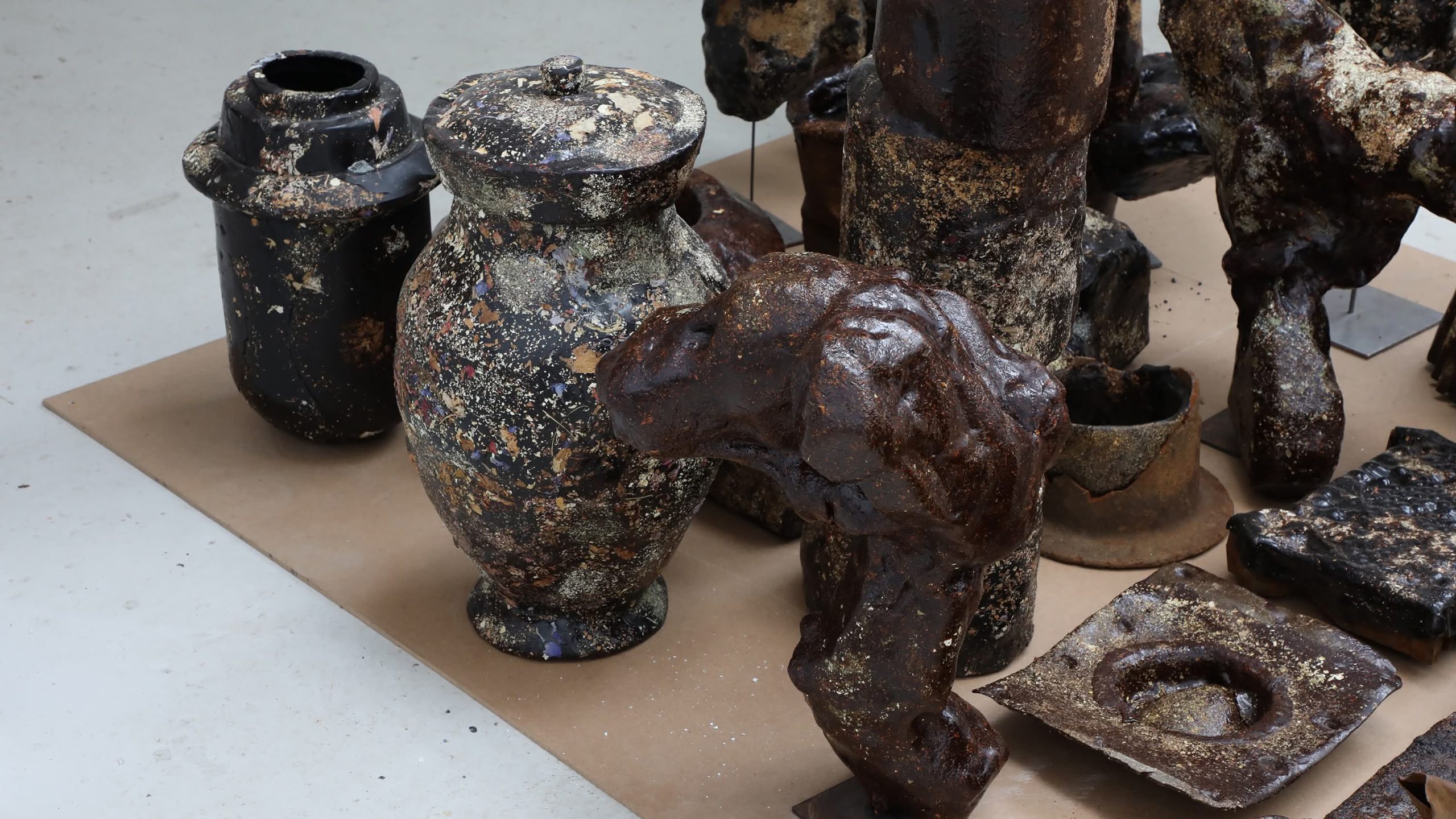
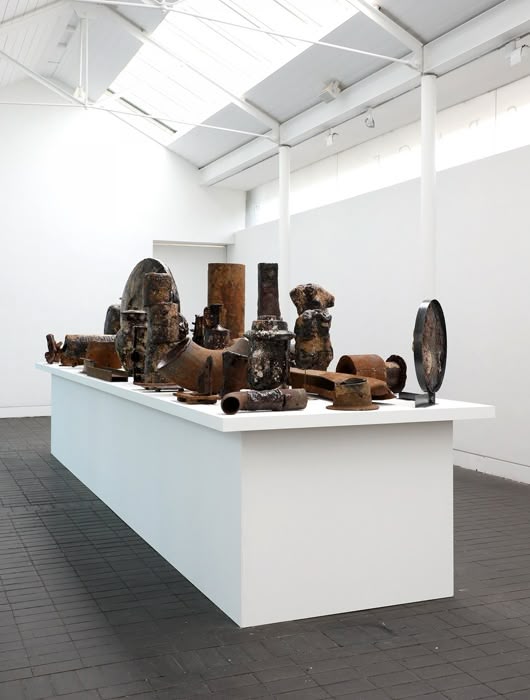
Juxtaposed with corroding found metal elements, the installation consists of forty sculptural objects that negotiate the inherent perishability of matter. The shapes of the pieces reference domestic items and architectural forms at different stages of decay, creating a symbolic alternative universe where the process of decay is regarded as progression.
The title of the exhibition, “Nature of Things”, comes from a collection of poems by Francis Ponge, in which commonplace objects carry a philosophical charge.
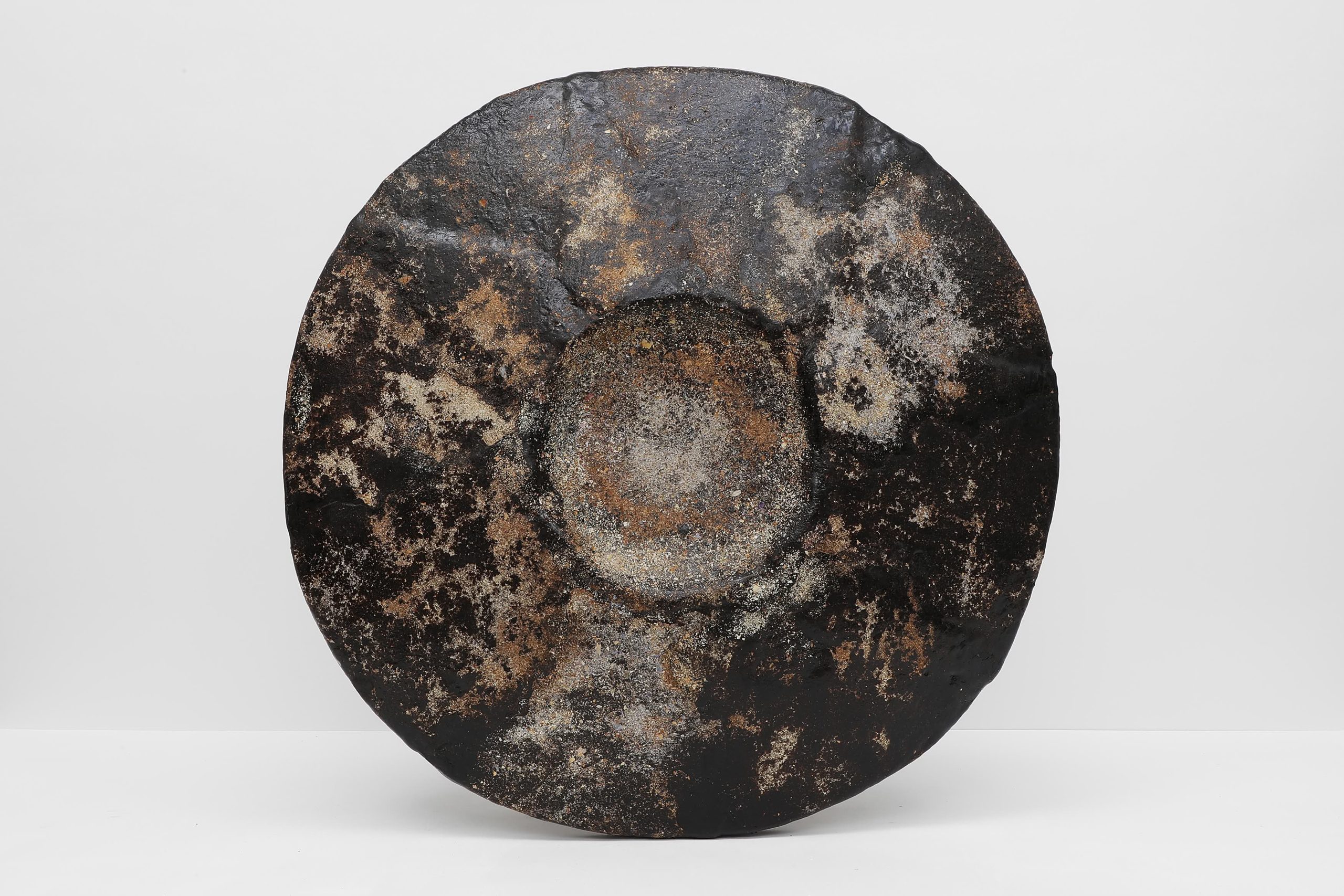
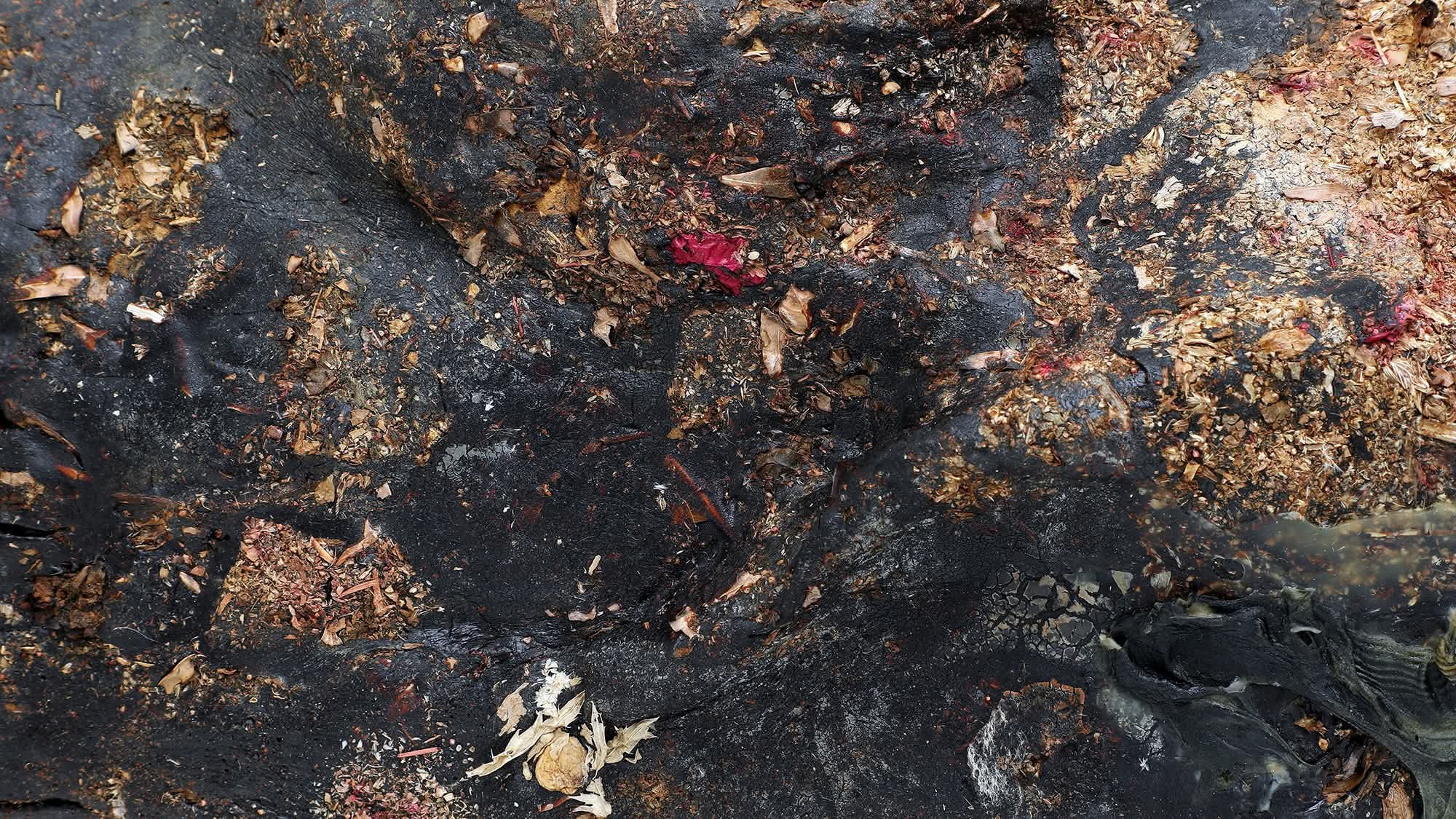
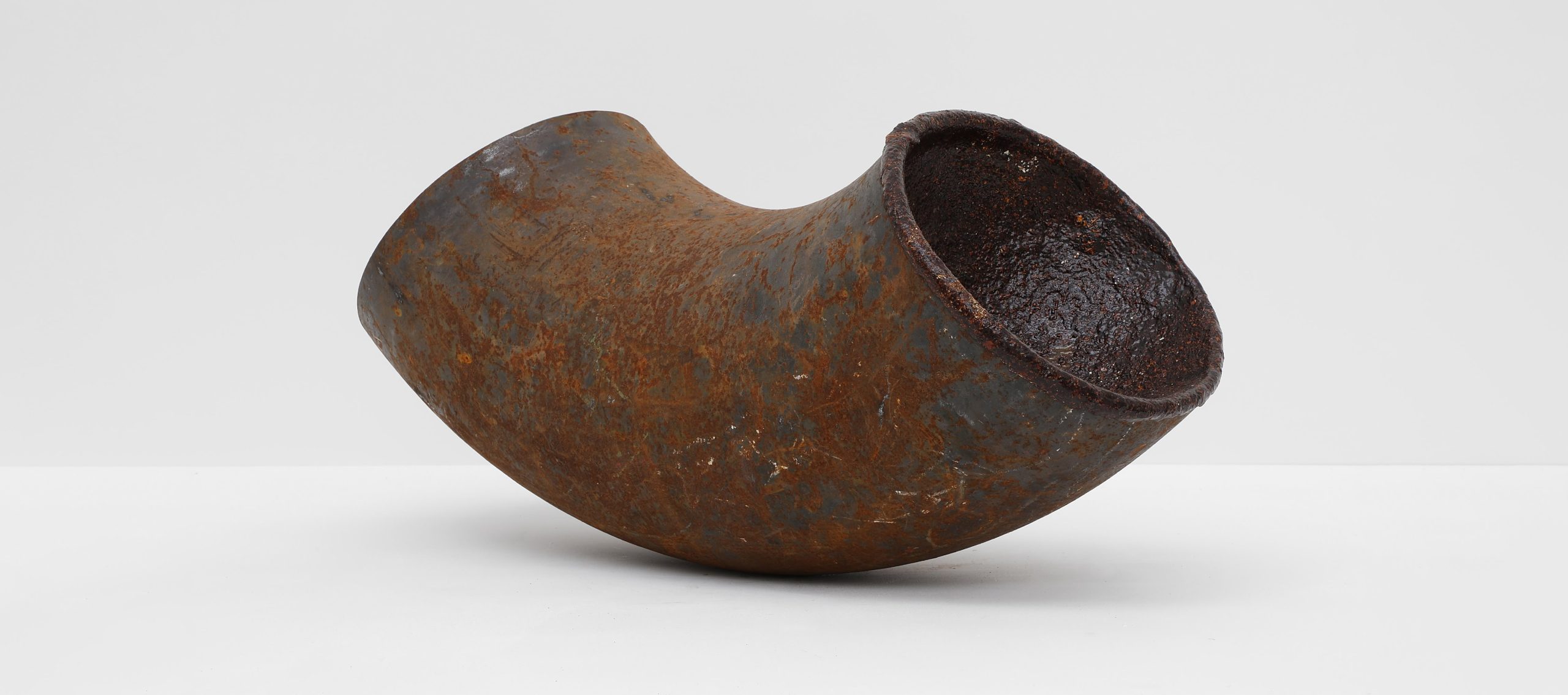
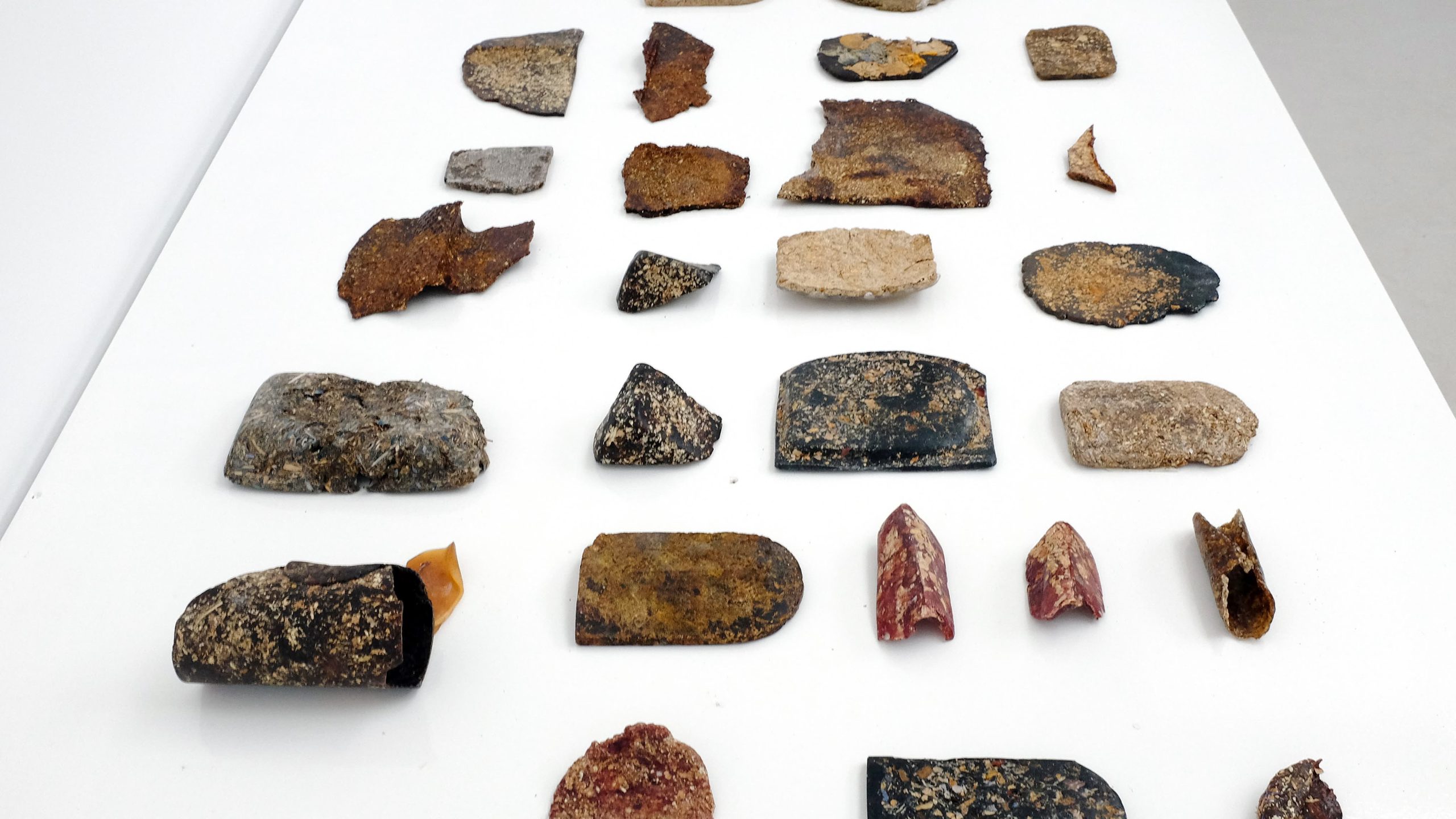
Each sculptural item was made of waste flowers combined with shellac, beeswax, and other natural, brittle and biodegradable materials. When looking for forms to juxtapose with the perishable material we developed, we searched for discarded metal objects, imagining that these would offer a contrasting idea of permanence. In fact, we discovered that metal, too, is ephemeral: corroding, rusting and crumbling with a similar beauty.
The installation showcased throughout a series of exhibitions organised by the Jerwood Foundation reflected on the contemporary consumer culture, exposing and embracing the processes of decay, destruction, renewal, and reconstruction through these perishable and ephemeral objects. It also stimulated questions about history and future scenarios for making.
Experimenting with the processes of deconstruction, we wanted to focus on the impermanence of objects and, therefore, our unique relationship with them. The installation initiated this almost uncomfortable desire to preserve them – a non-physical relation which lasts as long as we consciously foster it. We strongly believe that the objects we value will outgrow the everyday and become representatives of our times.

Works included

SHOW ALL
  • NOT1800

    Nature Of Things
    Perishable Vases: selected and processed waste flowers, organic binders (shellac, tree resins, beeswax, flour, sugar, sand, clay); Incubator: Aluminium, acrylic, watering and heating system, enzyme and bacteria container.
    cmH: 170 W: 240 D: 80
    inH: 66.9 W: 94.5 D: 31.5
  • NOT1801

    Nature Of Things
    Selected and processed waste flowers, shellac, found metal.
    cmW: 600 D: 150
    inW: 236.22 D: 59.05
  • NOT1802

    Nature Of Things
    Selected and processed waste flowers, shellac, found metal, steel, reinforced glass.
    cmH: 200 W: 290 D: 70
    inH: 78.7 W: 114.2 D: 27.6

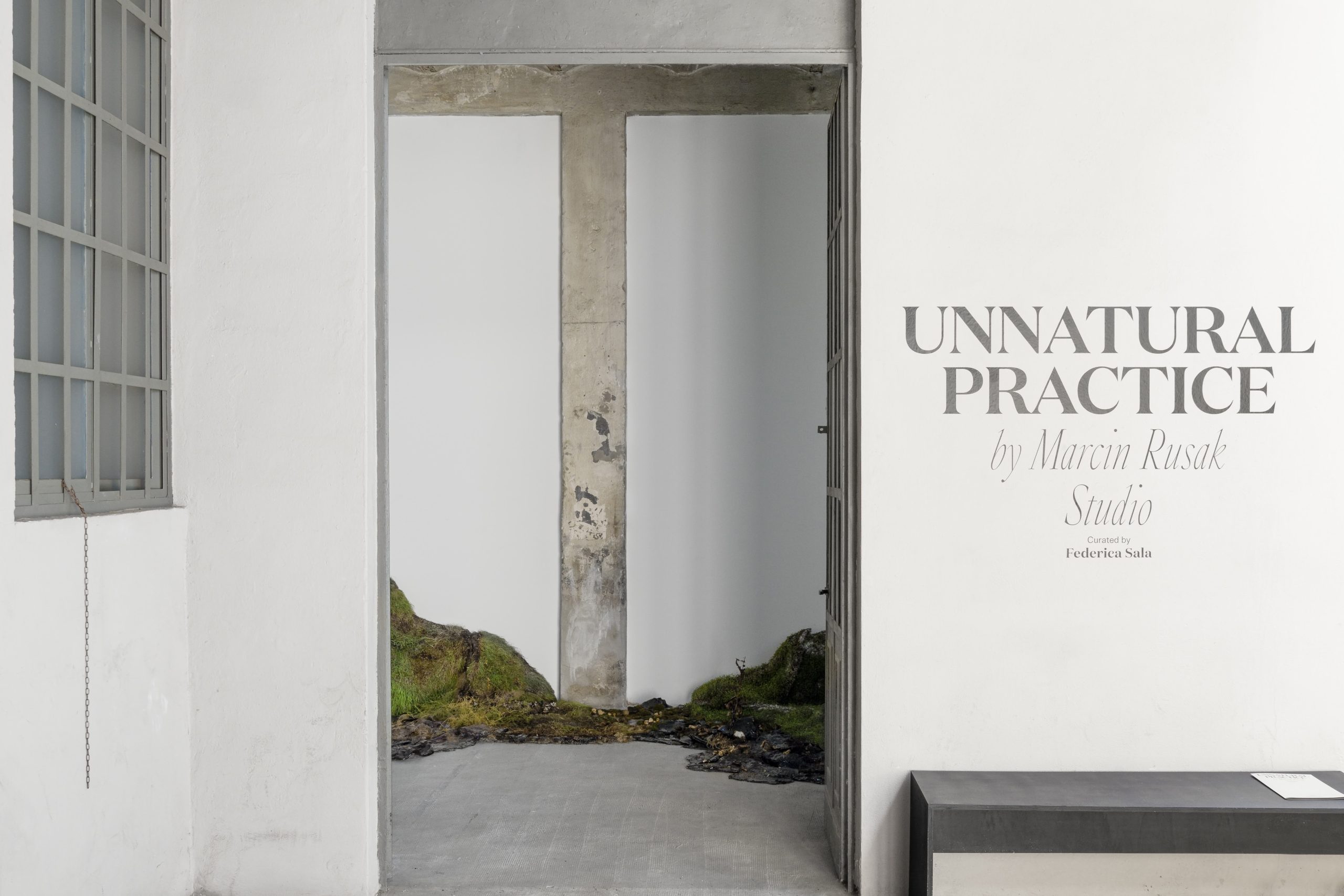
Unnatural Practice

September 5–10, 2021, Milan, Italy

[ img ]
Living Archive: a petrified fragment of the studio’s ongoing investigations
Conceived as a petrified fragment of the studio’s ongoing investigations, Unnatural Practice presents the profound insights gained from our ongoing research and development phases, which inform and shape our work. Showcasing the studio’s most recent works along with archival and “in progress” pieces that together create a Living Archive, the exhibition marks the studio’s debut at the Milan Design Week 2021.
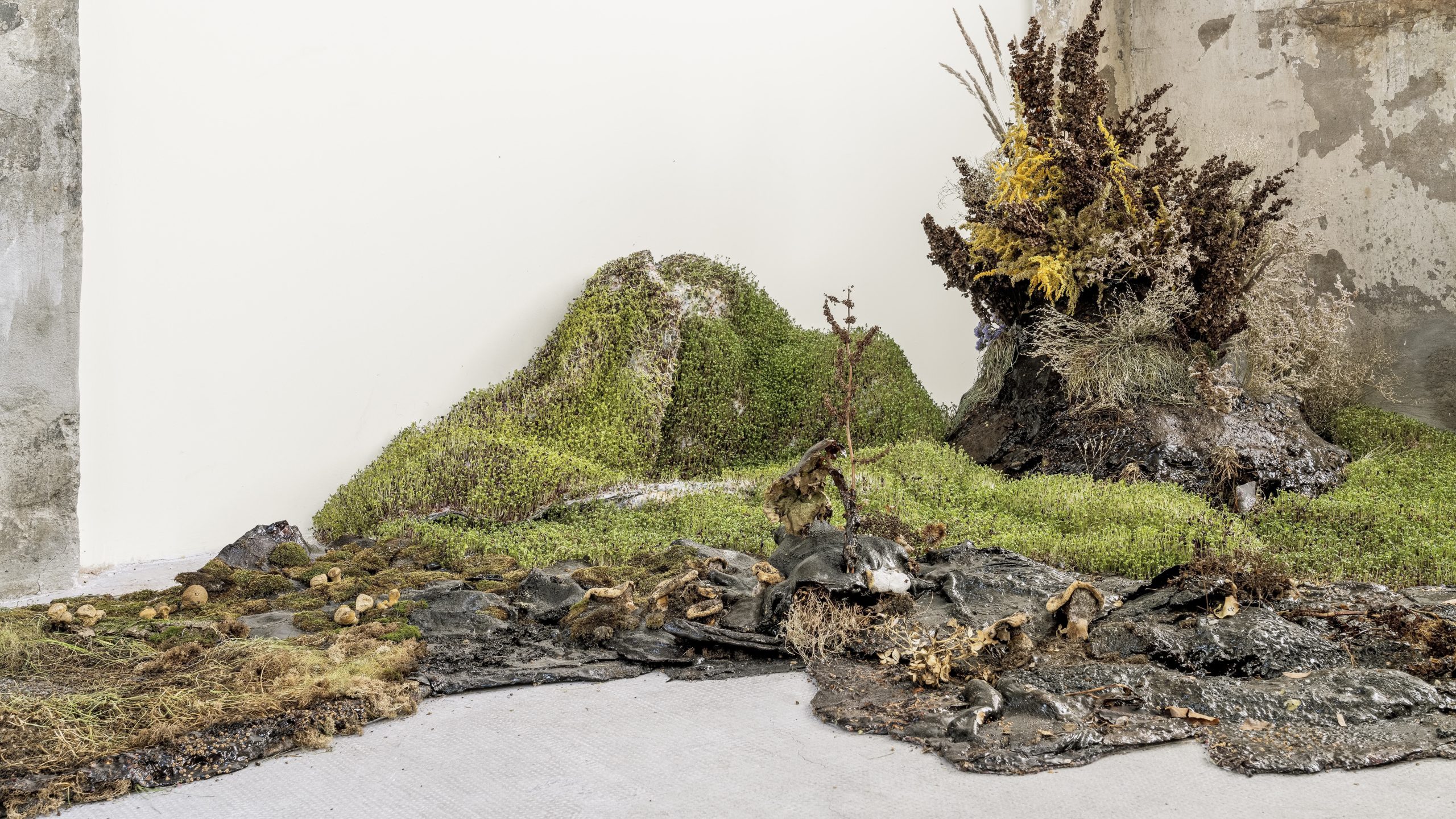
The ephemeral installation at the entrance of the exhibition visualises the origins of Marcin’s work, his family history and the childhood memory of being surrounded by abandoned greenhouses. It leads to the main space of the exhibition, inviting visitors to pass through the ephemerality of nature. Inside, a collection of perishable works explores nature’s perpetual cycles of renewal and degradation, showcasing the process of decay of the artworks as much as their final results. The consistently manipulated materials and forms characterise a tangible nature inside Marcin’s objects.
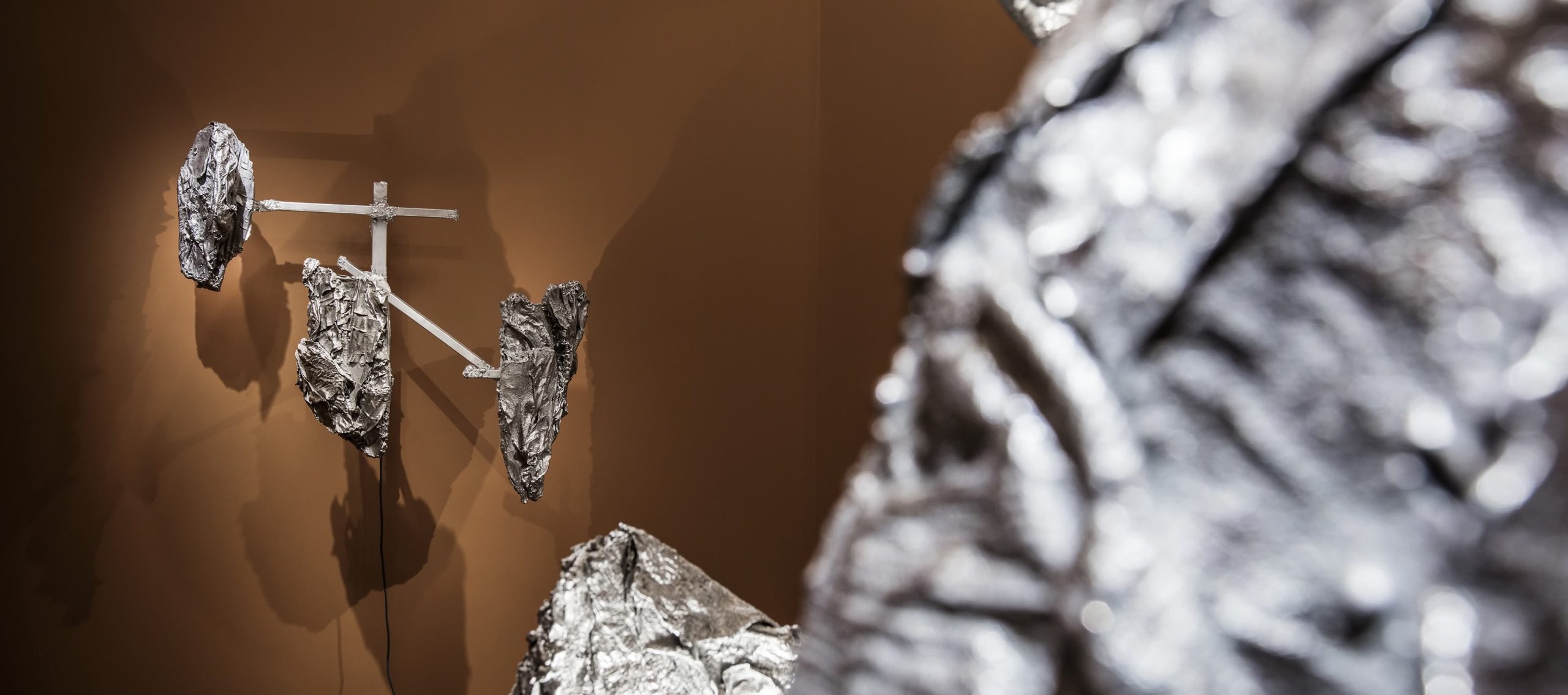
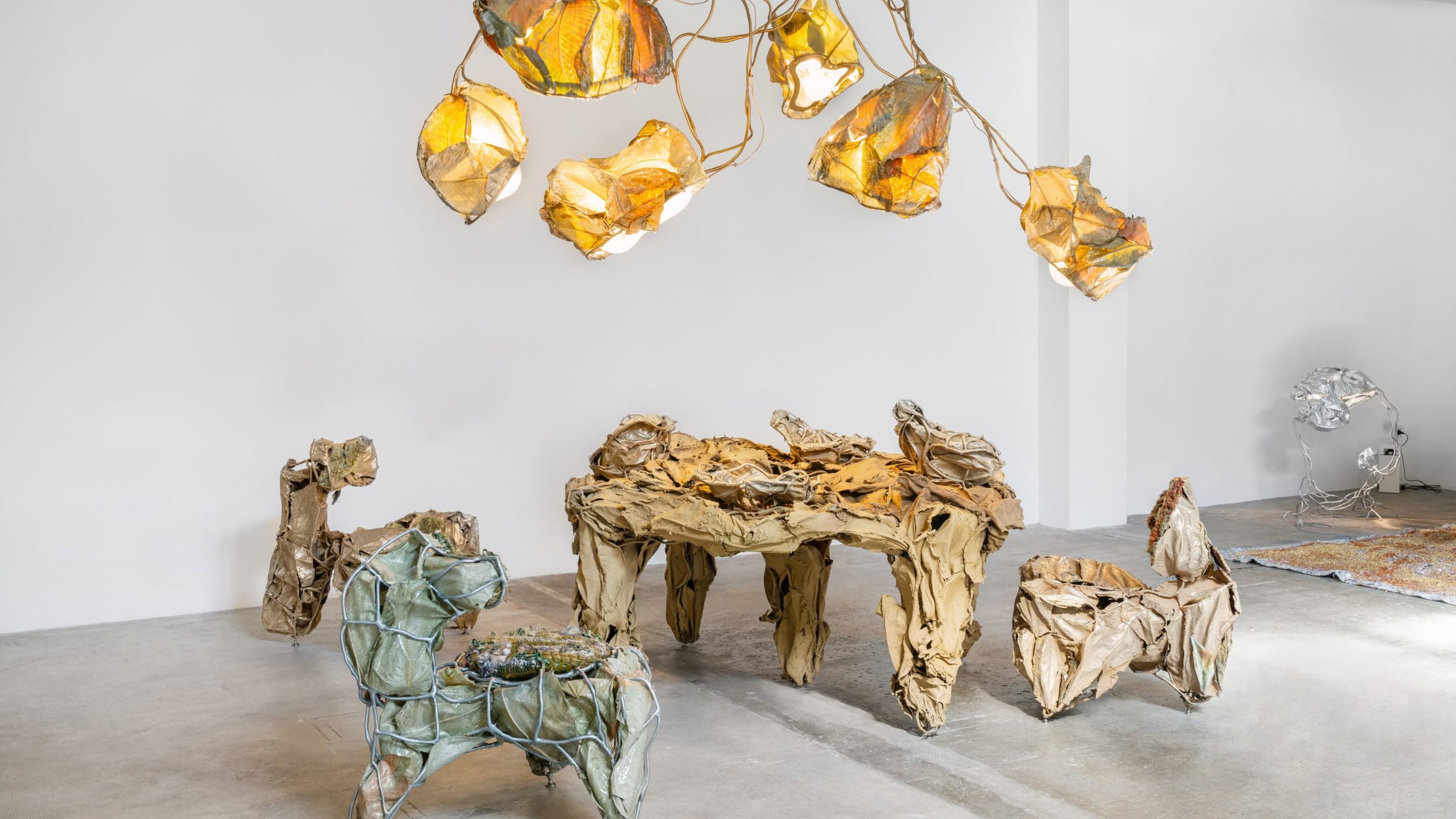
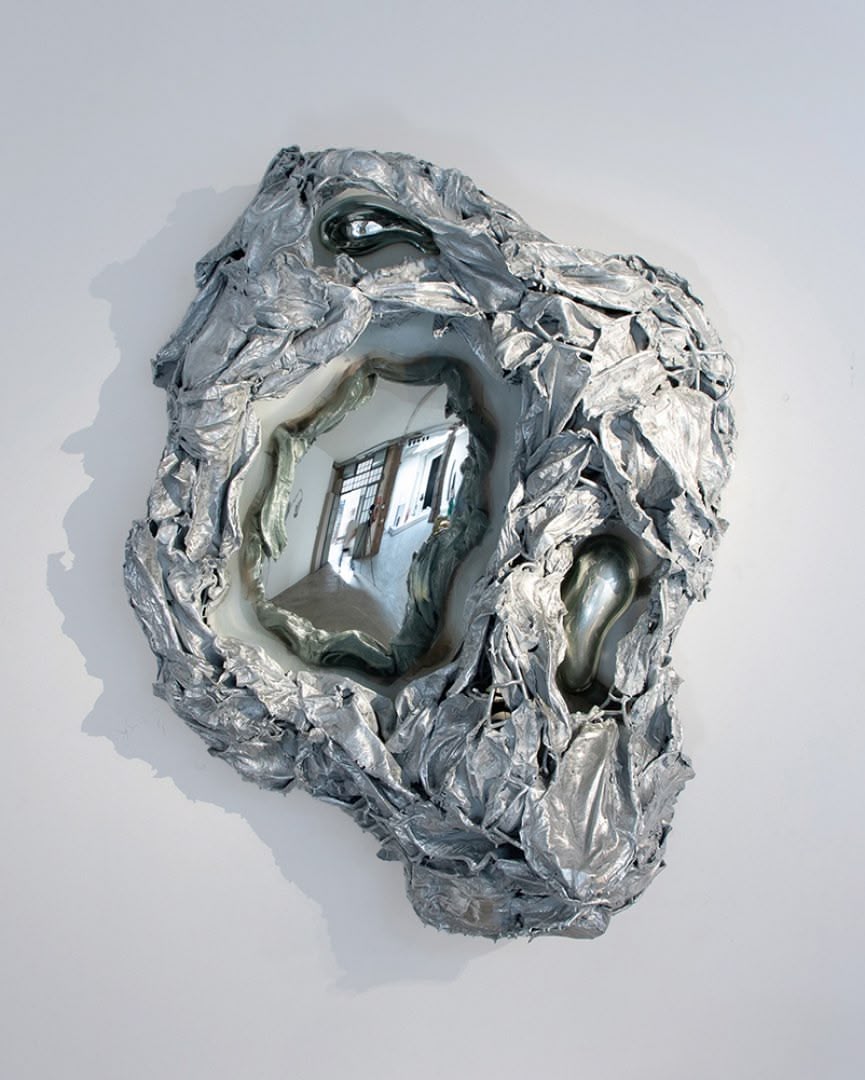
From the Proustian sublimation of decay in the very first examples of Perishable Vases, to the Protoplasting Nature, where vegetal elements, petrified in metal or resin, provide a formal and material reinterpretation of the Art Nouveau period, advancing a new conceptual framework, natural elements are implemented into a series of narrative, rather than purely functional, objects. Exploring the dichotomy between perishability and permanence, the show is staged as a living environment where our projects transform in real time.
Collecting and dissecting, crystallising and destroying the natural elements, we give them a new life, simultaneously transforming them into effigies of themselves. 
This process of temporal crystallization might seem an aesthetic path, but it is, in reality, an elegy of the intrinsic movement of life and nature, whose elements, though suspended in time, continue to decay with a slow trajectory that teaches us the passage of time and the value of its mutation, forming a great living ecosystem of objects that, with time, becomes the basis for a subsequent metamorphosis.
Tackling the topics related to the entire lifecycle of plants, their journey as commodities and potential as raw materials, the exhibition is guided by an invisible, olfactory path specially prepared by synaesthetic perfumer Barbabe Fillion. Commissioned to reinterpret the motifs found in the materiality of our creations, the scents of Flora, Zinc, and Decay were used to create a unique sensory choreography. Complementing the visual experience and enhancing the “living” element of the pieces, the scents are treated as if they were physical objects made of compositions of materials and processes.
[ video ]
PN2104
Concluding the narrative, a short film directed by Aga Beaupre focuses on the artist’s poetic research and his persistent investigation of certain ancestral queries of human existence. Depicting the opposing concepts of origin and end, conservation and decay, it presents the extremities of metaphorical arc in tension, inside which the greater enigma of life is inscribed.

Works included

SHOW ALL
  • FT1401

    Flowering Transition
    Nylon, anodised aluminium, glass.
    cmH: 170 W: 50 D: 50
    inH: 66.9 W: 16.7 D: 16.7
  • PN2102

    Protoplasting Nature
    Selected and processed leaves, resin, reflectice glass, zinc, steel.
    cmH: 190 W: 130 D: 40
    inH: 74.8 W: 51.2 D: 15.75
  • PN2106

    Protoplasting Nature
    Selected and processed leaves, resin, bronze, steel.
    cmH: 83 W: 80 D: 73
    inH: 32.7 W: 27 D: 51. 28.7
  • FL2002

    Flora
    Selected and processed real flowers and leaves, resin.
    cmH: 190  W: 28  D: 45
    inH: 74.8  W: 11  D: 17.7
  • Glaes 01

    Selected and processed real flowers and leaves, resin.
    cmH: 68 W: 27 D: 18
    inH: 26.8 W: 10.6 D: 7.1
  • PN1804

    Protoplasting Nature
    Selected and processed leaves, resin, steel.
    cmH: 211 W: 250 D: 107
    inH: 83.07 W: 98.4 D: 42.12

Year

2021

Curated by

Federica Sala

Team

Marcin Rusak
Tamara Pilawska Baranowska
Aga Beaupre
Sotiris de Wit
Barnabe Fillion
Igor Jansen
Marcel Kaczmarek
Dominik Karasiński
Ivo Krankowski
Olga Michaluk
Justyna Stasiowska
Mateusz Wappa

Photo credits

DSL Studio
Marcin Rusak Studio

Location

Milan, Italy
Marcin Rusak
Tamara Pilawska Baranowska
Aga Beaupre
Sotiris de Wit
Barnabe Fillion
Igor Jansen
Marcel Kaczmarek
Dominik Karasiński
Ivo Krankowski
Olga Michaluk
Justyna Stasiowska
Mateusz Wappa
DSL Studio
Marcin Rusak Studio

Vas Florum: Resina Botanica

May 7–31, Carpenters Workshop Gallery, New York

[ img ]
All images courtesy of Benjamin Baccarani
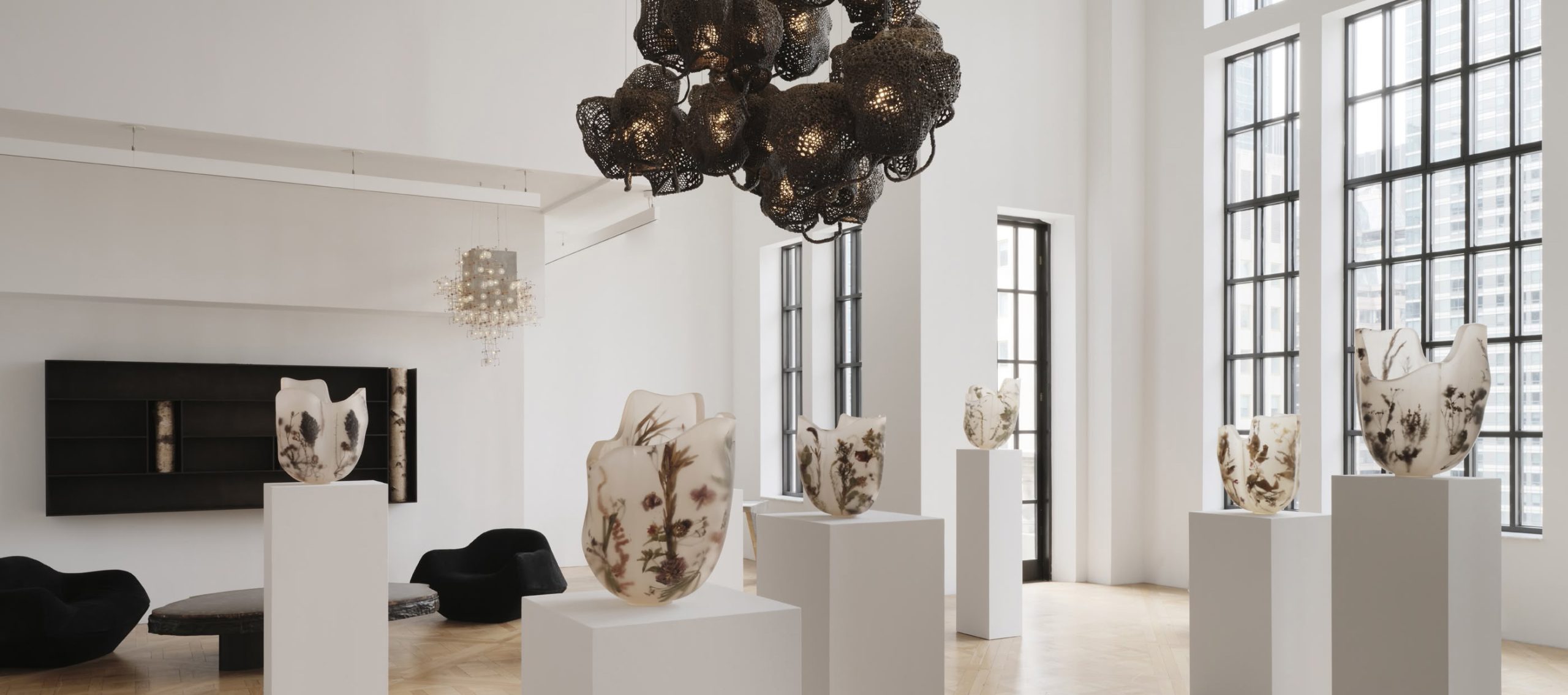
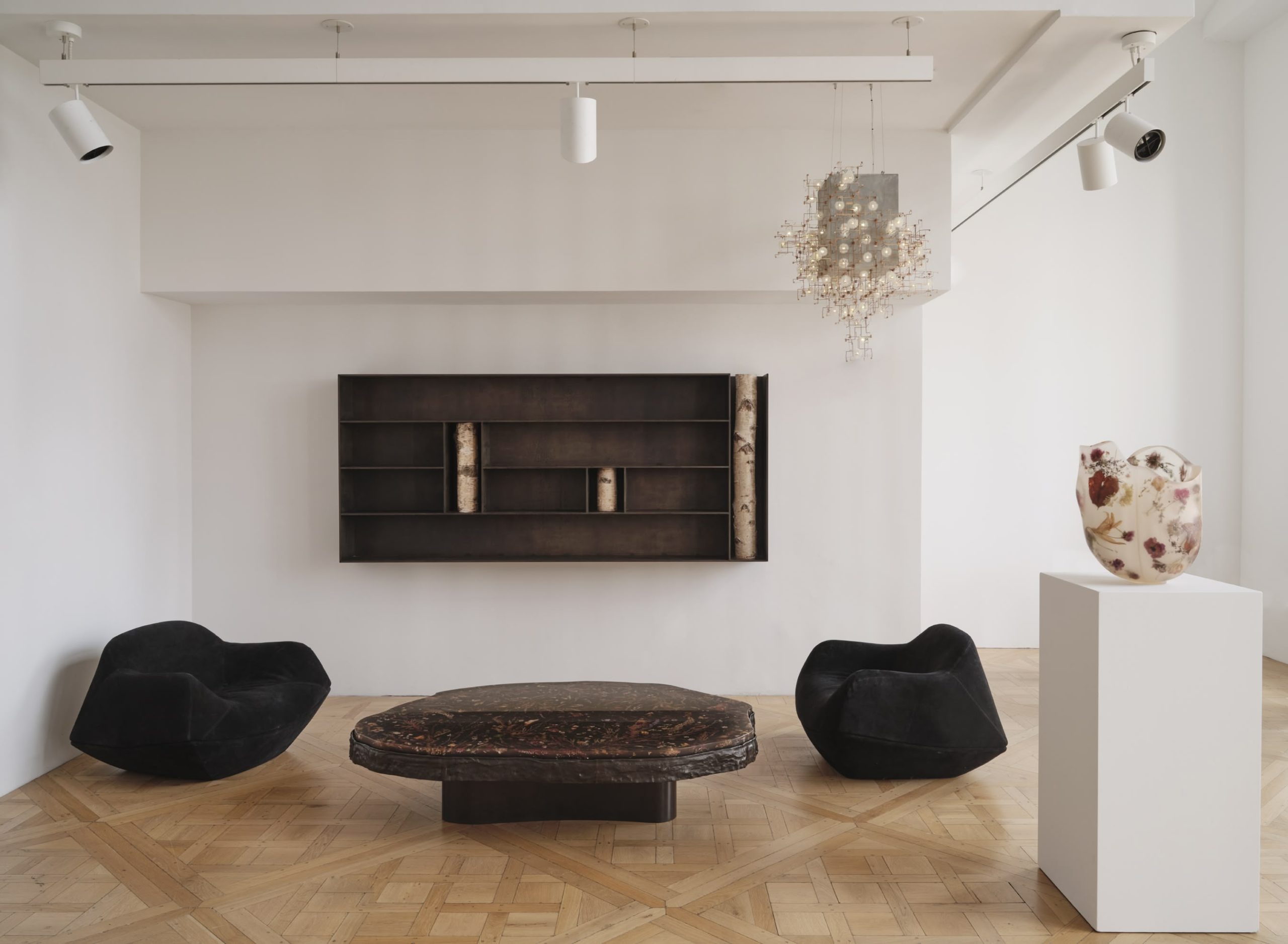
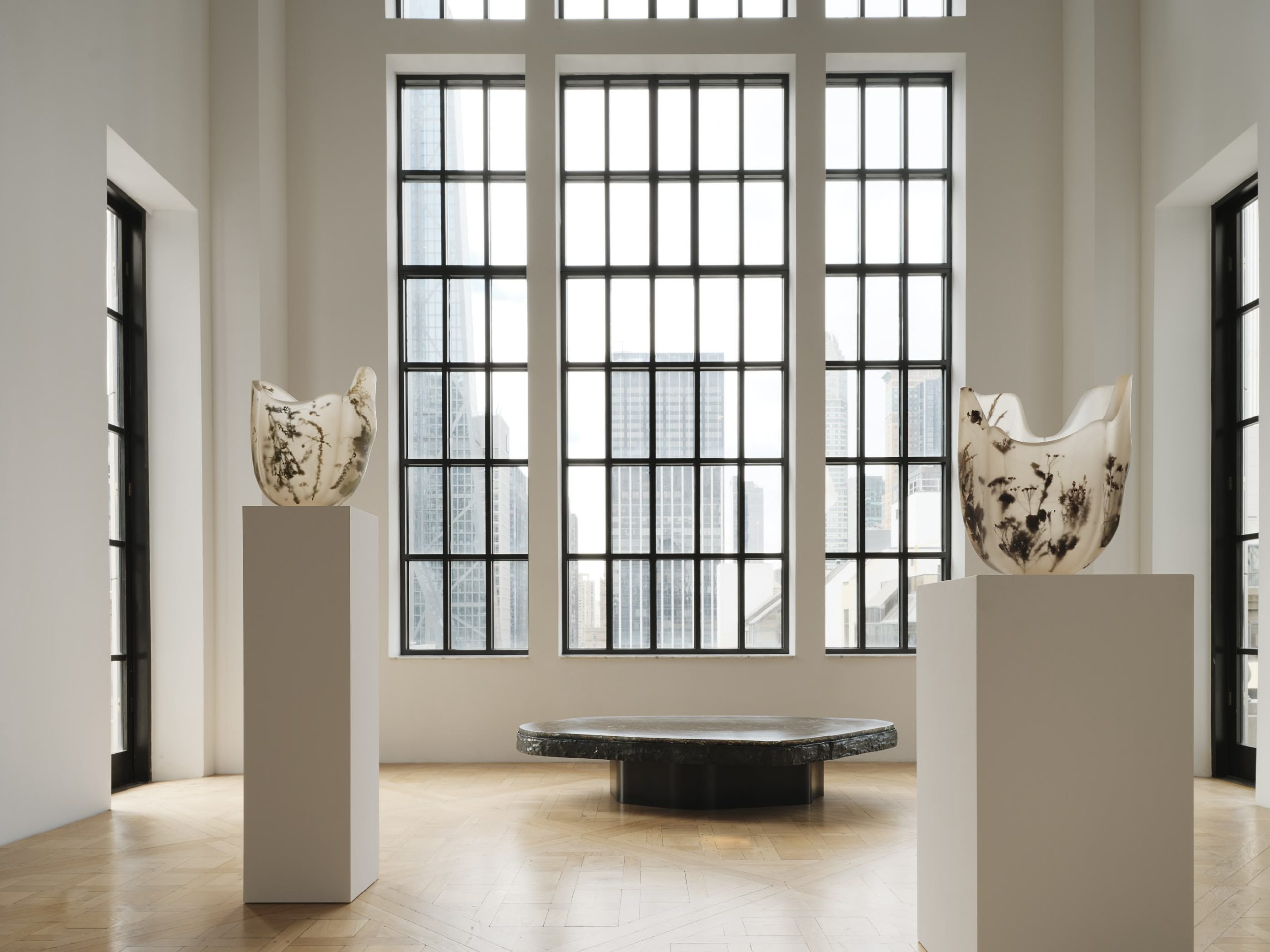
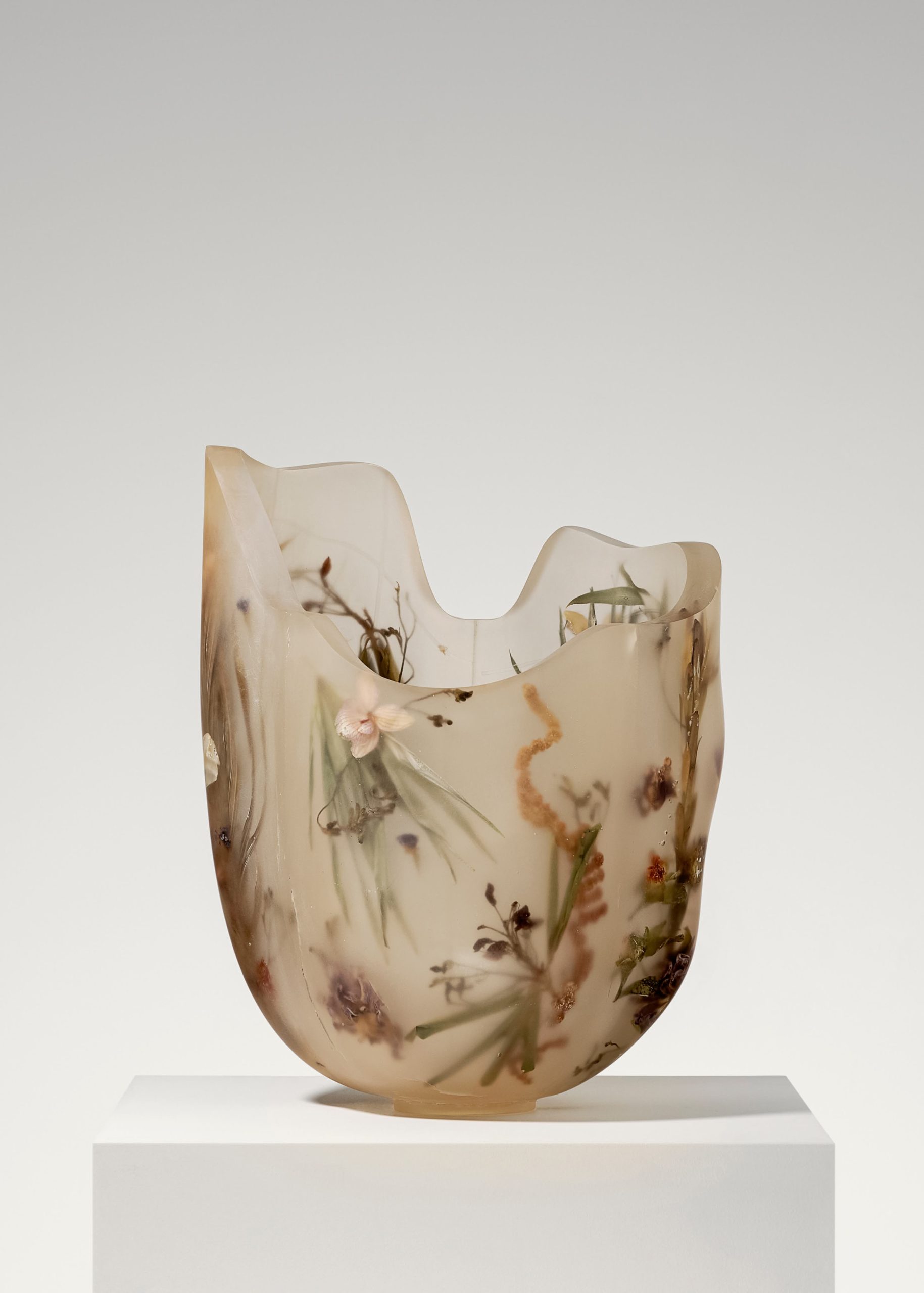
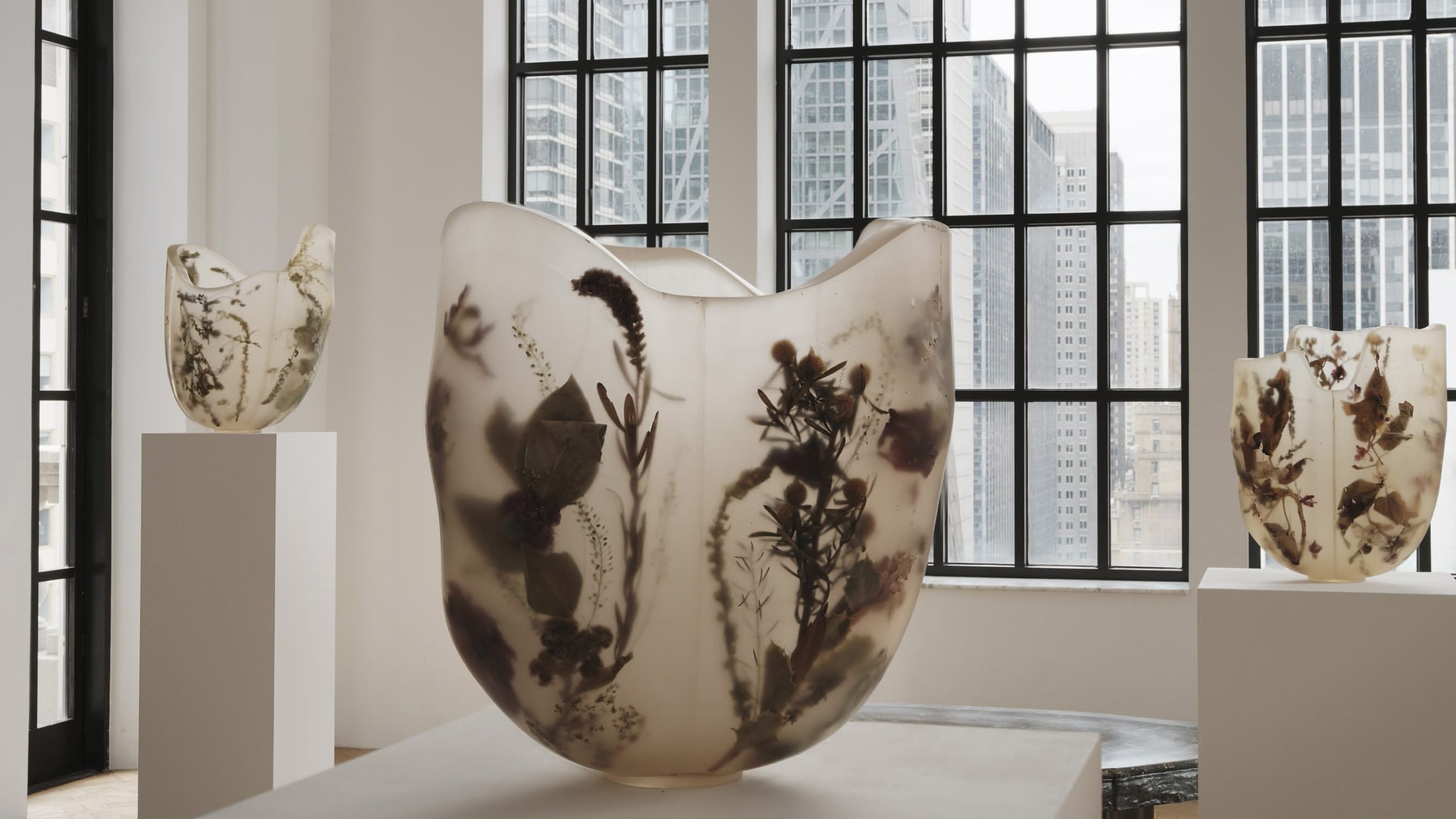
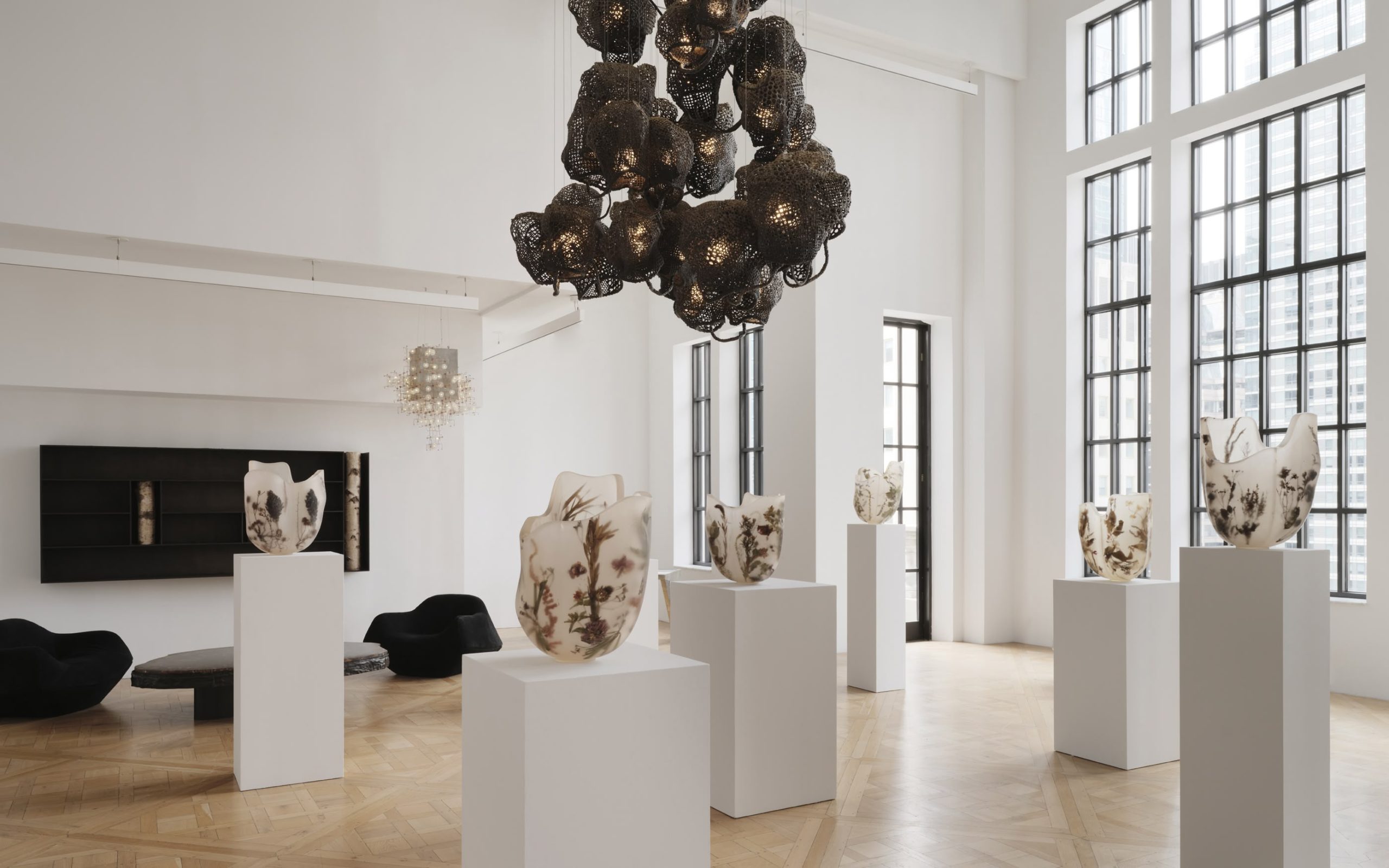
Presented at the Carpenters Workshop Gallery in New York, Vas Florum: Resina Botanica elaborates on the evocative power of plants by representing memories of people, places, and the feelings that emerge from those encounters. Unique floral compositions develop into an ever-evolving, spatially arranged contemporary herbarium. 
The pieces presented in New York conjure individual memories from Marcin’s lived history while also stimulating universal, collective memory.
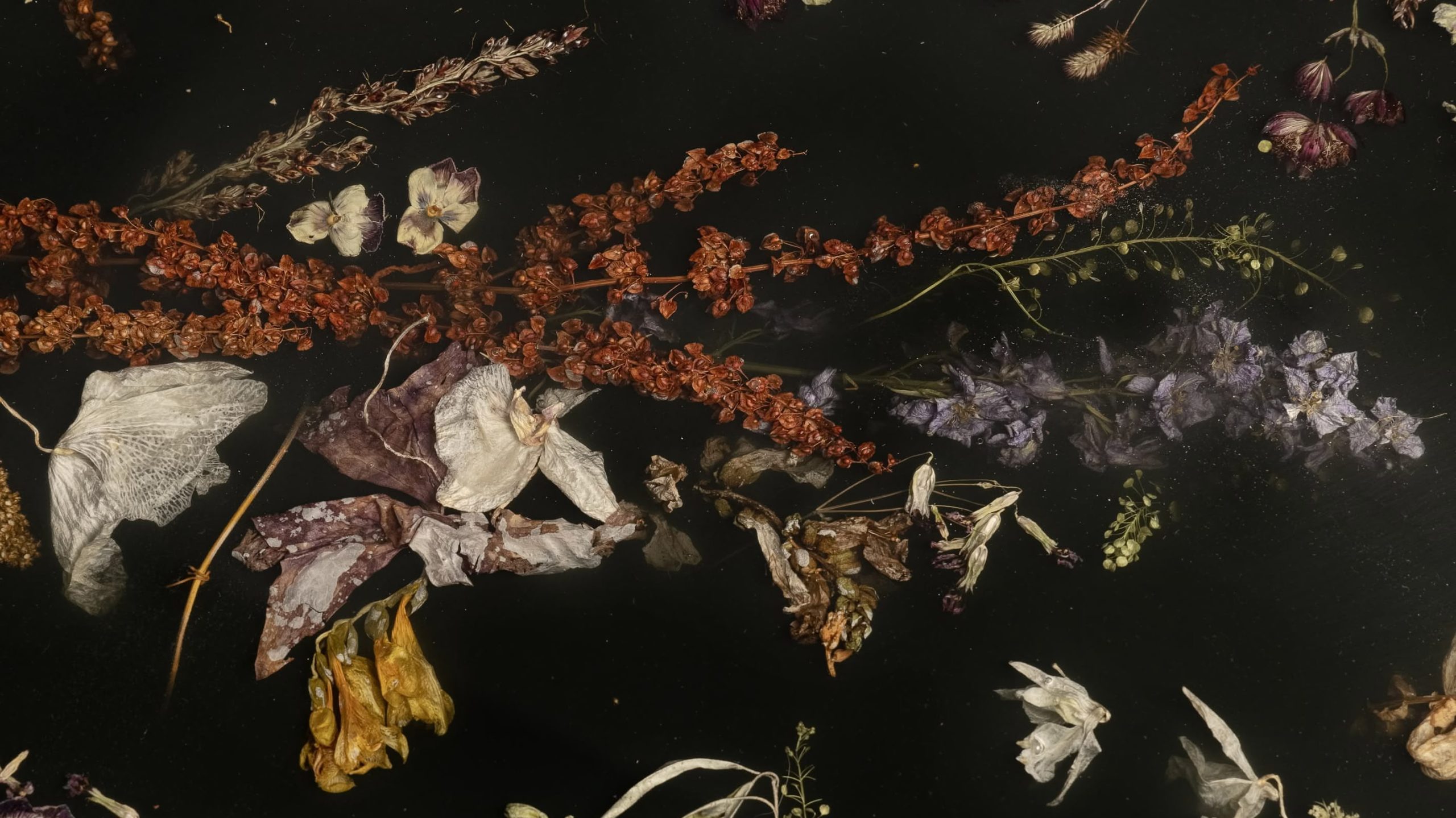
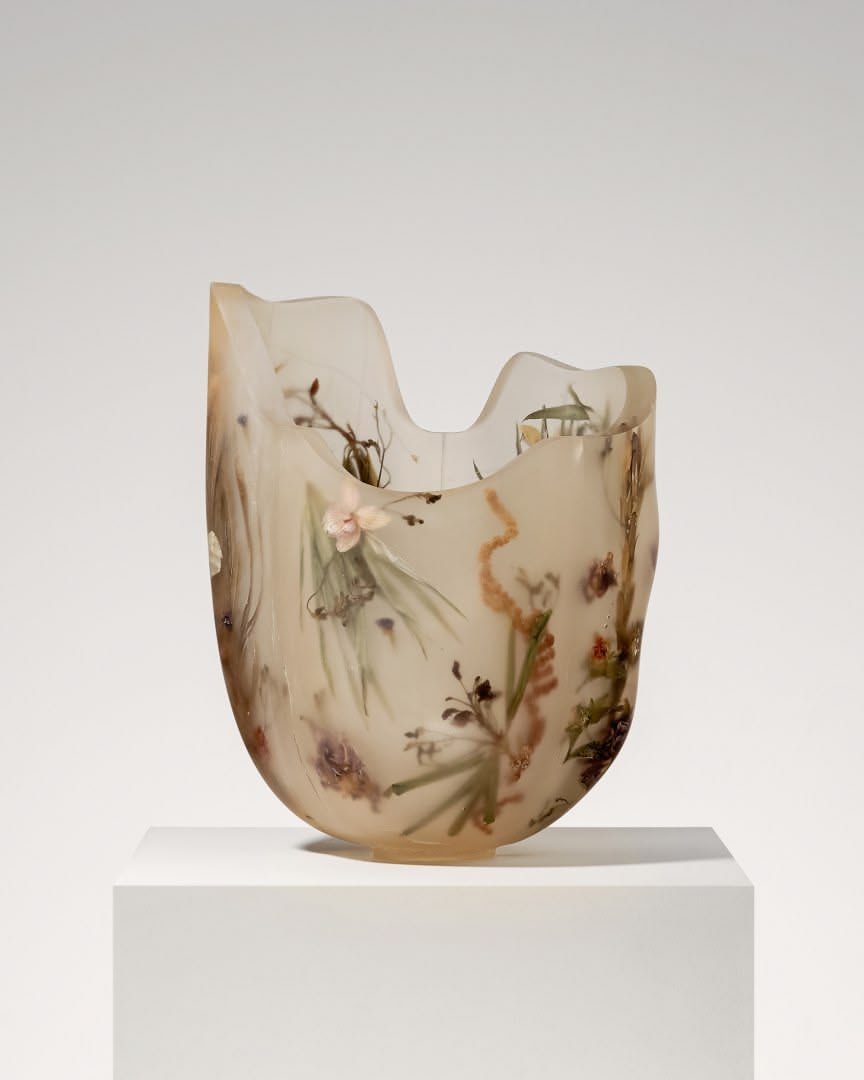
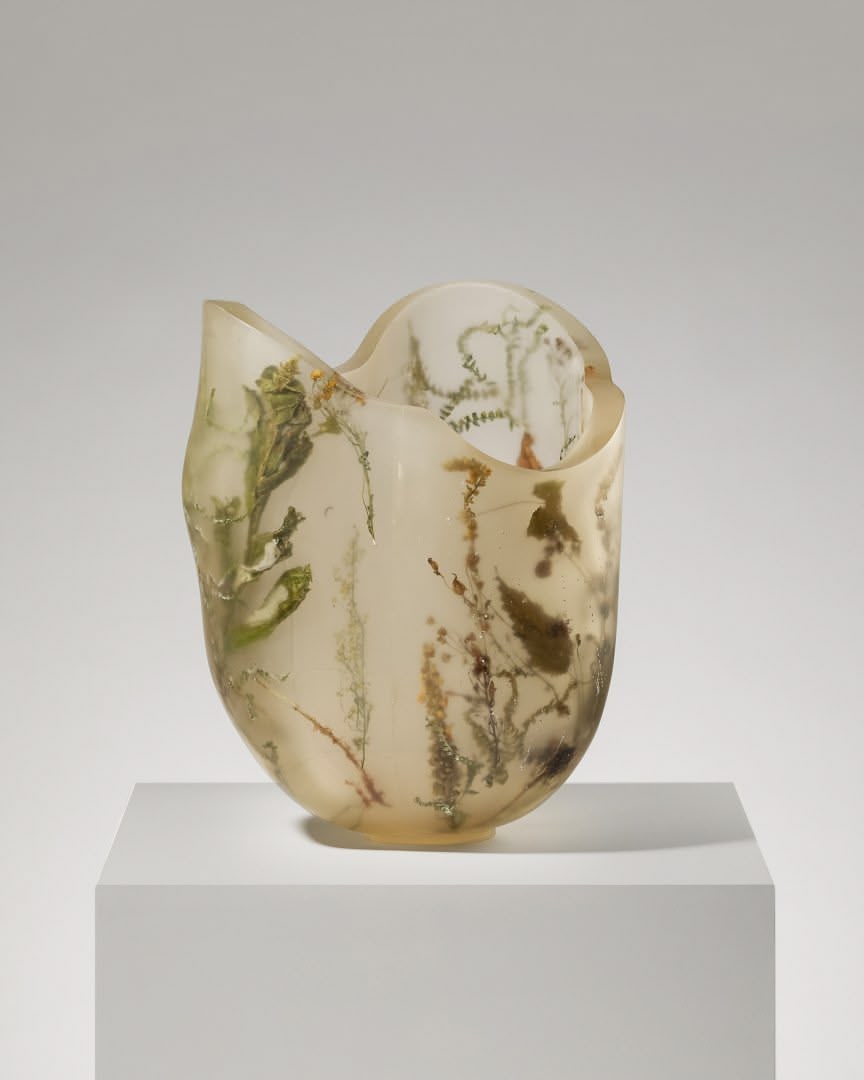
In each artwork, flowers are embedded in the body of the form itself, and the species chosen range from those that have been artificially bred for commercial, aesthetic purposes, to common ‘weeds’ that are often overlooked yet can thrive in the most inhospitable conditions.
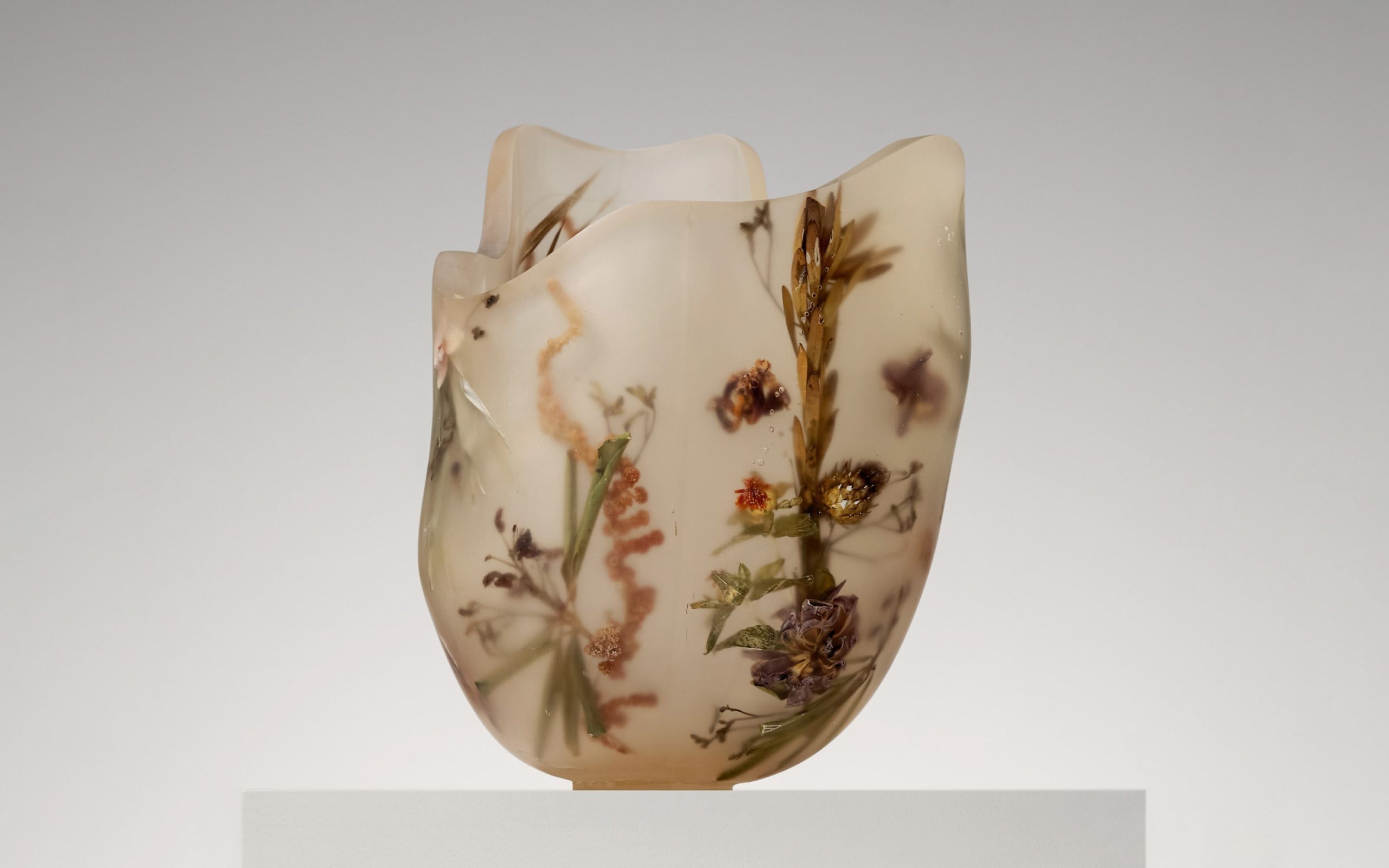
Using natural waste material is particularly important in this context, as it anchors the pieces in the continuity of our practice. By reclaiming plants that have fulfilled their commercial use, manipulating and enhancing them through various techniques and processes developed over the years in our studio, we extend their lifecycle and give their ephemerality renewed purpose. Conceived as ‘time capsules,’ each Vas Florum sculpture ontologically considers the concept of the vessel and its relationship with flowers and their display. Furthermore, opening up towards the vernacular allows us to gain a fresh perspective on the environments we surround ourselves with.
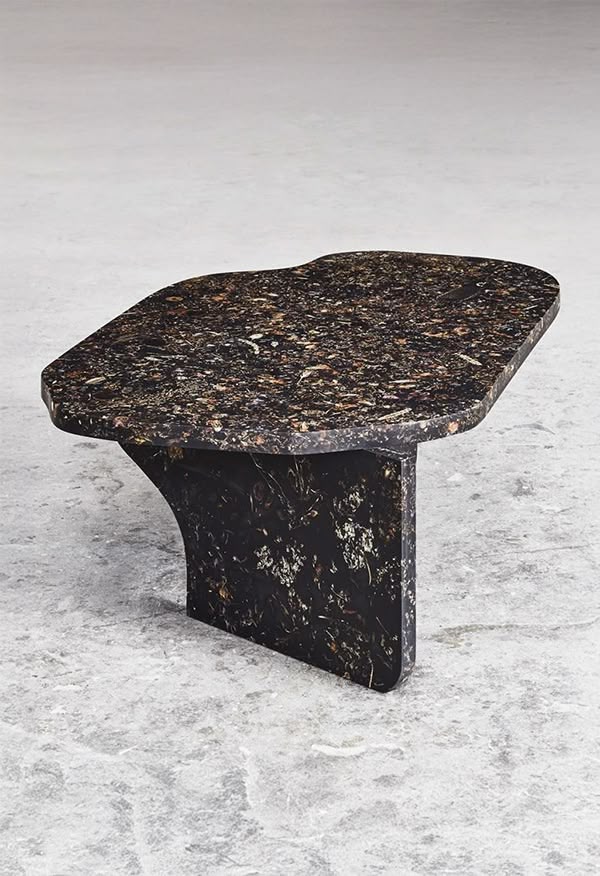
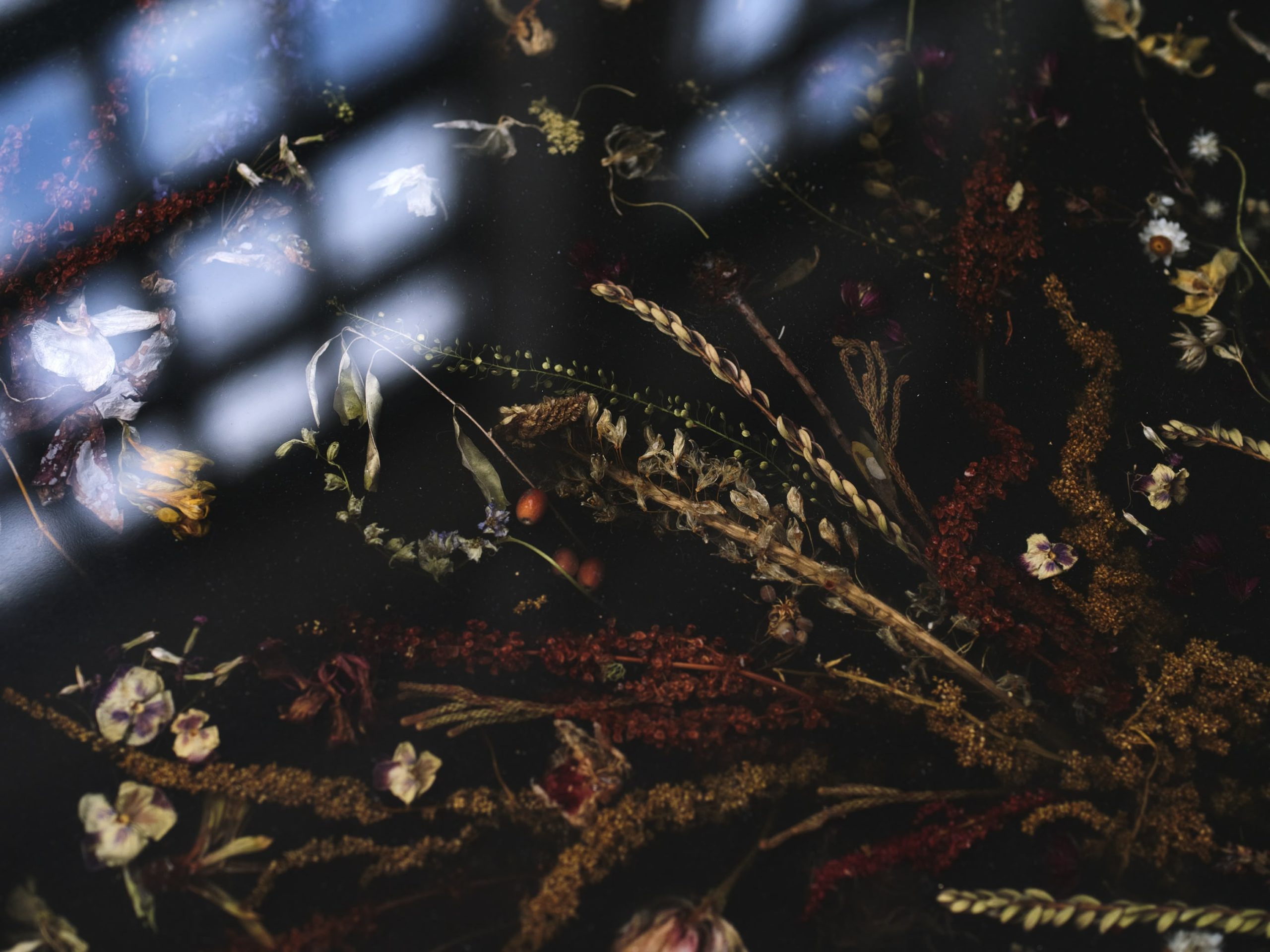
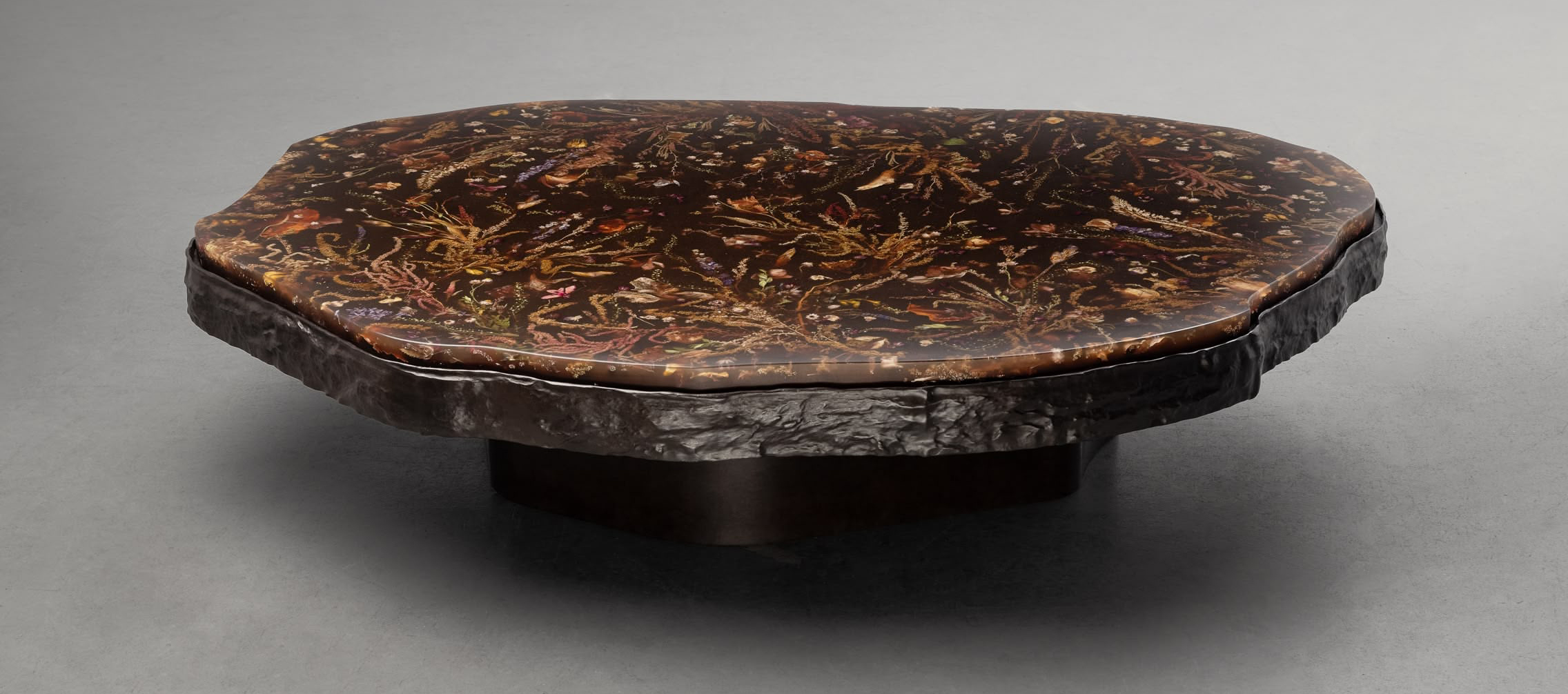
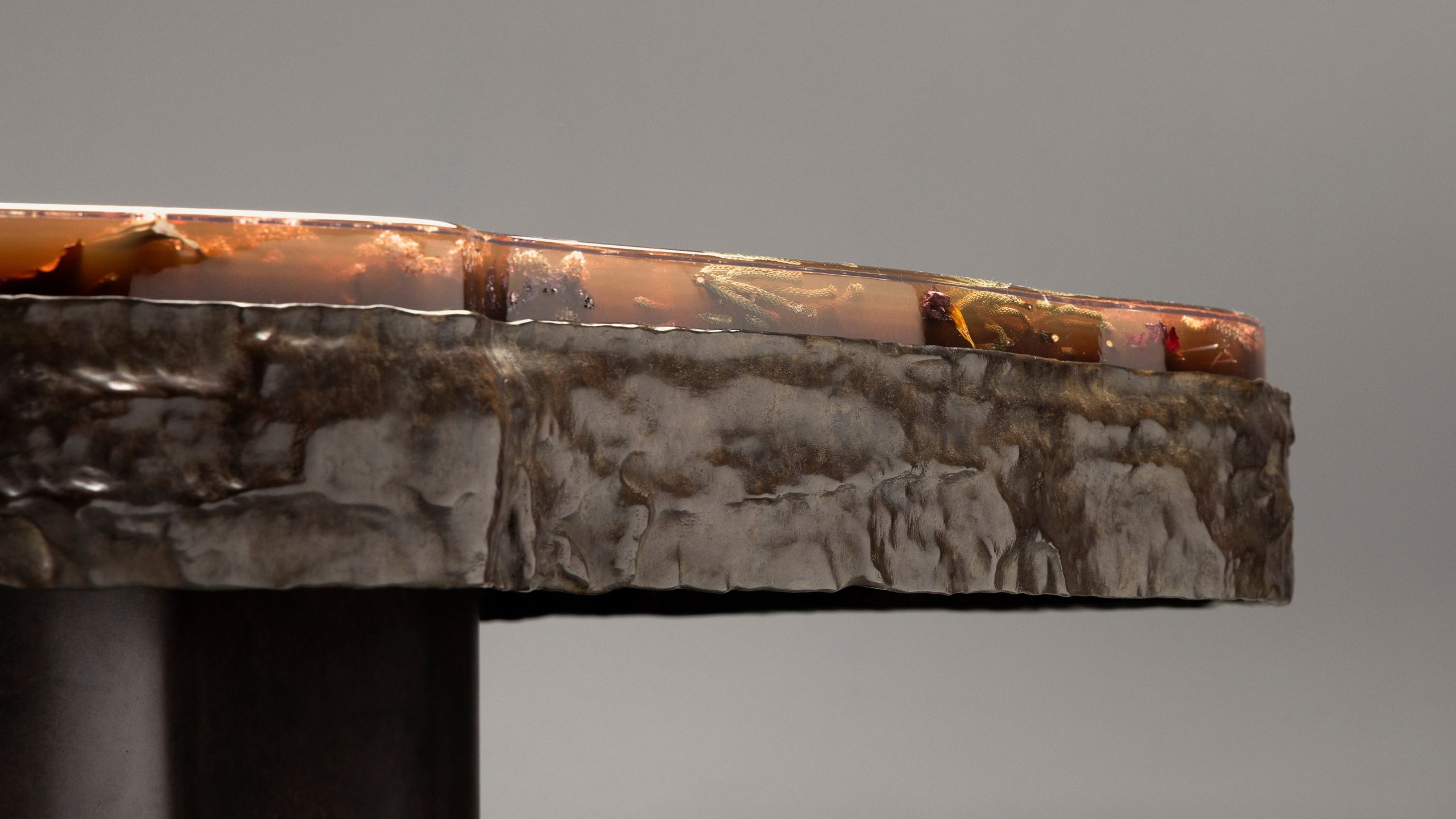
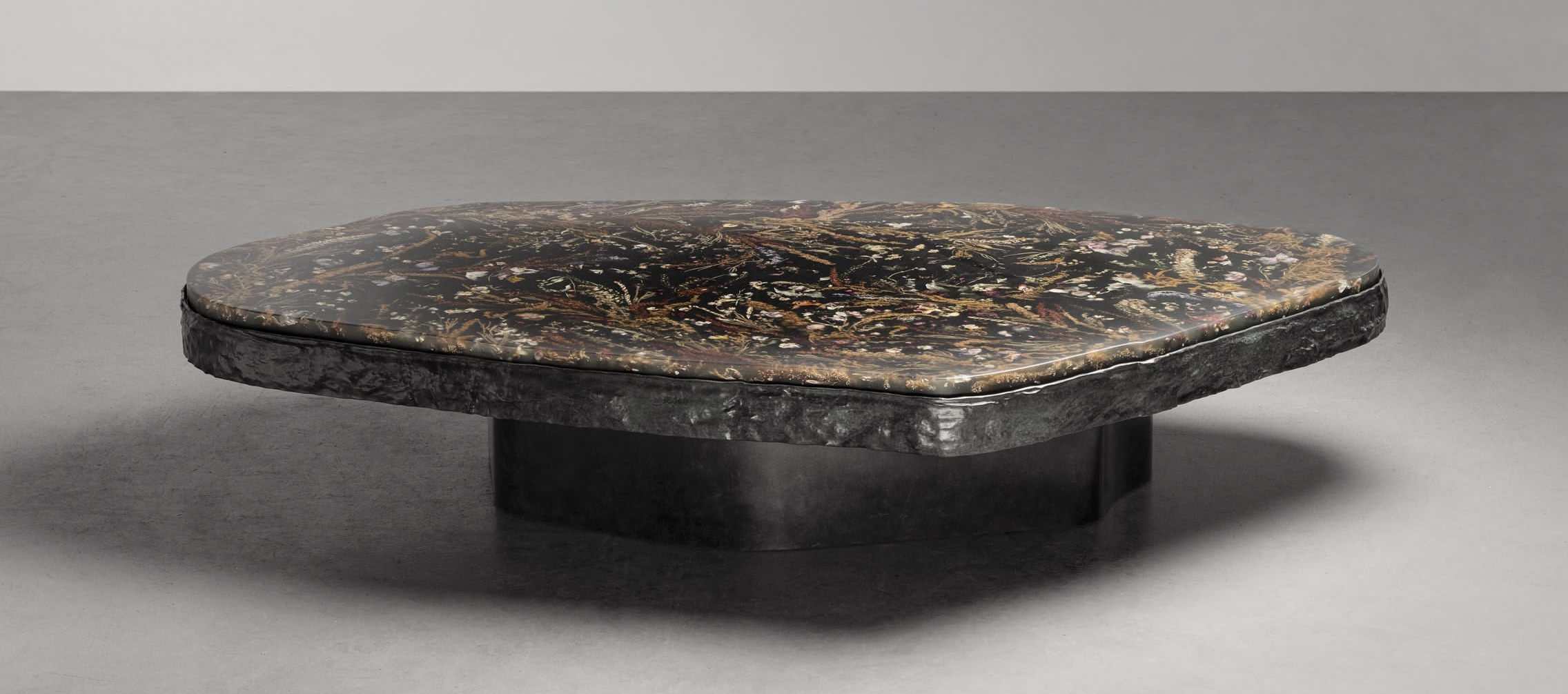
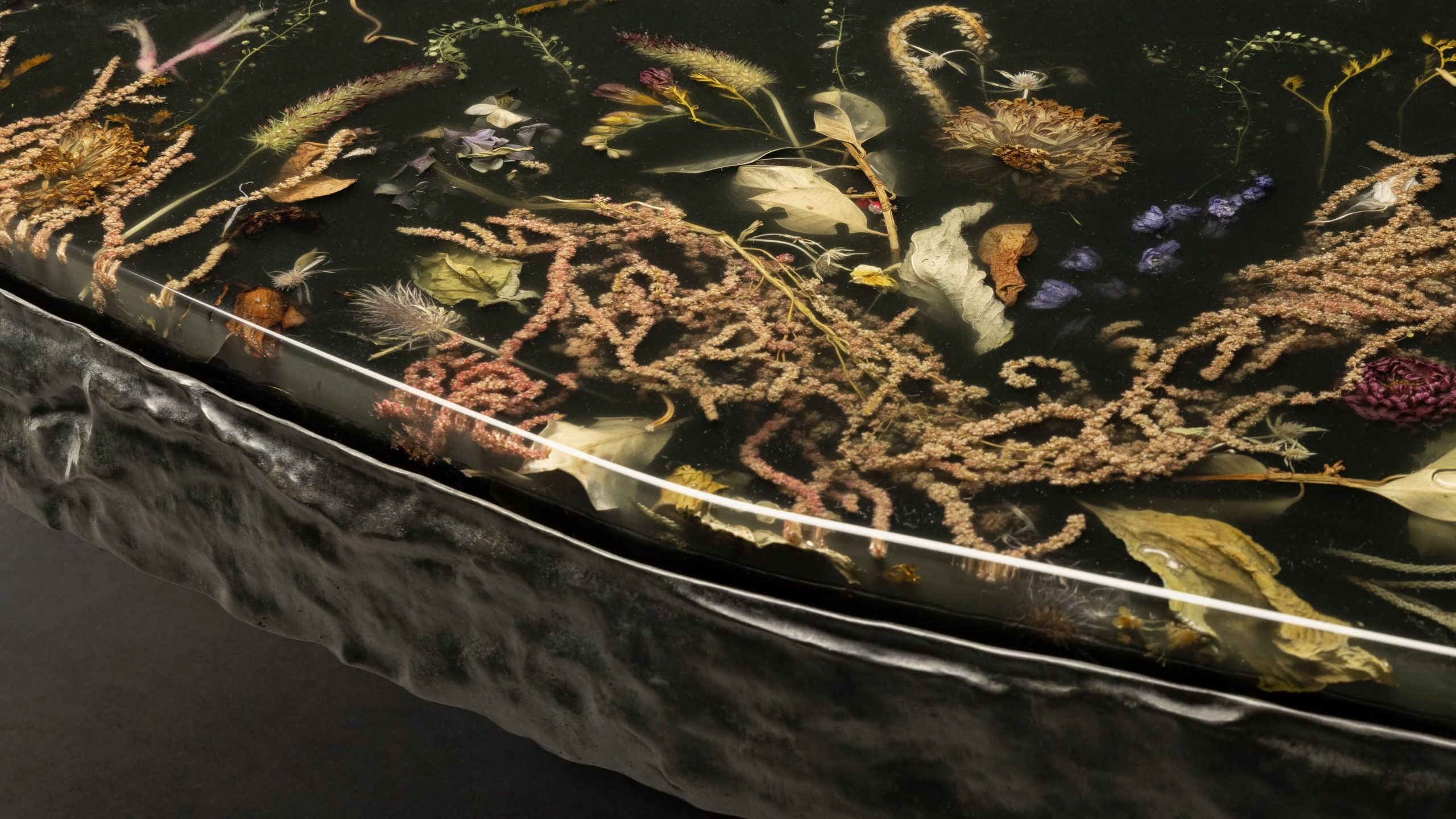
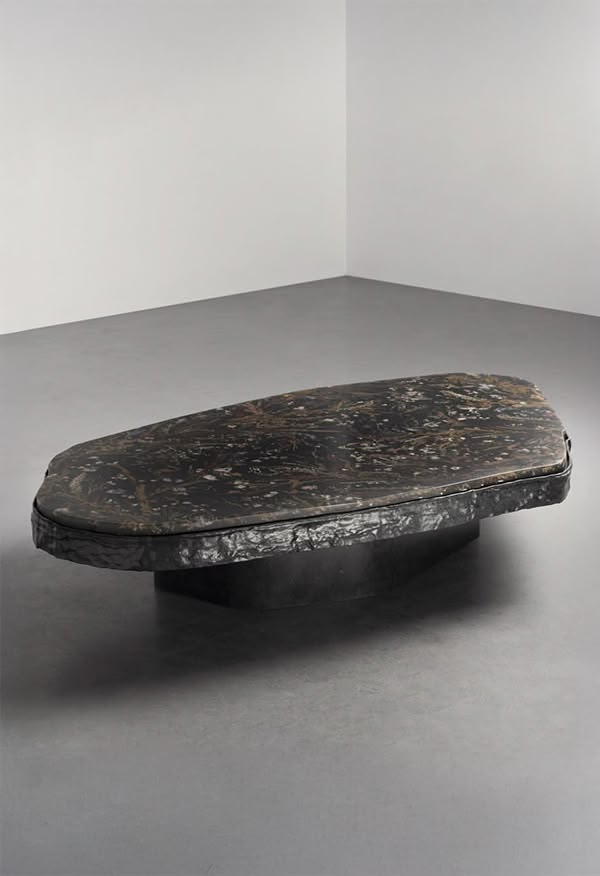
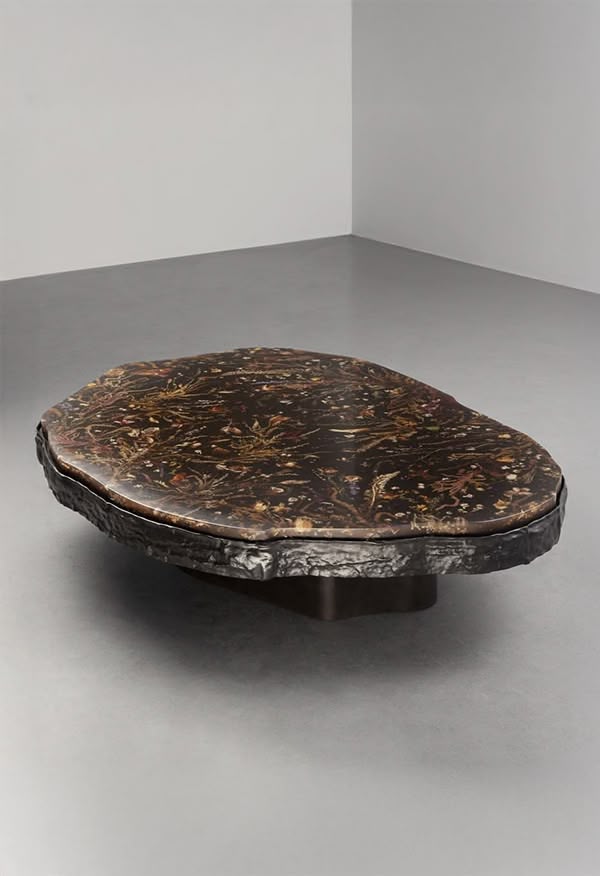
The exhibition highlights a new body of work developed exclusively for the show at Carpenters Workshop Gallery in New York, including Resina Botanica Coffee Tables, whose shapes, framed with cast patinated bronze, are inspired by the organic contours of stone slabs found in the riverbed of the Solina River in Bieszczady in Southern Poland. Juxtaposed with unique floral compositions cast in dark green and rust-hued resin, the pieces, evoking whirlpools of water, act as portals into the immense influence nature has on our creations, offering a glimpse into the alchemy of materials and the creative process behind them.

Works included

SHOW ALL
  • CWG2317

    Resina Botanica
    Selected and processed real flowers and leaves, resin, patinated bronze.
    cmH: 38 W: 200 D: 116
    inH: 15 W: 78.7 D: 45.6
  • CWG2318

    Resina Botanica
    Selected and processed real flowers and leaves, resin, patinated bronze.
    cmH: 38 W: 165 D: 5
    inH: 15 W: 65 D: 45.63
  • Vas Florum: 21 (Hortus Exoticus)

    Selected and processed real flowers and leaves, resin.
    cmH: 51.5 W: 41 D: 31
    inH: 20.3 W: 16.1 D: 12.2
  • Vas Florum: 17 (Aere Involutum)

    Selected and processed real flowers and leaves, resin, zinc, bronze.
    cmH: 46 W: 42 D: 38
    inH: 18.13 W: 16.13 D: 15
  • Vas Florum: 07 (Incubatorium Botanicum)

    Selected and processed real flowers and leaves, resin.
    cmH: 47 W: 39 D: 33
    inH: 18.5 W: 15.35 D: 13
  • Vas Florum: 11 (Avia Stachowicz)

    Selected and processed real flowers and leaves, resin.
    cmH: 51.5 W: 40 D: 31
    inH: 20.3 W: 15.75 D: 12.2